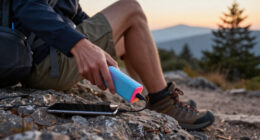
Overcoming travel anxiety is all about gradually shifting your mindset and building confidence step by step. By practicing mindfulness techniques, such as deep breaths and focusing on senses, you can stay grounded in the moment. Start with small trips and celebrate each success, knowing setbacks are part of the process. With patience and persistence, your fear of exploring new places turns into a sense of adventure and personal growth. Keep going—there’s so much more you can discover.
Key Takeaways
- Implement mindfulness techniques like deep breathing and sensory focus to stay present and reduce travel-related anxiety.
- Use gradual exposure by starting with short trips to build confidence and desensitize fears.
- Celebrate small progress and practice patience to foster a sense of achievement and resilience.
- Recognize anxiety as normal, reframing it as a sign of growth rather than a barrier.
- Consistent effort and mindset shifts transform travel from stressful to empowering, leading to personal growth and adventure.

Travel anxiety can be overwhelming, but you don’t have to let it hold you back. Many people feel nervous about leaving their comfort zones, whether it’s flying, steering through new cities, or managing unfamiliar routines. The good news is that you can take practical steps to ease these fears and build confidence. One effective approach involves using mindfulness techniques, which help you stay grounded and present in the moment. When anxiety starts to spike, take a few deep breaths, focus on your senses, and observe your thoughts without judgment. This practice can reduce the intensity of anxious feelings and bring your attention away from worst-case scenarios. Over time, incorporating mindfulness into your travel preparations can make the experience less intimidating and more manageable.
Another key strategy is gradual exposure. Instead of jumping straight into a long flight or a crowded destination, start small. Begin by visiting nearby places or taking short trips that allow you to practice your coping skills in a controlled environment. For example, if your anxiety is triggered by flying, consider taking a short flight or even a simulated flight experience. If crowded markets make you nervous, try visiting during off-peak hours. Repeating these smaller exposures can desensitize your response and build resilience. Over several attempts, you’ll notice that your anxiety diminishes, and you become more comfortable with travel-related stressors. The key is consistency—each small step prepares you for the next, creating a sense of achievement and confidence.
As you implement these techniques, remember that setbacks are normal. Some days will be easier than others, and that’s okay. Be patient with yourself and recognize your progress, no matter how small. Incorporating mindfulness techniques with contrasting techniques such as gradual exposure offers a structured way to confront your fears without feeling overwhelmed. It’s about taking control, one step at a time. Before long, what once seemed intimidating will become familiar, and travel will feel less like a source of anxiety and more like an opportunity for growth and discovery. With persistence, you’ll gradually rewrite your story around travel, transforming anxiety into confidence and adventure.

Allura & Arcia 52 Stress Less & Self Care Cards – Mindfulness & Meditation Exercises – Anxiety Relief & Relaxation
- Number of Exercises: 52 mindfulness and relaxation exercises
- Designed For: All ages and settings
- Expert Developed: Created by therapists and yogis
As an affiliate, we earn on qualifying purchases.
As an affiliate, we earn on qualifying purchases.
Frequently Asked Questions
Can Travel Anxiety Affect Physical Health?
Travel anxiety can indeed affect your physical health by triggering the stress response, which impacts your mind-body connection. When you’re anxious, your body releases stress hormones, leading to symptoms like headaches, muscle tension, or fatigue. Using stress management techniques, such as deep breathing or mindfulness, helps ease anxiety and supports your physical well-being. Staying relaxed during travel maintains your health and makes your journey more enjoyable.
Are There Specific Medications That Help With Travel Anxiety?
Yes, there are specific medication options that can assist with travel anxiety. Anxiety relief medications like benzodiazepines (such as diazepam or lorazepam) or antidepressants (like SSRIs) are commonly prescribed. You should consult a healthcare professional to determine the best medication options for your needs. These medications can provide relief during travel, but they should be used responsibly and under medical supervision to ensure safety and effectiveness.
How Long Does It Typically Take to Overcome Travel Anxiety?
Imagine stepping onto a plane with a steady heartbeat as your anchor. Typically, it takes weeks to months of consistent practice with coping strategies and gradual exposure to reduce travel anxiety. You might notice progress within a few sessions, but full confidence often develops over time. Stay patient, celebrate small victories, and trust that each step forward brings you closer to enjoying travel without fear.
Is Therapy Effective for Overcoming Travel-Related Fears?
Yes, therapy is effective for overcoming travel-related fears. Behavioral therapy, especially cognitive-behavioral therapy (CBT), helps you identify and change negative thought patterns. Your therapist will teach you coping strategies to manage anxiety symptoms, gradually exposing you to travel situations. With consistent effort, many find significant relief, gaining confidence in travel. The process varies, but therapy offers practical tools to reduce fears and make traveling enjoyable again.
Can Travel Anxiety Recur After Initial Recovery?
Think of your travel anxiety as a garden; even after successful weeding, weeds can reappear. Yes, travel anxiety can recur if triggers like stressful situations or certain environments cause a recurrence. To prevent this, keep using your coping strategies—deep breathing, positive visualization, and gradual exposure. Staying vigilant and practicing these techniques guarantees you can manage any resurgence, helping you maintain your confidence and enjoy future travels fully.
Conclusion
Now that you’ve taken steps to overcome your travel anxiety, think about the adventures that await. Remember, each trip is a chance to grow and discover new parts of yourself. So, why not embrace the unknown with confidence and curiosity? You’ve already proven you can face your fears—what’s stopping you from exploring the world with a new sense of freedom? Your next journey is just around the corner, ready to transform you once again.