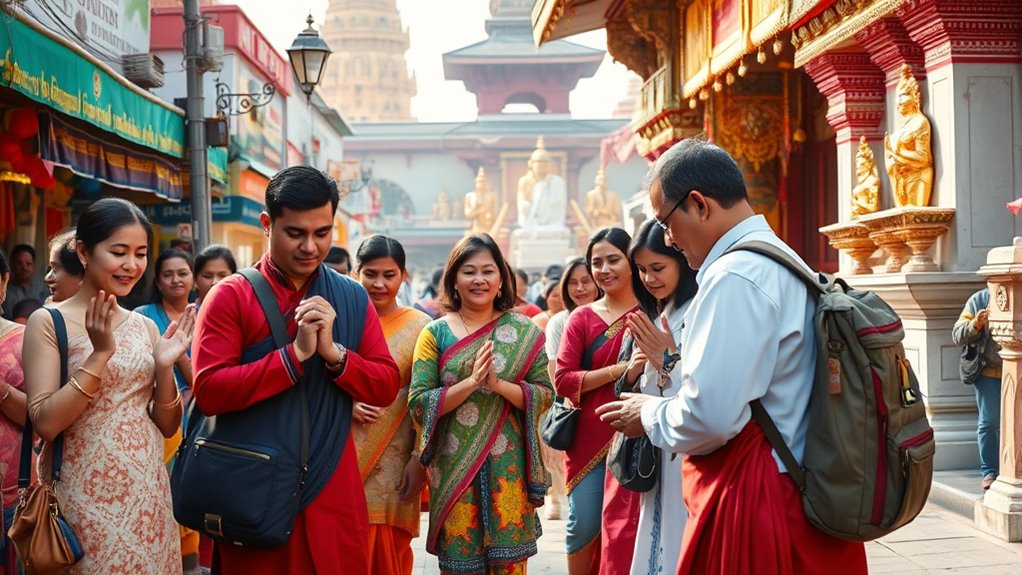

When engaging with cultures around the world, remember to greet respectfully—bow in Japan, shake hands in the US, or kiss on the cheek in the Middle East. Pay attention to body language and personal space norms, like avoiding prolonged eye contact in some places or embracing close proximity in Latin America. Respect local customs such as removing shoes indoors or gift-giving practices. Being aware of do’s and don’ts helps you build genuine connections and avoid mishaps—keep exploring to learn more.
Key Takeaways
- Research and observe local greeting customs, such as handshakes, bows, or cheek kisses, to show cultural sensitivity.
- Respect personal space and body language norms, avoiding intrusive gestures or inappropriate eye contact.
- Follow specific practices like removing shoes indoors or gift-giving etiquette to demonstrate respect.
- Avoid assuming your home country’s practices apply; adapt behaviors to local social customs.
- Approach cultural differences with curiosity, humility, and openness to foster genuine connections.
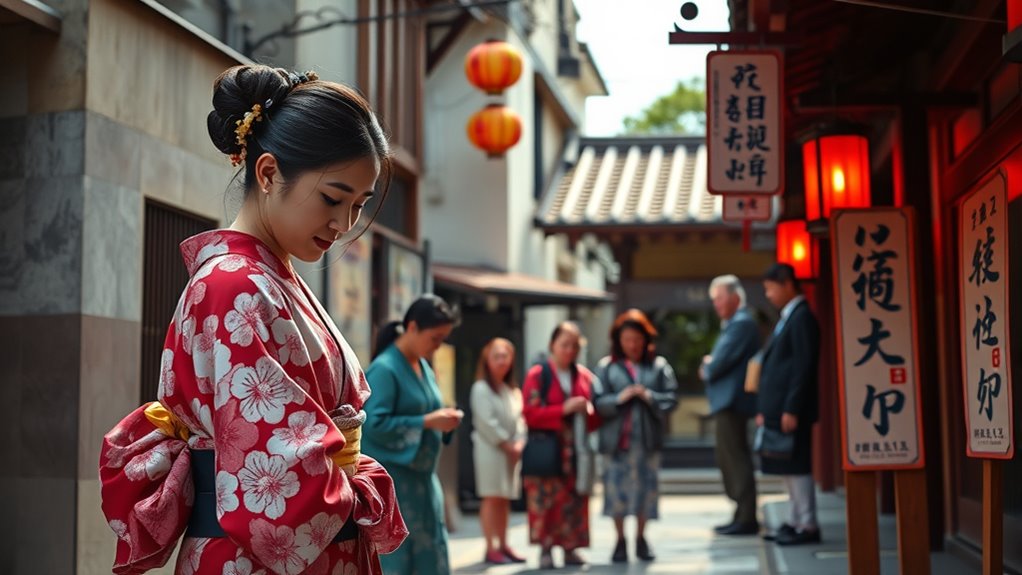
Cultural etiquette shapes how people interact and communicate across different societies, influencing first impressions and ongoing relationships. When you travel or engage with diverse communities, understanding these social customs helps you navigate interactions smoothly and respectfully. One of the most noticeable aspects of etiquette is greeting protocols. How you greet someone varies widely; in Japan, a bow is customary, showing respect, while in many Western countries, a firm handshake or a simple smile suffices. Recognizing these differences prevents awkward moments and demonstrates cultural sensitivity. For example, in parts of the Middle East, it’s common to greet with a kiss on the cheek, whereas in some Asian countries, a slight nod or bow is more appropriate. Paying attention to these nuances helps you connect authentically and avoid unintentional offense.
Understanding greeting customs across cultures fosters respect and authentic connections worldwide.
Mastering greeting customs is essential because it sets the tone for the entire interaction. When you meet someone for the first time, observe their body language and follow their lead. If you’re unsure, a polite smile combined with a respectful verbal greeting works almost universally. Remember that gestures, eye contact, and personal space norms also vary. In Latin America, close physical proximity and warm embraces are common, while in Nordic countries, personal space is valued, and a more reserved approach is preferred. Being adaptable and observant allows you to adjust your behavior accordingly, making your interactions more genuine.
In addition to greetings, understanding other social customs can enhance your experience. For example, in many Asian cultures, removing shoes before entering a home is expected, showing respect and cleanliness. In contrast, in Australia or the United States, shoes are usually kept on. Being aware of such practices prevents accidental disrespect. Similarly, gift-giving customs differ; some cultures view gifts as a sign of appreciation, while others see them as potentially creating obligation. Knowing when and how to give or receive gifts can strengthen relationships and foster goodwill.
Avoiding common pitfalls is fundamental. Don’t assume that what works in your home country applies elsewhere. For instance, direct eye contact can signify confidence in some cultures but may be considered rude or confrontational in others. Similarly, tipping practices vary; tipping generously in the U.S. is expected, but in Japan, it can be seen as an insult. These cultural differences highlight the importance of research and observation. By being respectful of local customs and adapting your behavior, you’ll leave positive impressions and build meaningful connections wherever you go. So, approach each new culture with curiosity and humility—your open-mindedness will be your best guide in mastering global etiquette.

Navigating Japan: A Comprehensive Guide to Etiquette and Cultural Norms: Unlock the Secrets to Seamless Cultural Immersion (The Complete Japan … Library: Etiquette, Arts & Traditions)
As an affiliate, we earn on qualifying purchases.
As an affiliate, we earn on qualifying purchases.
Frequently Asked Questions
How Should I Dress for Religious Sites in Different Countries?
When visiting religious sites, you should dress modestly by following traditional head coverings and modest clothing guidelines. Bring a scarf or shawl if needed to cover your shoulders or head, especially in places like mosques or temples. Avoid tight or revealing clothing, and opt for long pants or skirts. Respect local customs by researching specific dress requirements beforehand, ensuring you’re appropriately dressed and show reverence during your visit.
Are There Specific Gestures That Are Universally Offensive?
Like a sharp blade, offensive gestures cut across cultures without warning. You should avoid gestures like the thumbs-up in parts of the Middle East, the beckoning finger in Southeast Asia, or pointing with your feet in many countries. These actions often violate cultural taboos and are considered highly offensive. Always research local customs and respect non-verbal cues, as what’s harmless in one place can cause serious misunderstandings elsewhere.
What Is the Appropriate Way to Give and Receive Gifts Abroad?
When giving and receiving gifts abroad, follow local gift giving customs closely. You should wrap your gift according to the gift wrapping etiquette of that culture, often using specific colors or materials. When presenting a gift, do so with both hands and avoid rushing. Be attentive to whether the recipient opens the gift immediately or later, as customs vary. Respecting these traditions shows your appreciation and cultural awareness.
How Do I Politely Decline Offers or Invitations?
In a world full of gracious gestures, you might feel like a knight in shining armor when politely declining offers or invitations. To do so respectfully, express gratitude for the invite, then clearly state your reasons without over-explaining. Use polite refusals like “Thank you, but I can’t make it,” showing appreciation. Remember, respectful declines help maintain goodwill without offending, making your interactions smooth and considerate across cultures.
What Should I Know About Table Manners in Various Cultures?
When it comes to table manners, you should respect different dining customs and table etiquette across cultures. In some places, use your right hand for eating or passing dishes, while in others, it’s polite to wait until everyone is served before starting. Be mindful of gestures like stacking utensils or resting elbows, as these can be considered rude. Observing local cues shows your respect and helps you avoid cultural faux pas.
Conclusion
As you travel the world, picture yourself walking through vibrant markets and quiet temples, each step guided by respect and understanding. Embrace the colorful tapestry of customs, where a simple bow or a warm smile speaks volumes. Remember, every gesture is a thread weaving you into a richer cultural fabric. By honoring local etiquette, you create connections that linger like the gentle hum of a distant melody, making your journey truly unforgettable.