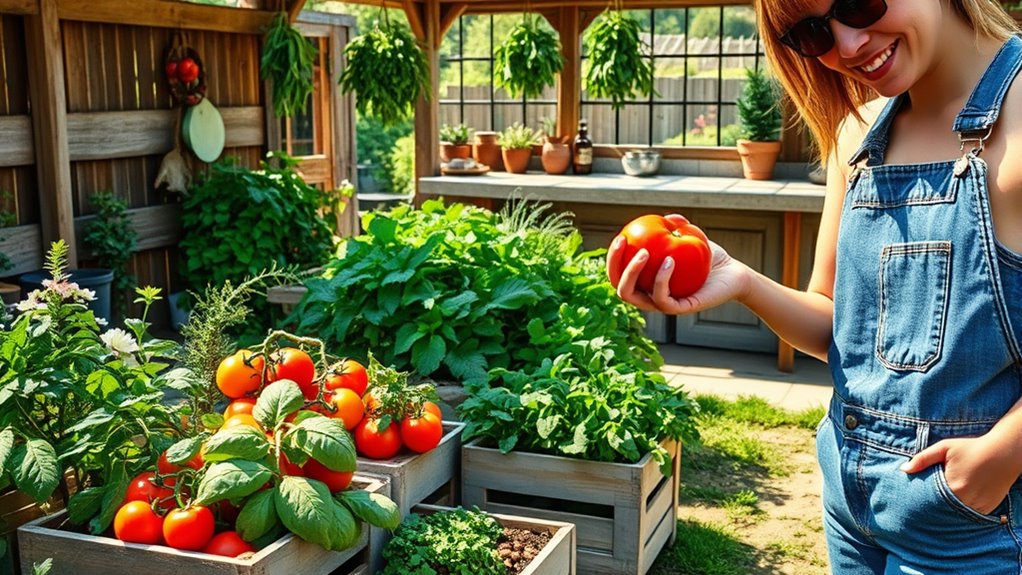

Farm-to-guest experiences let you grow your own ingredients and cook authentic, locally sourced dishes. You’ll engage directly with local farms, learning sustainable farming methods, and participating in planting, harvesting, and preparing food. This hands-on approach deepens your connection to regional food traditions, promotes eco-friendly practices, and inspires mindful eating. If you continue exploring, you’ll uncover how these immersive experiences support farmers, celebrate culinary heritage, and foster a meaningful relationship with food and the environment.
Key Takeaways
- Participants engage directly with local farms by planting, tending, and harvesting their own ingredients.
- Hands-on cooking classes use fresh, locally sourced produce to teach traditional and seasonal recipes.
- Experiences emphasize sustainable farming practices like organic cultivation, soil health, and water conservation.
- Guests gain insights into food origins, supply chains, and the cultural significance of regional cuisine.
- These activities foster responsible eating, environmental awareness, and support for local farmers and eco-friendly methods.
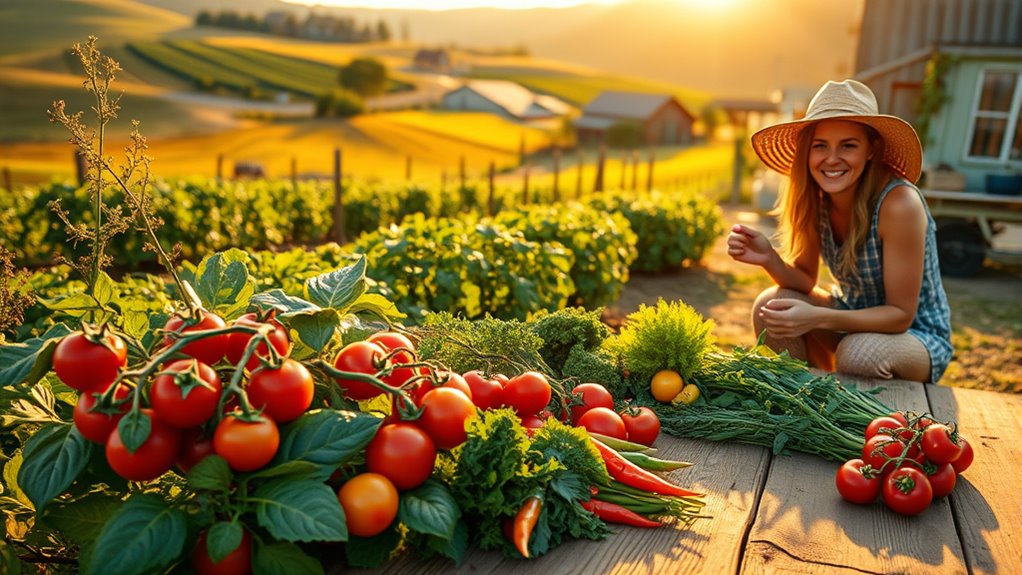
Farm-to-guest experiences are transforming the way travelers connect with local agriculture and authentic cuisine. When you participate in growing and cooking your own food, you’re not just a passive eater—you become part of a sustainable farming movement that emphasizes eco-friendly practices and responsible resource use. These experiences put you directly in touch with the land, allowing you to see firsthand how sustainable farming methods nurture the environment while producing fresh, healthy ingredients. By engaging in the process, you gain a deeper appreciation for the effort that goes into your food and develop a more meaningful connection to the local community.
Your participation begins with stepping onto farms that prioritize sustainable farming techniques. You might help plant seeds, tend to vegetable patches, or harvest ripe produce—all while learning about organic practices, soil health, and water conservation. This active involvement not only makes the experience memorable but also educates you on how sustainable farming supports biodiversity and reduces carbon footprints. As you work alongside farmers who are committed to eco-conscious methods, you see how responsible agriculture sustains local ecosystems and ensures future harvests. This hands-on approach transforms your perspective from simply consuming to actively contributing to sustainable food systems.
Once you’ve harvested your bounty, the adventure continues into the kitchen. Many farm-to-guest programs include cooking classes using the ingredients you’ve picked. This is your chance to get creative, learn traditional recipes, and understand the significance of seasonal, locally sourced ingredients. You’re encouraged to participate in every step, from chopping vegetables to seasoning dishes, fostering a sense of ownership and pride in your culinary creation. These cooking sessions often involve local chefs or farmers who share stories about their food traditions and the importance of maintaining culinary heritage. Through this process, you get to savor dishes that are not only fresh but also rooted in the community’s cultural fabric.
The beauty of these experiences lies in their authenticity and educational value. You walk away with new skills, a better understanding of sustainable farming practices, and a genuine appreciation for the farm-to-table journey. By participating directly in growing and cooking your own food, you help support small-scale farmers and promote environmentally friendly practices. It’s a rewarding way to travel—one that enriches your connection to the land, celebrates local food traditions, and encourages more mindful eating habits. Ultimately, farm-to-guest experiences empower you to become a conscious consumer, making a positive impact on the environment while enjoying the fruits of your labor. Additionally, these experiences often highlight the importance of sustainable farming methods, fostering awareness of eco-friendly practices.
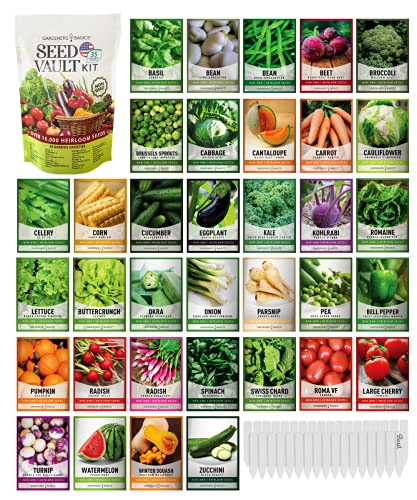
Gardeners Basics Survival Vegetable Seeds Garden Kit Over 16,000 Seeds Non-GMO and Heirloom, Great for Emergency Bugout Survival Gear 35 Varieties Seeds for Planting Vegetables 35 Free Plant Markers
ASSORTMENT – 35 easy to grow vegetable varieties and over 16,000 seeds. All non-GMO and heirloom varieties. Our…
As an affiliate, we earn on qualifying purchases.
As an affiliate, we earn on qualifying purchases.
Frequently Asked Questions
What Are the Best Crops for Beginners to Grow at Home?
For beginners, easy-to-grow crops like lettuce, radishes, and herbs are perfect. When garden planning, choose plants that thrive in your climate and soil. Practice crop rotation to keep your soil healthy and prevent pests. These crops grow quickly and require minimal maintenance, making them ideal for new gardeners. With patience and proper planning, you’ll enjoy fresh produce and gain confidence in your gardening skills.
How Do I Start Composting Effectively for My Garden?
You can start composting effectively by setting up a compost bin with a proper balance of greens and browns, such as vegetable scraps and dry leaves. Investigate the theory that a well-maintained compost bin produces nutrient-rich compost faster, which benefits your garden. Regularly turn the pile, keep it moist, and avoid adding meat or dairy. This creates a healthy environment for decomposition, ensuring you get rich, nourishing compost for your plants.
What Safety Precautions Should I Follow When Handling Kitchen-Grown Produce?
When handling kitchen-grown produce, prioritize food handling safety by thoroughly washing fruits and vegetables to remove dirt and bacteria. Keep your kitchen hygiene excellent by sanitizing countertops and utensils before and after prepping. Use clean cutting boards and wash your hands with soap and water. Avoid cross-contamination by storing produce separately from raw meats. These steps ensure your homegrown food is safe and delicious for every meal.
Can I Grow Food Indoors Year-Round?
Yes, you can grow food indoors year-round. To do so, guarantee you have adequate indoor lighting, like grow lights, to mimic sunlight. Using hydroponic systems can also boost growth efficiency and allow you to cultivate plants without soil. Keep the environment consistent, monitor humidity and temperature, and choose crops suitable for indoor growth. With the right setup, fresh vegetables and herbs are always within your reach.
What Are Common Pests and How Can I Naturally Control Them?
Ever wonder what lurks in your garden, threatening your hard work? Common pests like aphids, caterpillars, and spider mites can sneak in. But don’t fret—natural pest control methods, like introducing beneficial insects, using neem oil, or planting companion plants, can keep them at bay. Stay vigilant, act early, and you’ll protect your crops without chemicals, ensuring a healthy, thriving garden all season long.
farm-to-table cooking class kit
As an affiliate, we earn on qualifying purchases.
As an affiliate, we earn on qualifying purchases.
Conclusion
By diving into farm-to-guest experiences, you don’t just learn to grow and cook your own food—you become a culinary superhero, wielding the power of fresh, homegrown ingredients to transform every meal into a masterpiece. Imagine impressing friends with your farm-fresh dishes or feeling like a master chef in your own backyard. It’s not just a hobby; it’s a life-changing adventure that could turn you into the ultimate food wizard in just one season!

Seeding Square – Patented Seed and Seedling Spacer Tool for Bigger Harvests, Organized Plants & Fewer Weeds – Color-Coded Gardening Template with Dibber, Seed Spoon, Ruler & Planting Guide
HELPING YOU GARDEN BETTER: Get ready for a huge harvest from your vegetable garden! Inspired by the Square…
As an affiliate, we earn on qualifying purchases.
As an affiliate, we earn on qualifying purchases.

Dishing Up the Dirt: Simple Recipes for Cooking Through the Seasons (Farm-to-Table Cookbooks, 1)
As an affiliate, we earn on qualifying purchases.
As an affiliate, we earn on qualifying purchases.