TL;DR
Jetstar has announced new fees for overhead bin storage, requiring passengers to pay for overhead compartment space. The change affects travelers booking with the airline, raising questions about costs and fairness.
Jetstar has implemented a new fee requiring passengers to pay for overhead bin space on certain flights, a move that has sparked immediate attention among travelers and industry observers. The airline confirmed the policy change on March 15, 2024, stating that the fees are part of a broader effort to manage overhead compartment capacity and reduce delays.
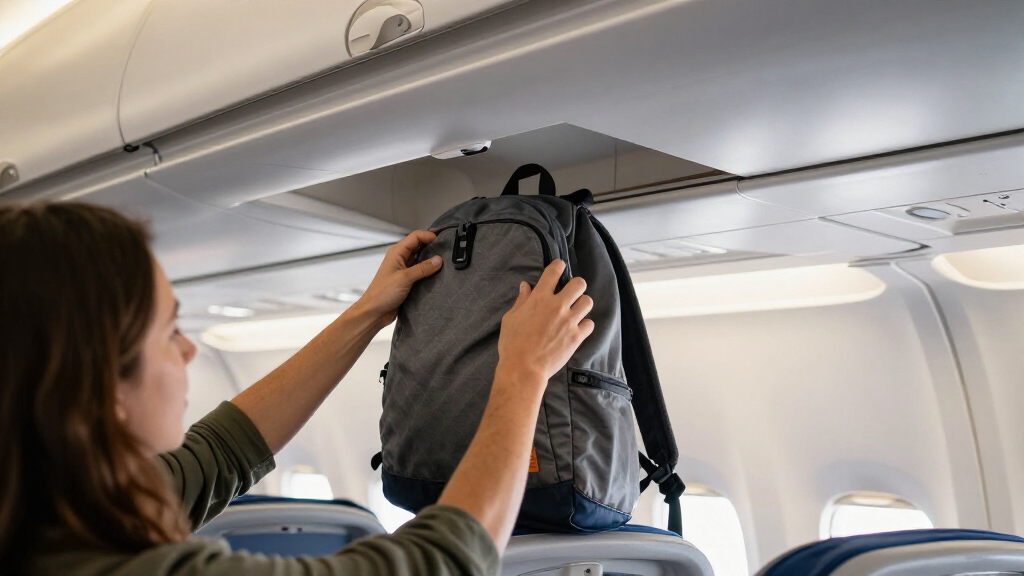
According to Jetstar, passengers will now be charged an additional fee for overhead bin storage, with prices varying based on flight length and booking class. The airline has clarified that this fee applies to both carry-on luggage stored in the overhead compartments and to passengers who wish to secure overhead space in advance. Jetstar has also stated that passengers can still bring personal items onboard free of charge, but larger carry-on items requiring overhead bin space will incur a fee.
Jetstar’s spokesperson explained that the fee is designed to optimize cabin space and improve boarding efficiency. The policy was tested in select markets earlier this year and is now being rolled out across all its flights. The fee structure is published on the airline’s website and is applicable at the time of booking or check-in.
Travelers have expressed mixed reactions, with some criticizing the move as an added cost, while others see it as a way to streamline overhead bin usage and reduce boarding delays. The airline has emphasized that the fee is optional for those who do not wish to pay for overhead space, and that standard personal items remain free.
Impacts of Overhead Bin Fees on Passengers and Airlines
The introduction of overhead bin fees by Jetstar marks a significant shift in airline baggage policies, potentially influencing industry standards. For passengers, this change could mean increased travel costs, especially during busy travel periods when overhead bin space is limited. It also raises questions about fairness and transparency in airline pricing, as travelers must now consider additional charges when planning their trips.
For airlines, the policy aims to improve operational efficiency by managing cabin space more effectively and reducing delays caused by passengers struggling to find overhead storage. However, it also risks customer dissatisfaction and could impact Jetstar’s competitive positioning, especially against airlines that continue to offer free overhead storage.
carry-on luggage with spinner wheels
As an affiliate, we earn on qualifying purchases.
As an affiliate, we earn on qualifying purchases.
Background on Airline Overhead Bin Policies and Trends
Overhead bin fees are not new in the airline industry, with several carriers in the U.S. and elsewhere implementing charges for carry-on luggage or overhead space in recent years. These policies are often introduced as part of efforts to increase ancillary revenue and manage cabin space more effectively.
Jetstar, an Australian low-cost carrier, previously allowed free overhead bin storage but announced the change amid rising operational costs and capacity constraints. The airline cited capacity management and efficiency improvements as key reasons for the policy shift, aligning with trends seen among other budget airlines worldwide.
This development follows a broader industry pattern where airlines seek to balance revenue generation with customer satisfaction, often resulting in a patchwork of baggage and overhead storage policies.
“The new overhead bin fee is part of our ongoing efforts to improve operational efficiency and reduce delays. Passengers can still bring personal items onboard free of charge.”
— Jetstar spokesperson
Unanswered Questions About Overhead Bin Fee Implementation
It is not yet clear how the fees will impact passenger behavior, such as whether travelers will pay for overhead space or opt to check luggage instead. The full financial impact on Jetstar and customer satisfaction levels remain to be seen. Additionally, the specific fee amounts for different routes and booking classes are still being analyzed, and how this policy will evolve is uncertain.
Next Steps for Passengers and Industry Stakeholders
Travelers planning to fly with Jetstar should review the updated baggage policies and fee schedules before booking. Airlines and consumer advocacy groups are expected to monitor the policy’s impact on passenger experience and operational efficiency. Jetstar may also adjust its fee structure or communication strategies based on customer feedback and operational results in the coming months.
Key Questions
How much does Jetstar charge for overhead bin space?
Fees vary depending on flight length and booking class, with specific prices published on Jetstar’s website at the time of booking or check-in.
Can I still bring a personal item for free?
Yes, passengers can still bring personal items such as handbags or laptops onboard without additional cost, but larger carry-on items requiring overhead bin space will incur a fee.
Will this fee apply to all flights?
The fee is being implemented across all Jetstar flights for overhead bin storage, but specifics may vary by route or booking class. Passengers should check the airline’s policies during booking.
How might this affect my travel costs?
The additional fee could increase overall travel expenses, especially for travelers who prefer to avoid checked luggage or need overhead space. Costs depend on the fee structure and whether passengers choose to pay for overhead storage.
Are other airlines adopting similar policies?
Yes, several low-cost carriers worldwide have introduced charges for carry-on or overhead bin space in recent years, reflecting a broader industry trend to monetize ancillary services.
Source: google-trends