
A great shower system balances water pressure, reliable valves, and quality fixtures to guarantee comfort and durability. Many luxury models fail because they overlook water efficiency and proper installation, leading to inconsistent performance or early breakdowns. Properly chosen and installed components help maintain steady pressure and control temperature, avoiding disappointment. If you keep exploring, you’ll discover essential tips to upgrade your shower system for both luxury and reliability.
Key Takeaways
- Proper valves ensure consistent water temperature and flow, preventing fluctuations that spoil the luxury shower experience.
- Water pressure impacts comfort; insufficient or excessive pressure can diminish satisfaction regardless of fixture quality.
- High-end fixtures often fail due to poor water efficiency or inadequate pressure control, not just cost or design.
- Correct installation and compatible plumbing are essential for maintaining performance and avoiding system failure.
- Achieving true luxury requires balanced engineering, quality components, and water-saving features working together effectively.
Have you ever wondered what makes a shower system truly effective and enjoyable? It’s more than just the water flow; it’s about how well the components work together to deliver comfort, efficiency, and style. One key aspect to contemplate is water conservation. Modern shower systems can help you save water without sacrificing performance. Look for models with low-flow showerheads or flow restrictors, which limit the amount of water used per minute while maintaining strong water pressure. Installing these doesn’t require a complete overhaul—simple installation tips include replacing your existing showerhead with a water-efficient one and ensuring your system has adjustable pressure settings. This way, you can enjoy a satisfying shower while reducing your water bills and environmental footprint.
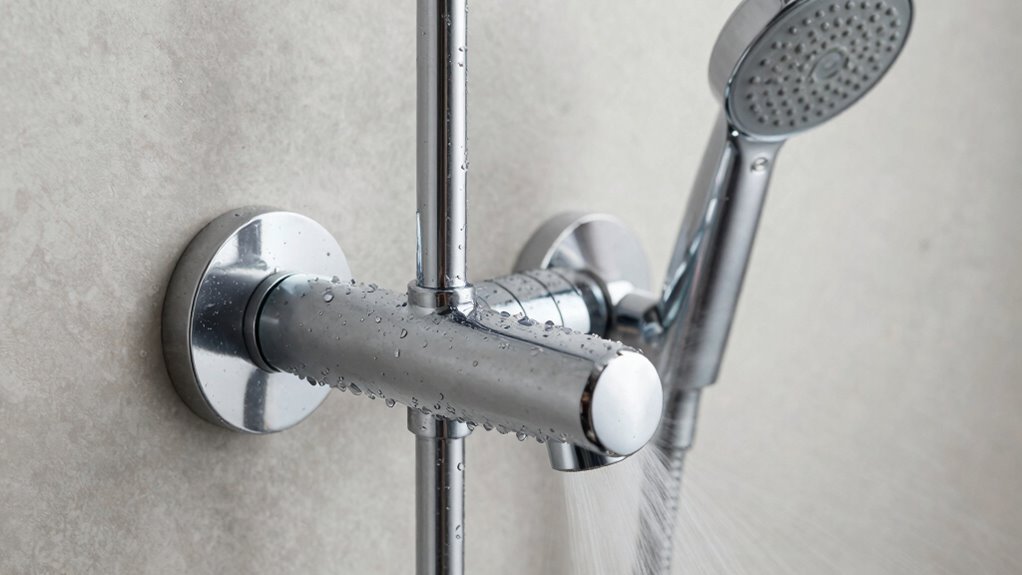
When choosing a shower system, it’s essential to understand how pressure impacts the experience. If your water pressure is too low, even the most luxurious fixtures will feel underwhelming. Conversely, excessively high pressure can cause discomfort or damage to the system. The right balance depends on your household’s water supply and the type of valves you select. Pressure-balancing valves are designed to maintain consistent water flow, preventing sudden temperature fluctuations during peak usage times. When installing, ensure your pipes are properly sized and free of obstructions to optimize pressure. Proper installation tips include checking your existing plumbing for compatibility and consulting a professional if needed, especially if you’re upgrading to a high-end or complex system. Correct placement of valves and ensuring they’re easily accessible can also make future maintenance smoother.
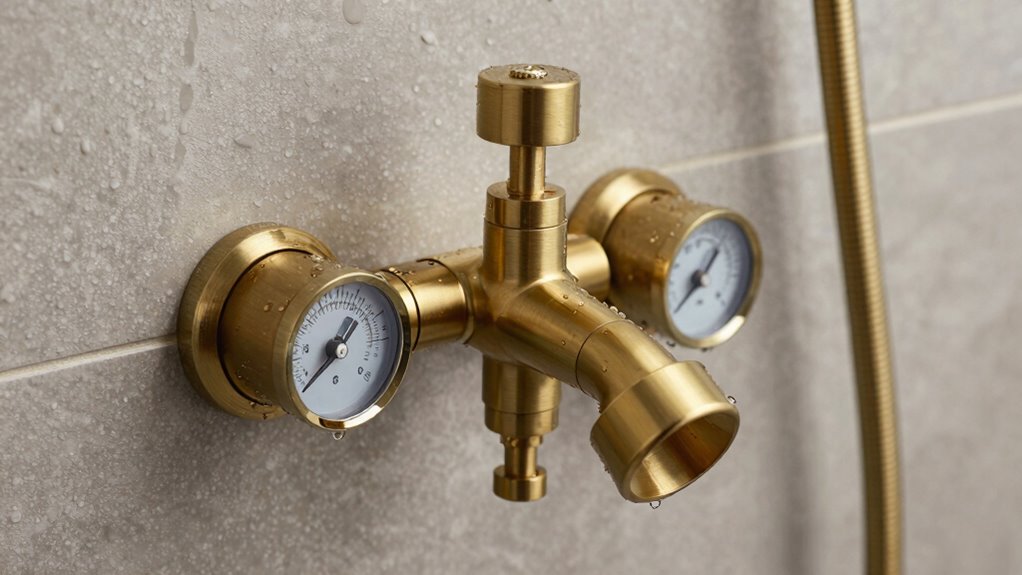
Many people associate luxury with high-end fixtures, but often, that’s where disappointment begins. “Luxury” shower systems frequently fail because they promise indulgence but neglect practical details like water efficiency and reliable pressure control. Overpriced components may look impressive but lack durability or don’t perform as expected over time. To avoid this, focus on quality brands known for craftsmanship and compatibility with your home’s plumbing. Remember, the most luxurious experience comes from a system that’s well-designed, properly installed, and tailored to your water supply’s characteristics. A high-end shower isn’t just about shiny fixtures; it’s about thoughtful engineering that ensures consistent performance, water savings, and ease of use. By paying attention to these fundamentals, you’ll create a shower experience that’s both enjoyable and sustainable, proving that luxury doesn’t have to come at the expense of practicality. For optimal performance, consider valve technology that precisely controls water flow and temperature.

Chilipad Cube Bed Cooling System - Cooling & Heating Mattress Topper, Custom Bed Temperature, Cool Sleep Enhancement, Temp Range of 60-115°F, ME Half King or TwinXL Size (38" W x 80" L), Model: CP502
No More Night Sweats: This original Chilipad bed cooling system is designed to make your existing mattress cooler....
As an affiliate, we earn on qualifying purchases.
Frequently Asked Questions
How Do I Choose the Right Shower Valve for My Needs?
To select the appropriate shower valve, first consider the types—single-handle, dual-handle, or thermostatic—and how they match your control preferences. Think about your water pressure and flow needs. Check installation tips to guarantee compatibility with your existing plumbing. You’ll want a valve that suits your budget, provides consistent temperature control, and is easy to maintain. Research brands with good reviews to ensure durability and reliable performance.
What Is the Average Lifespan of a Shower System?
Your shower system can last a lifetime if you choose wisely. On average, with proper maintenance, a quality shower system’s durability extends up to 15-20 years. Regularly inspecting valves and replacing worn parts helps prevent premature failure. To maximize lifespan, invest in high-quality materials and consider professional installation. Proper care and timely repairs are your best tools to guarantee your shower system remains reliable and functional for decades.
Can I Retrofit a New Shower System Into an Existing Bathroom?
Yes, you can retrofit a new shower system into your existing bathroom. Just guarantee the new setup matches your bathroom aesthetics and fits your current plumbing. Retrofit options often include water-conserving features, helping you save on water bills. You might need some adjustments to plumbing or wall fittings, but with proper planning, upgrading your shower can enhance your bathroom’s look and efficiency without major renovations.
Are High-Pressure Showers Better Than Low-Pressure Ones?
Imagine standing under a powerful cascade of water, feeling invigorated—that’s what high-pressure showers deliver. They often feel better, but they use more water, which isn’t eco-friendly. Low-pressure showers conserve water and energy, making them eco-conscious choices. Your decision depends on your priorities: if you value a strong spray, go high-pressure; if water conservation matters, low-pressure systems are smarter and kinder to the environment.
How Do I Maintain and Clean My Shower Valves Effectively?
To maintain your shower valves, regularly clean them to prevent mineral buildup by soaking a cloth in vinegar and wiping the parts. You should also lubricate the valves periodically with a silicone-based lubricant to guarantee smooth operation. Avoid harsh chemicals that can damage seals. These simple steps help prevent leaks and keep your shower functioning properly, saving you time and costly repairs later.

Adamson B10 Bed Cooling System - Twin 75” L x 39” W - New - 100% Cotton Mattress Cooling Bed Pad for Night Sweats - Water Bed Cooler Ideal for Hot Sleepers - Improved Mattress Cooling System
KEEP YOUR BODY COOL: Thanks to an ingenious system using the principle of evaporative cooling, this bed cooler...
As an affiliate, we earn on qualifying purchases.
Conclusion
Now that you understand how valves and pressure shape your shower experience, imagine stepping into a stream of perfectly balanced water, the warm cascade enveloping you in comfort. When luxury fails, it’s like pouring a glass of fine wine only to find it watered down—disappointing and empty. With this knowledge, you can seek out shower systems that truly deliver, turning your daily rinse into a invigorating, revitalizing escape.

BedJet 3 Climate Comfort for Beds, Cooling Fan + Heating Air (Single Temp. Zone Any Size Bed or Mattress)
Sleep better with on-demand cooling, warming and sweat drying comfort right in your bed, works on any size...
As an affiliate, we earn on qualifying purchases.

Gevi 10-Cup Drip Coffee Maker with Built-in Grinder, Programmable Brew Coffee Machine with Timer, Reusable Filter, 1.5L Water Tank, Coffee Pot, Warming Plate Burr Grinder Combo
𝟐-𝟏𝟎 𝐂𝐮𝐩 𝐂𝐚𝐩𝐚𝐜𝐢𝐭𝐲 - Drip coffee maker with built-in grinder allows you to brew 10 cups, or use...
As an affiliate, we earn on qualifying purchases.