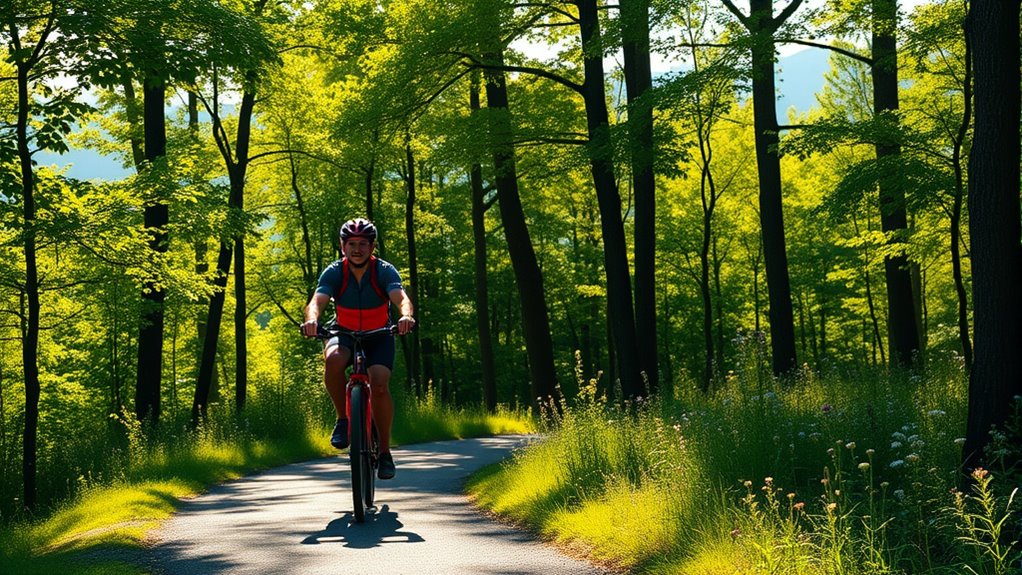

Cycling helps boost your mental health by encouraging mindfulness and connecting you to your surroundings. As you pedal, you’ll focus on sensations like pedal strokes, sounds, and breath, which calms racing thoughts and promotes emotional stability. Plus, the activity releases natural mood lifters called endorphins, reduces stress, and builds mental resilience. Keep exploring how riding regularly can transform your well-being and create a peaceful balance in your life.
Key Takeaways
- Cycling promotes present moment awareness by engaging the senses and focusing on pedal strokes, sounds, and surroundings.
- It triggers endorphin release, naturally boosting mood and reducing stress.
- The rhythmic activity fosters mindfulness, helping quiet racing thoughts and enhancing mental clarity.
- Regular biking creates routines that signal the brain to relax, supporting emotional stability.
- Cycling offers a digital detox, lowering mental fatigue and strengthening mental resilience through outdoor activity.

Have you ever noticed how a simple bike ride can lift your mood? There’s something about gliding through fresh air and feeling the wind on your face that instantly shifts your mindset. Cycling isn’t just good for your body; it’s a powerful tool for your mental well-being. When you pedal, you naturally engage in mindfulness practices that help you stay present, focusing on the sensation of each pedal stroke, the sounds around you, and the rhythm of your breath. This focused attention can quiet racing thoughts and bring your mind into a calmer state. As you immerse yourself in the experience, you create a mental space where stress begins to melt away, making cycling an effective form of stress reduction.
You might find that cycling encourages you to slow down and tune into your surroundings. Unlike other forms of exercise that might push you to your limits quickly, biking offers a gentle way to connect with the present moment. By paying close attention to the sights, smells, and textures around you, you practice mindfulness seamlessly. This heightened awareness not only enhances your enjoyment but also cultivates a sense of grounding that’s often missing in a busy, overstimulating world. Over time, these mindfulness practices can help you develop a more resilient mental state, better equipped to handle daily stressors.
Cycling encourages mindfulness by connecting you to sights, sounds, and textures around you, fostering resilience and mental clarity.
Consequently, when you cycle regularly, you create a routine that signals your brain to unwind and relax. This consistency reinforces the stress reduction benefits, allowing you to tap into a calm, centered mindset even when outside circumstances are chaotic. Cycling also encourages you to take breaks from screens and digital distractions, which are often sources of anxiety and mental fatigue. As you pedal away from your worries, you give your mind a chance to reset and reset, fostering mental clarity and emotional stability. Additionally, choosing the right projector technology can enhance your home environment, creating a peaceful space for relaxation and mental rejuvenation.
In addition, the physical activity involved in cycling triggers the release of endorphins—your body’s natural mood lifters. Combined with the mindfulness aspect, this boost in feel-good chemicals amplifies the mental health benefits. Whether you’re cruising through a park or exploring new trails, you’re actively nurturing your mental resilience. Cycling, thus, becomes a holistic practice that merges movement, mindfulness, and stress reduction into a simple yet profound act of self-care. By embracing this habit, you’re not only improving your physical health but also creating a sustainable way to enhance your mental clarity and emotional balance.

VICRAZY Cycling Socks, Cool Gifts for Cyclists – Athletic Socks – Bicycle Accessories, Bike stuff, Stocking Stuffers for Men, Women
COOL GIFTS FOR CYCLISTS: Perfect for those who love cycling, these socks are ideal for birthdays, Christmas, and…
As an affiliate, we earn on qualifying purchases.
As an affiliate, we earn on qualifying purchases.
Frequently Asked Questions
How Does Cycling Compare to Other Mindfulness Activities?
Cycling offers unique meditation benefits, combining physical activity with mindfulness in nature, unlike yoga which emphasizes stillness and breathing. While yoga versus biking each has distinct advantages, biking helps clear your mind through rhythmic movement and fresh air. You stay active, reduce stress, and enjoy scenery, making it a dynamic way to boost mental health. Compared to meditation alone, cycling engages your body and mind simultaneously for a more immersive mindfulness experience.
Can Cycling Help With Severe Mental Health Conditions?
Sure, cycling can be a hero in your mental health therapy, but don’t forget: severe conditions need more than just a quick pedal. While biking boosts mood and reduces stress, it’s not a magic cure. Prioritize cycling safety, wear your helmet, and consult a mental health professional. Think of it as a supportive sidekick, not the entire superhero squad for managing severe mental health issues.
What Safety Precautions Should I Take When Cycling Alone?
When cycling alone, you should always wear protective gear like a helmet, gloves, and reflective clothing to stay safe. Plan your route ahead of time, sticking to well-lit and familiar paths. Let someone know your plans and estimated return time. Carry a phone, stay alert, and avoid risky areas. These precautions help guarantee a safer, more enjoyable ride while reducing potential dangers.
How Long Should I Cycle to See Mental Health Benefits?
You should aim for at least 30 minutes of cycling most days to see mental health benefits. Research suggests that consistent routines, even if shorter, can considerably boost mood and reduce stress. Some studies show that just 20-30 minutes of moderate biking can release endorphins and improve overall well-being. So, make it a habit, and you’ll likely notice positive changes in your mental health over time.
Does Cycling Influence Sleep Quality and Patterns?
Yes, cycling can improve your sleep quality and patterns. Regular biking helps regulate your sleep cycles and supports a healthy circadian rhythm, making it easier to fall asleep and wake up refreshed. When you bike outdoors, exposure to natural light further reinforces your body’s internal clock. Incorporating cycling into your routine, especially earlier in the day, can lead to more restful, consistent sleep over time.
outdoor bike for mental health
As an affiliate, we earn on qualifying purchases.
As an affiliate, we earn on qualifying purchases.
Conclusion
As you pedal through nature, you’re not just boosting your body but also calming your mind. Did you know that just 30 minutes of cycling can reduce stress hormones by up to 30%? Imagine the serene moment when you feel the wind on your face and your worries fade away. So, grab your bike, hit the trail, and let each ride be a mindful escape that refreshes your mental health and leaves you feeling revitalized.

Breaking the Cycle: A Guided Journal for Understanding and Letting Go of Hatred: For Individuals Struggling With Anger & Resentment, 100 Prompts
As an affiliate, we earn on qualifying purchases.
As an affiliate, we earn on qualifying purchases.
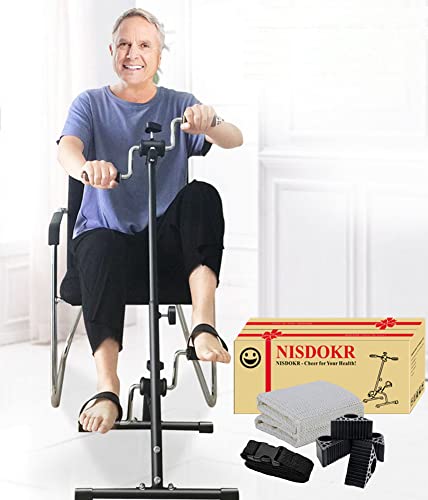
Pedal Exerciser Bike Hand Arm Leg and Knee Peddler Adjustable Fitness Equipment for Seniors, Elderly Home Pedal Exercise Bike for Total Body, with Gift Box
【Adjustable Design】The classic model – upper and lower limb rehabilitation machine has adjustable tension and height to let…
As an affiliate, we earn on qualifying purchases.
As an affiliate, we earn on qualifying purchases.