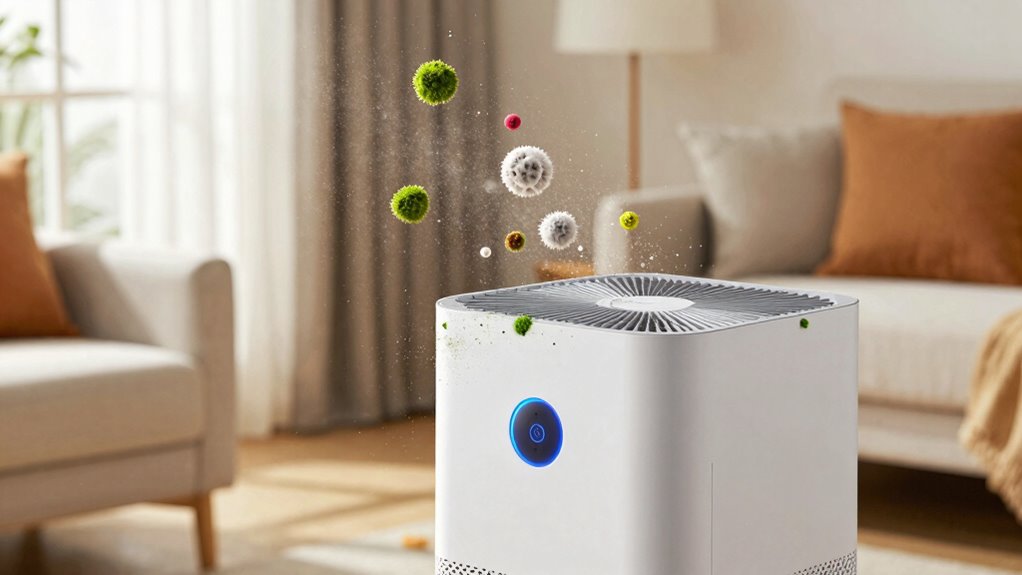

When mold, VOCs, and dust pose health risks, each pollutant requires a different approach. Mold spores need HEPA filters to trap tiny particles and moisture control to prevent growth. VOCs, which come from household products, are best removed with activated carbon filters that adsorb gases. Dust can be reduced through HEPA filtration combined with regular cleaning and good ventilation. To protect your indoor air quality effectively, understanding these tailored solutions is essential—keep going to discover more.
Prime for Young Adults — start your free trial
Fast free delivery, streaming and member deals for eligible 18–24 year olds.
As an affiliate, we earn on qualifying purchases.
Key Takeaways
- Different pollutants require tailored filtration methods, such as HEPA for dust and mold, and activated carbon for VOCs.
- Mold control emphasizes moisture management alongside HEPA filtration to prevent spore growth.
- VOC removal benefits from activated carbon filters, often combined with HEPA for comprehensive air cleaning.
- Dust levels can be reduced through regular cleaning, HEPA filtration, and enhanced ventilation.
- Addressing each pollutant individually ensures effective indoor air quality improvement and health protection.
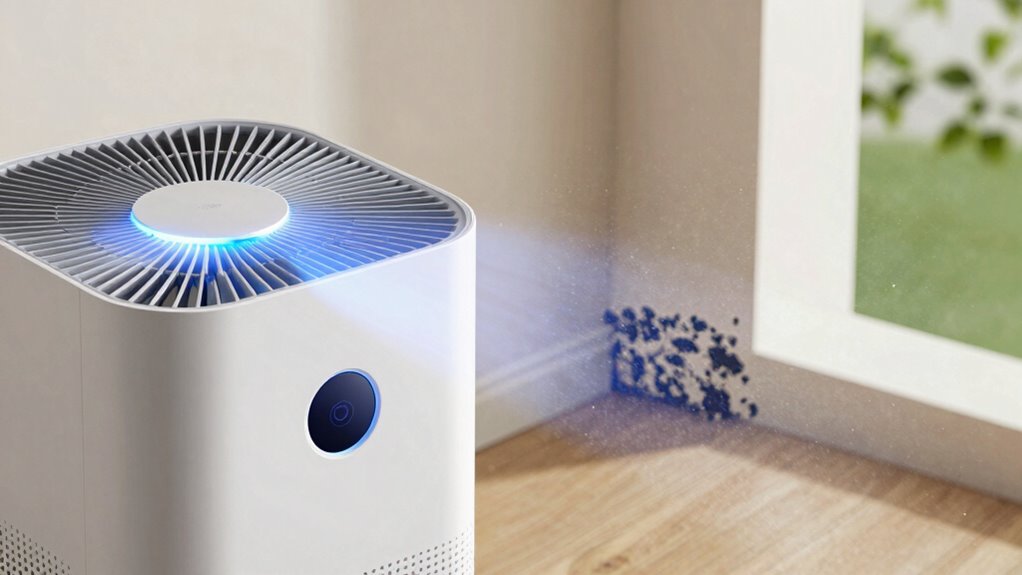
Indoor air quality can considerably impact your health, especially when mold, VOCs (volatile organic compounds), and dust are present. These contaminants can cause a range of health issues, from allergies to respiratory problems, making it essential to address each with the right solution. Understanding that different pollutants require different approaches is key to improving your indoor environment. Air purification plays a central role in enhancing indoor air quality, but not all air purifiers are equally effective for every type of contaminant. To effectively reduce mold spores, VOCs, and dust, you need to select air solutions tailored to each pollutant’s characteristics.
Effective air quality management requires tailored solutions for mold, VOCs, and dust to protect your health indoors.
Mold spores are microscopic and can easily circulate through your home’s air. To combat mold, you need air purification systems that include HEPA filters, which can trap tiny particles like spores, preventing them from being inhaled. These filters are highly efficient at capturing airborne mold, reducing the likelihood of allergic reactions and respiratory issues. But it’s not just about filtering the air; controlling moisture levels is equally important because mold thrives in damp environments. Fixing leaks, improving ventilation, and using dehumidifiers help create an environment less conducive to mold growth. Moisture control is a crucial factor in preventing mold development indoors. Additionally, proper ventilation can also help reduce indoor humidity and limit mold proliferation.
VOCs are volatile organic compounds emitted from household products like paints, cleaning supplies, and furniture. These gases can cause eye, nose, and throat irritation, and long-term exposure may lead to more serious health risks. To remove VOCs from your indoor air, activated carbon filters are your best bet. These filters adsorb gaseous pollutants, effectively reducing VOC concentrations. Combining activated carbon with other filtration methods, like HEPA filters, provides a detailed approach to indoor air purification, tackling both particles and gases. Additionally, choosing low-VOC or VOC-free products can significantly reduce these emissions at the source. Using air quality testing can help identify specific VOC sources and monitor improvements over time.
Dust particles, including pet dander, pollen, and skin flakes, are a common indoor pollutant that can aggravate allergies and asthma. Air purifiers with HEPA filters are also highly effective here, capturing a broad spectrum of dust particles. Regular cleaning, dusting, and vacuuming with HEPA-filtered equipment complement air purification efforts, keeping dust levels low. Additionally, maintaining good ventilation helps reduce dust buildup and improves overall indoor air quality. Ensuring proper airflow through ventilation systems is vital in maintaining a healthier indoor environment. Proper maintenance of ventilation systems ensures they operate efficiently and contribute to better air circulation.
HEPA air purifier for mold spores
As an affiliate, we earn on qualifying purchases.
As an affiliate, we earn on qualifying purchases.
Frequently Asked Questions
How Can I Identify the Specific Air Contaminant Affecting My Home?
You can identify the specific air contaminant affecting your home by conducting air quality testing, which measures levels of mold, VOCs, and dust. Pay attention to contaminant sources like damp areas for mold, new furniture or cleaning products for VOCs, and clutter or pet dander for dust. Testing results help pinpoint the problem, guiding you to the right solution, whether it’s dehumidifiers, air purifiers, or thorough cleaning.
Are DIY Air Purification Methods Effective Against Mold, VOCS, and Dust?
DIY air purification methods can feel like a quick fix, but they often fall short in effectively tackling mold, VOCs, and dust. Air purifiers require proper maintenance, like regular filter changes, to truly work. While DIY solutions might help temporarily, investing in high-quality air purifiers and keeping up with maintenance guarantees a healthier home environment. Relying solely on DIY methods isn’t enough for deep-cleaning airborne contaminants.
What Are the Health Symptoms Caused by Each Type of Indoor Air Pollutant?
You might experience symptoms like sneezing, coughing, or itchy eyes from airborne allergens caused by dust. Mold exposure can lead to respiratory issues, wheezing, or allergic reactions, especially if indoor ventilation is poor. VOCs can trigger headaches, dizziness, or skin irritation. Recognizing these symptoms helps you understand when to improve indoor ventilation or remove specific pollutants, reducing health risks associated with airborne allergens, mold, and VOCs in your home.
How Often Should I Replace or Clean Air Filters for These Contaminants?
You should replace or clean your air filters based on their filter lifespan and replacement frequency recommendations, typically every 30 to 90 days. For mold, VOCs, and dust, check your filter’s specifications and replace them more frequently if you notice reduced airflow or increased odors. Regular maintenance guarantees ideal air quality, helping to prevent health symptoms linked to these pollutants. Keep an eye on your filters’ condition for best results.
Can Outdoor Air Quality Impact Indoor Air Purification Effectiveness?
Think of your indoor air as a castle, with outdoor air impact acting like sneaky invaders. Pollution infiltration from outside can compromise your indoor air quality, making purification efforts less effective. When outdoor air quality is poor due to high pollution levels, your air filters and purifiers may struggle to keep out harmful particles. To protect your castle, consider using air purifiers with strong filtration and keep windows closed during pollution spikes.
Conclusion
So, next time you’re battling mold, VOCs, or dust, remember—one air purifier won’t save you all. You wouldn’t wear flip-flops to a snowstorm, right? Treat your home’s air with the same logic. Invest in the right solutions for each menace, or keep pretending your air’s as clean as a mountain breeze. Because, after all, who doesn’t want to breathe like royalty—minus the sneezes and sniffles?
NFL season / tailgating Picks
team gear
As an affiliate, we earn on qualifying purchases.