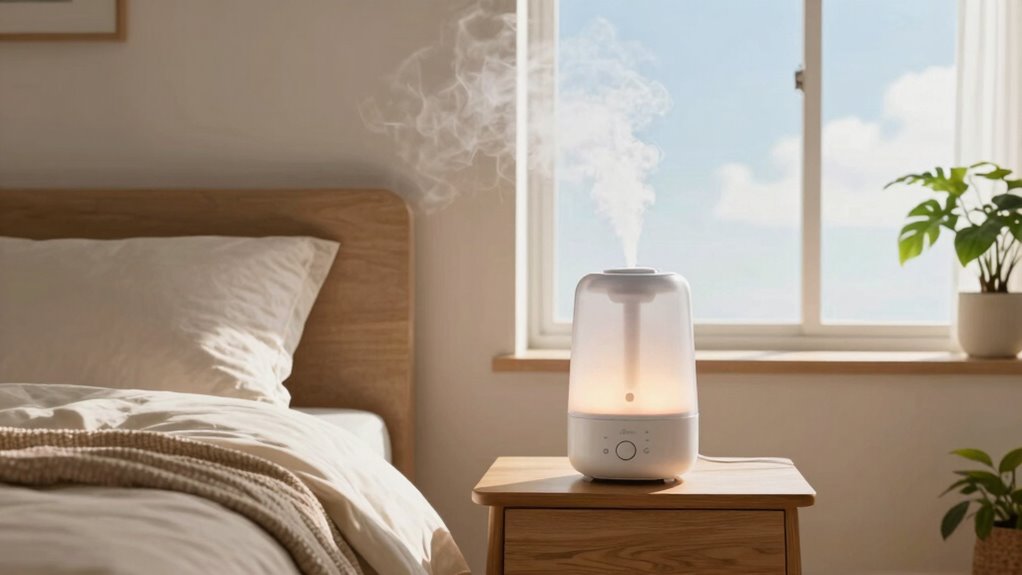

To humidify your bedroom without making it feel damp, monitor humidity levels with a hygrometer and keep them between 40-50%. Use an adjustable humidifier placed centrally away from walls, and incorporate moisture-absorbing materials like silica gel or activated charcoal. Ventilate regularly and gently circulate air with fans. Combining these methods helps maintain comfortable humidity without saturation. Keep an eye on condensation and adjust as needed — you’ll find more tips to optimize your space as you explore further.

Get travel and outdoor gear delivered free with Prime
- Fast, free delivery on millions of items
- Prime Video, Amazon Music and more included
- Member-only deals all year
Key Takeaways
- Use a humidifier with adjustable settings to control moisture levels precisely.
- Place moisture-absorbing materials like silica gel away from humidifier to prevent over-humidification.
- Ventilate the room regularly to maintain fresh air and prevent dampness buildup.
- Keep humidity levels between 40-50% using a hygrometer for accurate monitoring.
- Avoid large standing water sources; opt for small, controlled humidification methods.
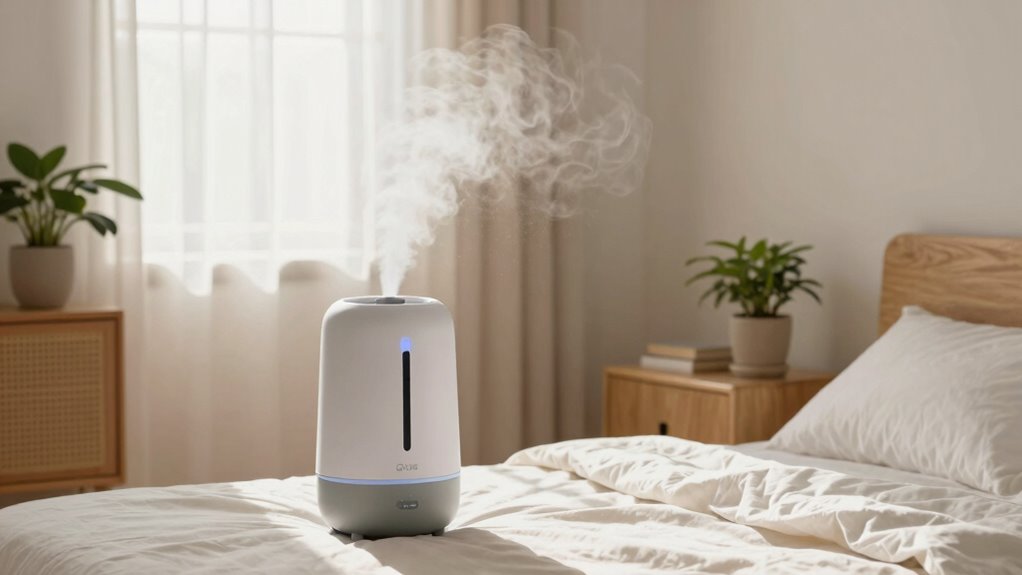
Keeping your bedroom comfortably humid without making it feel damp can be a delicate balance, but it’s entirely achievable with the right strategies. The key is to focus on improving air quality and moisture control, ensuring you add enough humidity without crossing into overly damp territory. First, assess the current air quality in your room. Use a hygrometer to monitor humidity levels, aiming for a range between 40% and 50%. This range keeps the air comfortably moist without creating a damp environment that promotes mold or mustiness. Once you know your starting point, you can make targeted adjustments.
Maintain 40-50% humidity for a comfortable, mold-free bedroom environment.
Moisture control is essential; you want to add humidity gradually and consistently. Instead of leaving a large bowl of water out, consider using a humidifier with adjustable settings. Modern humidifiers allow you to fine-tune the output, preventing over-humidification. Place the humidifier in a central location, away from walls and furniture, to promote even dispersal of moisture. Keep the door closed when the humidifier is running to maintain consistent humidity levels and prevent moisture from escaping.
If you prefer a more natural approach, houseplants can also improve air quality and add humidity. Choose plants like pothos, peace lilies, or Boston ferns, which release moisture into the air through transpiration. Just be cautious not to overwater them, as excess water can contribute to unwanted dampness. Regularly ventilate your bedroom to allow fresh air in and excess moisture out, especially if you notice a musty smell or increased condensation on windows. Additionally, understanding biodiversity and how different plant species contribute to a healthy environment can help you select the best plants for humidity and air quality. Incorporating humidity regulation techniques, such as using moisture-absorbing materials, can also help maintain balance. Using moisture-absorbing materials like silica gel or activated charcoal can further assist in controlling excess humidity and preventing damp spots. Being mindful of ventilation practices is equally important to balance moisture levels and prevent indoor air problems. Additionally, proper humidity monitoring with a hygrometer helps you keep humidity levels consistent and avoid over-humidification. You can also use a combination of moisture sources, like a small, well-maintained humidifier along with strategically placed bowls of water. Change the water frequently to prevent mold growth or bacteria buildup. You can also set a fan to gently circulate air, helping distribute humidity evenly and preventing pockets of dampness from forming. Keep an eye on your room’s humidity levels with your hygrometer, adjusting your methods as needed.
As an affiliate, we earn on qualifying purchases.
Frequently Asked Questions
Can Humidifiers Cause Mold Growth in My Bedroom?
Humidifiers can cause mold growth if you don’t control humidity levels properly. To prevent mold, use humidity sensors to keep moisture between 30-50%. Regularly clean your humidifier to avoid mold spores from spreading. Proper ventilation is also key. By monitoring and maintaining ideal humidity, you guarantee a comfortable environment without risking mold, keeping your bedroom safe and healthy.
What Is the Ideal Humidity Level for a Bedroom?
You should aim for a humidity level between 40-60% to optimize air quality and sleep comfort. Studies show that staying within this range reduces respiratory issues and enhances rest. Too high a level can cause mold, while too low dries out your skin and airways. Use a hygrometer to monitor your bedroom’s humidity, and adjust your humidifier accordingly to maintain a balanced, comfortable environment.
How Often Should I Clean My Humidifier?
You should clean your humidifier at least once a week to prevent mold and bacteria buildup, ensuring best humidifier maintenance. Regular cleaning keeps the air quality tips in check, helping you breathe easier and avoid dampness. If you notice any mineral deposits or musty odors, clean it more often. Proper maintenance not only extends your humidifier’s lifespan but also maintains a healthy, comfortable environment in your bedroom.
Are There Natural Ways to Increase Humidity Safely?
Simply supplement your space with plant care—adding houseplants like peace lilies or snake plants naturally boosts humidity without dampness. You can also use essential oils in a diffuser to add moisture and aroma, creating a calming, humid environment. These natural methods are safe, simple, and effective, helping you maintain comfortable humidity levels while avoiding excess dampness or synthetic solutions.
Can Pet Dander Affect Humidity Levels?
Pet dander can indirectly affect your air quality and perceived humidity levels. When dander accumulates, it may trap moisture, making the room feel more humid or damp. Additionally, pet allergens can worsen allergy symptoms, which might lead you to use humidifiers more often. Managing pet dander with regular cleaning and good ventilation helps maintain better air quality, ensuring humidity levels stay balanced without making your bedroom feel damp.
Conclusion
In your quest to comfortably humidify, keep it simple and strategic. Balance breathable bowls, gentle gadgets, and natural nuances to nurture a humid haven. Avoid overly damp dilemmas by monitoring moisture levels and maintaining proper airflow. With mindful methods, you’ll master the art of maintaining a moist, manageable, and cozy climate. Embrace these easy, effective tips to guarantee your bedroom blooms with balanced, breathable bliss—beautifully blending beneficial humidity with a fresh, fuss-free feeling.
Halloween Picks
halloween
As an affiliate, we earn on qualifying purchases.