
By 2025, boutique hotels will offer highly personalized luxury experiences that blend authentic design, cultural immersion, and sustainable practices. You’ll enjoy unique environments inspired by local stories, vintage details, and craftsmanship, all enhanced by innovative technology like AI-powered services. These hotels focus on exclusivity, wellness, and eco-friendly features, making your stay memorable and meaningful. If you keep exploring, you’ll discover how these trends are shaping the future of luxury travel.

Get travel and outdoor gear delivered free — and shop member deals
- Fast, free delivery on millions of items
- Access to Prime Big Deal Days deals on October 6–7
- Prime Video, Amazon Music and more included
Key Takeaways
- Boutique hotels in 2025 focus on immersive, personalized experiences blending local culture, history, and craftsmanship.
- Advanced technology like AI and mobile apps enhance seamless, tailored guest services and digital storytelling.
- Design trends emphasize authentic cultural aesthetics, combining traditional elements with modern innovation.
- Sustainability and eco-friendly practices are integral, attracting environmentally conscious travelers.
- The sector shows strong growth with high occupancy, premium pricing, and innovative branding strategies.
As an affiliate, we earn on qualifying purchases.
Market Growth and Investment Trends
The boutique hotel market is poised for steady growth, driven by increased consumer demand for personalized experiences and experiential travel. As this market expands, guest loyalty becomes vital; travelers seek unique stays that foster emotional connections and repeat visits. Investment trends reflect this shift, with about 139,000 boutique hotel rooms under construction in the U.S., especially in upscale and luxury segments. Investors favor boutique properties for their strong returns, high occupancy rates, and premium ADR, supporting operational efficiency. Despite economic uncertainties, luxury boutique hotels continue to outperform traditional options and generate impressive EBITDA margins. This growth attracts both primary and secondary location investments, ensuring boutique hotels remain resilient and profitable, especially as they cater to travelers willing to pay more for distinct, culturally rich, and wellness-oriented experiences. Market growth forecasts further highlight the sector’s resilience amid shifting consumer preferences for bespoke, immersive stays.
The Rise of Luxury Boutique Hotels

You’ll notice that luxury boutique hotels stand out by offering unique, artistic designs paired with personalized service, creating memorable experiences. These hotels focus on exclusivity and intimacy, making guests feel like they’re in a private retreat rather than just another traveler. As a result, their distinctive offerings are driving growth and redefining what upscale hospitality means. The trend toward eco-friendly and sustainable practices is also increasingly integrated into luxury boutique hotels, appealing to environmentally conscious travelers and enhancing their appeal. Incorporating customized guest experiences is another way these hotels differentiate themselves in a competitive market.
Unique Offerings Drive Growth
Unique offerings are fueling the rapid growth of luxury boutique hotels, as travelers seek more than just a place to stay—they want immersive and authentic experiences. Historical influences shape these hotels’ distinctive designs, blending local stories and artisanal elements into interiors that resonate with cultural trends. This focus on local culture, cuisine, and storytelling creates memorable stays that differentiate boutique properties from traditional hotels. As you explore these destinations, you’ll notice curated experiences like guided tours, culinary adventures, and community events, all emphasizing authenticity. The integration of local influences and history not only enhances guest engagement but also reflects broader cultural trends favoring meaningful travel. Incorporating local heritage into the design and programming further enriches the guest experience. This strategic differentiation boosts occupancy, loyalty, and market growth, making unique offerings a key driver for luxury boutique hotel success. Market expansion indicates that the industry is expected to continue growing, with increased investments in personalized amenities and experiential services.
Luxury Experiences Define Market
As the luxury boutique hotel market continues to expand, it’s driven by travelers seeking highly personalized and immersive experiences that go beyond standard accommodations. Cultural immersion plays a key role, as guests want to connect deeply with local traditions and stories through unique design and authentic offerings. Architectural innovation also sets these hotels apart, with stunning, story-driven designs that reflect local culture and craft a sense of place. You’ll find exclusive locations that prioritize individuality, flexibility, and bespoke services, creating memorable stays tailored to your preferences. These hotels leverage technology like AI-powered concierges to enhance convenience while maintaining authentic human connections. The global luxury hospitality market is projected to reach over $218 billion by 2029, reflecting the increasing demand for bespoke services and highly curated experiences. Ultimately, luxury experiences—focused on cultural depth and innovative architecture—define the market and attract discerning travelers craving meaningful, one-of-a-kind stays.
Consumer Preferences for Unique Experiences
What drives today’s travelers to choose boutique hotels over traditional options? It’s their desire for cultural authenticity and local craftsmanship. You want immersive stays that connect you with the destination’s history and community. Boutique hotels prioritize unique, experiential environments—think design-led spaces that reflect local heritage through artwork, furniture, and décor crafted by regional artisans. You’re seeking more than just a place to sleep; you crave memorable moments rooted in the local culture. From culinary experiences using regional ingredients to workshops on crafts, music, or language, these hotels deepen your cultural engagement. This focus on authenticity and craftsmanship creates personalized stays that feel genuine and exclusive, satisfying your appetite for meaningful, one-of-a-kind experiences that stand out from typical accommodations. The industry anticipates ongoing growth and transformation, with boutique hotels redefining standards through unique, intimate, and authentic offerings that incorporate sustainability, wellness, and localised experiences.
Personalization Through Technology
You’ll notice how mobile apps and AI-driven services make your stay more personalized and seamless. These technologies learn your preferences and adapt in real-time, offering tailored recommendations and services without you asking. As a result, your experience becomes uniquely yours, blending convenience with authentic boutique hospitality. Heritage and history are increasingly incorporated into digital experiences, allowing boutique hotels to showcase their unique stories and cultural roots in innovative ways. Additionally, real-time data helps hotels adjust their offerings instantly based on guest feedback and preferences.
Mobile App Integration
Mobile app integration is transforming boutique hotels by offering highly personalized experiences through advanced technology. With mobile check-in and digital room keys, you can skip front desk lines and access your room with a simple tap. Contactless payments create a seamless, cash-free environment, catering to your convenience. Here are four key benefits:
- Enhanced convenience for booking, customizing your stay, and controlling in-room features.
- Real-time communication with hotel staff for instant service.
- Personalized offers and loyalty programs delivered directly through the app.
- Pre-arrival customization, allowing you to set preferences for room conditions or wellness retreats, supporting digital detox and relaxation. Additionally, integrating guest preferences through AI-driven personalization helps tailor every aspect of your stay more precisely.
This mobile-first approach not only streamlines your experience but also supports wellness by reducing physical interactions and enabling a more mindful, tech-savvy stay. The integration of AI-driven personalization and automation further enhances guest engagement and operational efficiency, ensuring a truly tailored experience.
AI-Driven Personal Services
Have you ever wondered how hotels can anticipate your needs and tailor experiences just for you? AI-driven personal services make this possible by analyzing your booking history, on-property behavior, and digital interactions. These insights enable hotels to offer personalized upgrades, amenities, and recommendations, increasing satisfaction and loyalty. AI chatbots handle routine inquiries and manage reservations efficiently, while voice assistants control room settings to match your preferences. However, balancing AI ethics and guest privacy remains vital; hotels must protect your data while delivering seamless, personalized experiences. Data privacy and security are crucial considerations to ensure guest trust. Digital keys, contactless payments, and customized entertainment options further enhance your stay. By leveraging AI responsibly, boutique hotels can deliver luxury, convenience, and privacy, setting new standards for personalized hospitality in 2025.
Sustainability as a Differentiator
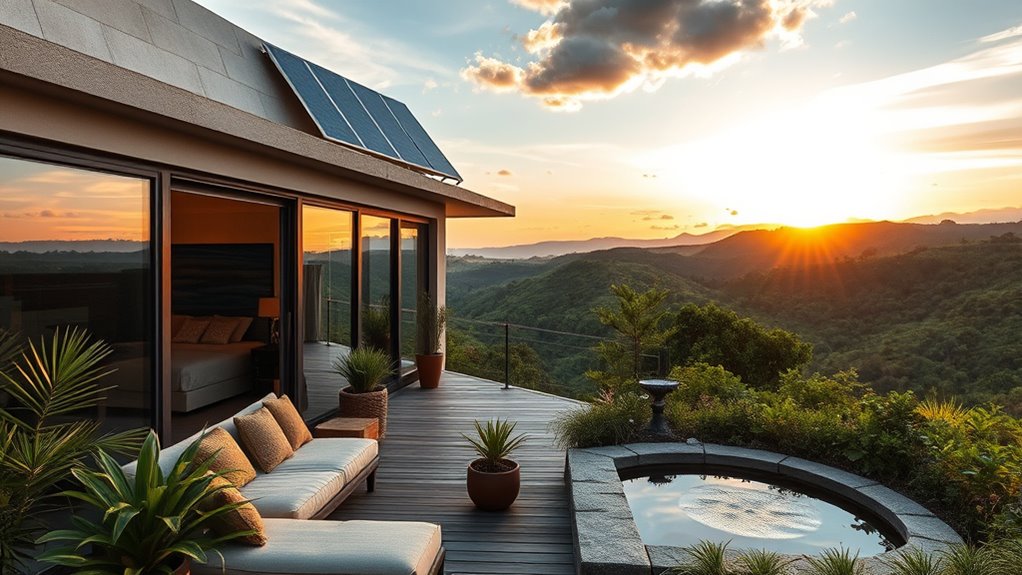
As sustainability becomes increasingly essential in the hospitality industry, boutique hotels are leveraging eco-friendly practices to stand out in a competitive market. Emphasizing water conservation and eco friendly materials, many hotels are adopting innovative solutions to attract eco-conscious travelers. Upgrading to water-saving fixtures reduces water use by 20-40%, while greywater recycling and rainwater harvesting further cut potable water demand. To highlight their commitment, hotels often implement sustainability certifications like LEED or BREEAM, which boost guest trust and revenue. Consider these key strategies:
Boutique hotels are adopting eco-friendly practices like water-saving fixtures and sustainability certifications to attract conscious travelers.
- Using eco friendly materials in renovations and design.
- Installing water conservation fixtures and systems.
- Encouraging guest participation in water and resource saving.
- Displaying sustainability credentials transparently.
Implementing vertical storage solutions can also optimize space within hotel rooms and public areas, demonstrating attention to environmental efficiency.
These efforts create meaningful, personalized luxury stays that resonate with modern travelers.
Regional Market Dynamics and Opportunities
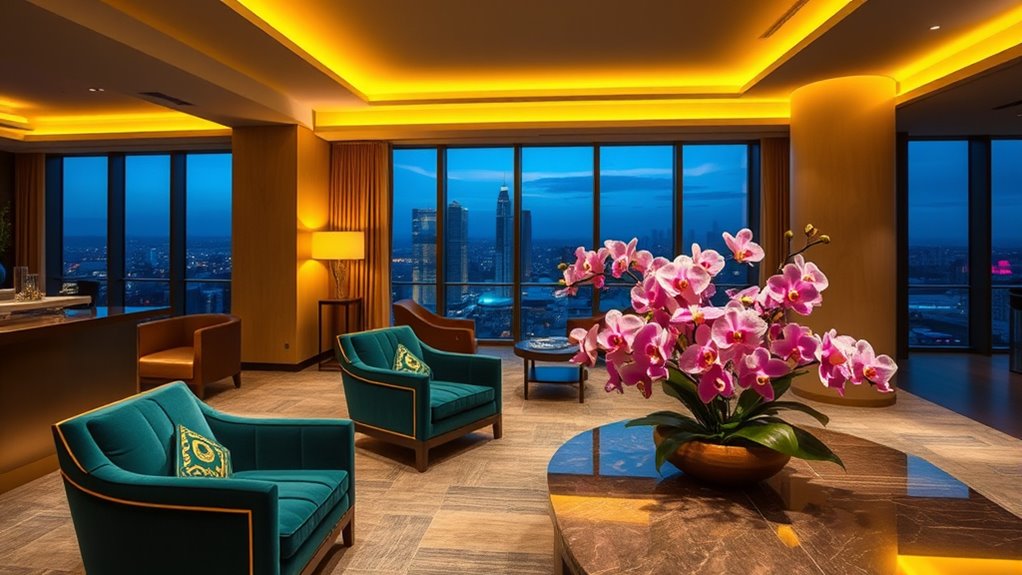
Emerging markets across Southeast Asia, Latin America, and Eastern Europe present exciting opportunities for boutique hotels seeking growth. You can tap into rising international and local tourism demand by emphasizing cultural authenticity and showcasing local craftsmanship. Regions like Thailand highlight this approach with tropical resorts in Phuket and Koh Samui that attract luxury travelers craving genuine experiences. Urban hotels in Bangkok and Chiang Mai blend modern design with traditional cultural elements, appealing to sophisticated guests. Wellness tourism also fuels demand for boutique stays offering yoga retreats, organic dining, and regional wellness practices. Incorporating authentic decor and local materials can significantly enhance the guest experience and deepen their immersion in regional culture. To stand out, adapt your offerings to local customs and architecture, deepen guest immersion, and leverage regional flavors. These strategies position you well to capitalize on expanding markets and shifting traveler preferences.
Challenges in Scaling Authenticity
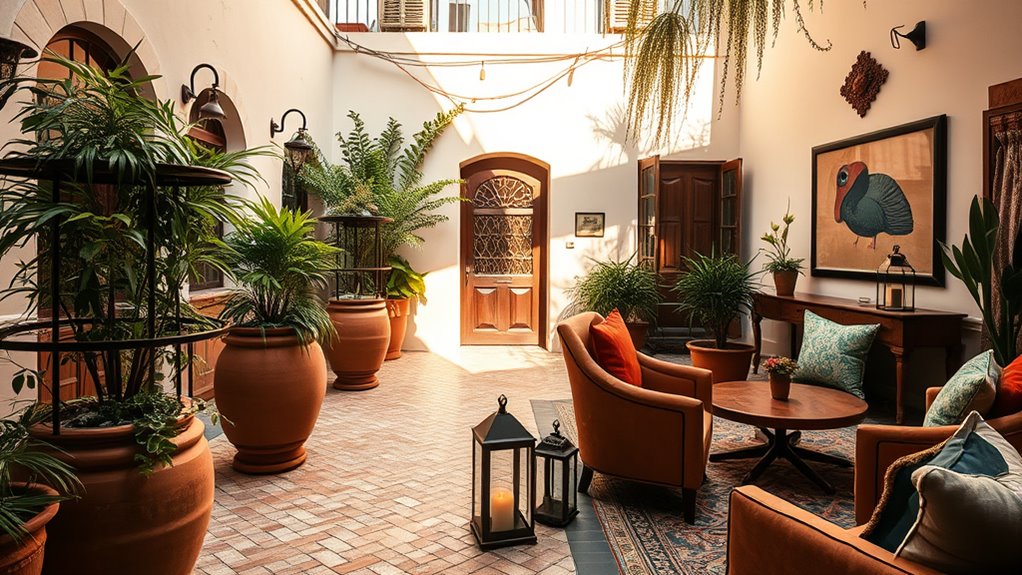
Scaling authenticity in boutique hotels presents a significant challenge because maintaining the unique local character becomes increasingly difficult as operations expand. As you grow, uniform services threaten to dilute the cultural collaboration that gives each property its soul. To preserve authenticity, consider these hurdles:
- Balancing brand consistency with spontaneous, local touches.
- Ensuring personalized guest interactions remain genuine amid automation.
- Maintaining cultural collaborations and sourcing locally across multiple locations.
- Retaining staff with deep local knowledge despite industry labor shortages.
- Incorporating astrological compatibility insights can help tailor guest experiences to diverse preferences, enriching the authenticity of each stay.
Automation and AI can streamline operations but risk depersonalizing experiences. Expanding also complicates sourcing sustainable, locally crafted materials, which are essential to authenticity. Ultimately, scaling requires careful integration of technology and culture to preserve the essence of each property’s local character.
Impact of Digital Platforms on Booking and Engagement
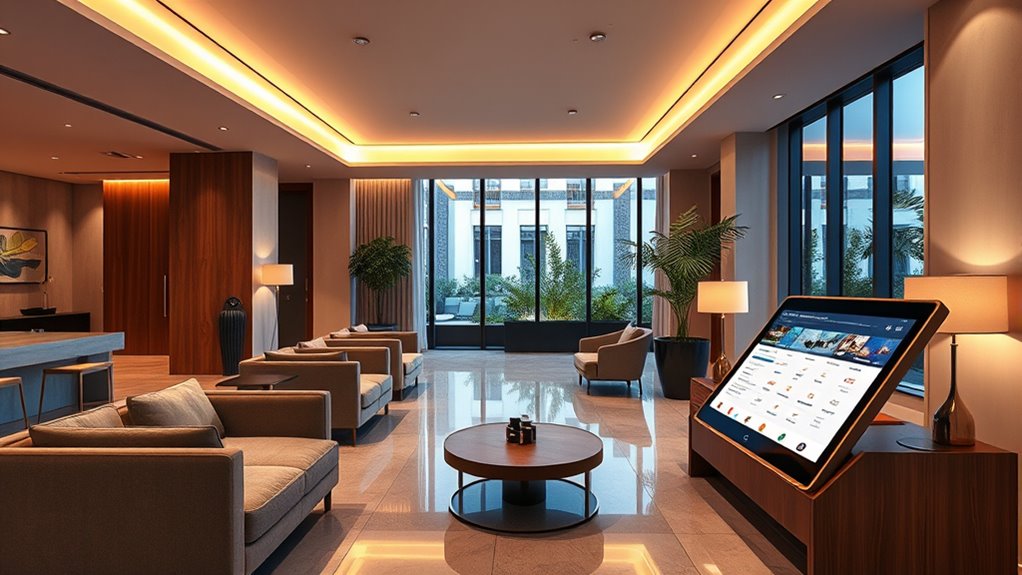
Digital platforms have revolutionized how boutique hotels attract and engage guests, making online presence more essential than ever. You now rely heavily on digital storytelling to showcase your property’s unique charm, culture, and personalized amenities, capturing potential guests’ attention before they book. Guest feedback, through reviews and ratings, plays a pivotal role in building trust and influencing decisions. Your social media profiles, virtual tours, and AI-powered recommendations streamline the booking process, making it seamless and personalized. Mobile check-ins, digital keys, and smart rooms enhance the guest experience, encouraging loyalty. Additionally, understanding nutritional balance can help in designing wellness-focused amenities and offerings for health-conscious travelers. By leveraging these digital tools, you can effectively connect with your audience, foster authenticity, and convert engagement into reservations, ensuring your boutique hotel remains competitive in the evolving landscape of personalized luxury stays.
Future Outlook for Boutique Hotel Stays
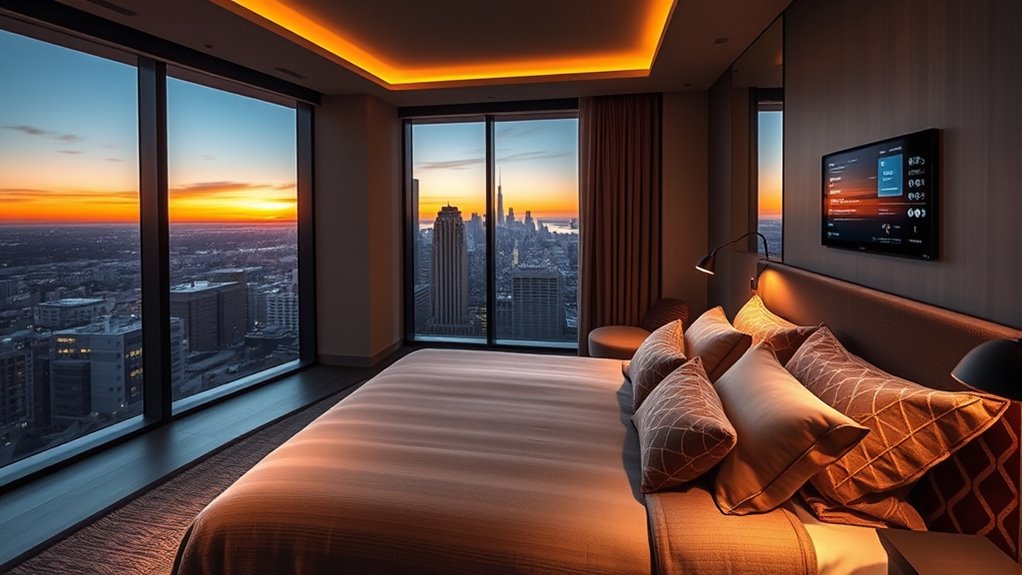
Looking ahead to 2025, the future of boutique hotel stays will be shaped by a seamless integration of personalized wellness experiences, eco-conscious practices, and advanced technology that enhances guest comfort without sacrificing the human touch. You’ll see a focus on artisan craftsmanship and cultural preservation, creating authentic, immersive stays. To stay competitive, boutique hotels will:
- Offer fully personalized, holistic wellness programs tailored to individual health goals.
- Emphasize sustainable design with local, organic materials and zero-waste initiatives.
- Balance contactless tech with warm hospitality, leveraging AI and smart tech without losing authenticity.
- Curate unique, local experiences rooted in culture, heritage, and community, appealing to discerning travelers.
- Incorporate elements of Steampunk and Victoriana design to evoke timeless elegance and craftsmanship, enriching the guest experience.
These elements will define the boutique hotel landscape, blending tradition with innovation.
Frequently Asked Questions
How Do Boutique Hotels Balance Authenticity With Scalability?
You balance authenticity with scalability by emphasizing cultural preservation and local integration, which keeps each boutique hotel unique. You focus on authentic storytelling, community collaborations, and locally sourced materials, ensuring growth doesn’t dilute character. Using technology like AI enhances personalized service without replacing human connection. Prioritizing sustainable practices also strengthens your brand’s authenticity, allowing you to expand while maintaining the emotional resonance and cultural richness that define your boutique hotel experience.
What Are the Key Factors Influencing Boutique Hotel Profitability?
You should focus on key factors like market trends and revenue management to boost boutique hotel profitability. By aligning your offerings with traveler preferences for personalized experiences, you can increase demand and RevPAR. Effective revenue management, including dynamic pricing and targeted upselling, helps maximize revenue. Controlling operational costs and leveraging technology also play vital roles. Staying adaptable to macroeconomic shifts and optimizing distribution channels ensure sustained profitability in a competitive landscape.
How Do Boutique Hotels Effectively Target Eco-Conscious Luxury Travelers?
Imagine a lush garden where every detail whispers eco-conscious luxury. You target eco-conscious travelers by highlighting your hotel’s eco-friendly amenities and sustainable branding, making your property a beacon of green innovation. Use vivid storytelling and visuals to showcase your green initiatives, like solar panels and organic linens. This approach creates trust and connection, inviting guests to indulge responsibly while enjoying personalized, luxurious experiences that reflect their values.
What Are Innovative Ways to Personalize Guest Experiences at Scale?
You can leverage AI-driven customization and guest data analytics to personalize experiences at scale. By analyzing behavior and preferences, you deliver tailored offers, recommendations, and communications in real time. Automated segmentation creates detailed guest profiles, while predictive analytics anticipate needs before arrival. Integrating these insights into apps, chatbots, and personalized packages guarantees each guest feels uniquely valued, boosting satisfaction and loyalty without sacrificing efficiency or consistency.
How Is Technology Shaping Future Boutique Hotel Design and Service Models?
Imagine a hotel where technology weaves seamlessly into every corner, transforming spaces into living, breathing experiences. Virtual Reality immerses you in personalized previews, while Smart Rooms respond to your every preference—adjusting lighting, temperature, and entertainment at a whisper. These innovations shape future boutique hotels by creating adaptive, intuitive environments that anticipate your needs, elevating comfort and service to an art form. Technology becomes your personal concierge, guiding your stay effortlessly.
Conclusion
Looking ahead to 2025, the boutique hotel scene is set to thrive as personalization and sustainability become key differentiators. You’ll find unique stays tailored just for you, blending tech and authenticity perfectly. As the market grows and digital platforms evolve, you’ll have more options than ever to indulge in luxury experiences that feel truly yours. It’s clear that the industry is on the rise, so don’t miss the boat—your next unforgettable stay awaits.
Fall Picks
fall essentials
As an affiliate, we earn on qualifying purchases.