
In HVAC scent systems, you should avoid over-scenting high-traffic areas like lobbies, waiting rooms, and restrooms. These spaces quickly become overwhelming if scented too strongly, causing discomfort or scent fatigue. Overdoing it can diminish the calming effect you’re aiming for and irritate guests or employees. Maintaining a subtle, balanced aroma is key to creating a welcoming environment. Keep an eye on these rooms to make certain your scent strategy hits the mark—more details are just ahead.
Key Takeaways
- Avoid over-scenting high-traffic areas like lobbies to prevent overwhelming guests and causing scent fatigue.
- Refrain from heavily scenting restrooms, which can lead to discomfort and perception of overpowering odors.
- Limit strong fragrances in conference or meeting rooms to maintain a professional, subtle ambiance.
- Regularly calibrate scent levels in all spaces to prevent scent overuse and ensure a welcoming environment.
- Use gentle, balanced scents in shared or enclosed rooms to avoid discomfort and maintain harmony.

Have you ever wondered how to make your indoor environment more inviting and memorable? One effective way is through HVAC scent systems, which can subtly enhance the atmosphere and leave a lasting impression. However, it’s essential to use these systems thoughtfully. Overdoing it can lead to scent overuse, where the aroma becomes overwhelming, and your space loses its comfort. This overexposure can cause fragrance fatigue, where your guests or employees start to become desensitized or even irritated by the scent. The key is to strike a delicate balance—creating a welcoming environment without overwhelming the senses.
Many people make the mistake of applying too much scent, thinking that a stronger aroma will make the space more inviting. But scent overuse quickly backfires. An overpowering fragrance can be intrusive, causing discomfort or headaches for visitors. It’s also likely to clash with other odors or ambient smells, making the environment feel chaotic rather than soothing. To avoid this, choose subtle, well-rounded fragrances that complement the space rather than dominate it. Keep the scent level at a gentle whisper rather than a shout, and always test the atmosphere before fully committing.
To maximize the effectiveness of your HVAC scent system, understanding the importance of consistent maintenance and proper calibration is essential. Fragrance fatigue is a common issue when scent systems are overused or poorly maintained. When people are exposed to a strong or persistent scent for too long, they tend to become desensitized, which defeats the purpose of scent marketing altogether. Instead of enhancing the ambiance, an overly intense scent can make the environment feel stale or suffocating. Over time, guests or employees may start to ignore the scent altogether or, worse, develop negative associations with it. To prevent this, set your HVAC scent system to maintain a consistent, light aroma that refreshes the space without overwhelming it. Regularly monitor the scent levels and adjust as needed, ensuring it remains subtle and pleasant.
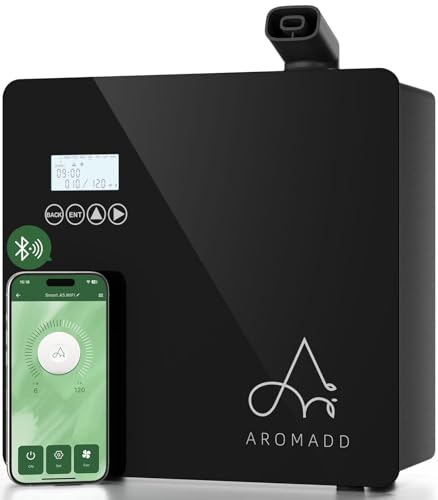
2025 Upgraded 3500 Sq.Ft Smart Scent Diffuser – HVAC System, Whole House Aroma & Hotel Collection Diffuser, Waterless Essential Oil Diffuser for Home Large Room, Cold Air Tech, 600mL (Black)
- Advanced Cold Air Diffusion: Efficient, waterless aroma dispersal
- Large Coverage Area: Covers up to 3,500 sq.ft.
- Long-Lasting Operation: Runs up to 120 days on 600ml
As an affiliate, we earn on qualifying purchases.
As an affiliate, we earn on qualifying purchases.
Frequently Asked Questions
Can Scent Systems Cause Allergic Reactions?
Yes, scent systems can cause allergic reactions if you have allergic triggers or scent sensitivities. When over-scented, these systems release strong fragrances that may irritate your respiratory system, eyes, or skin. If you’re prone to scent sensitivities, it’s best to control or avoid overly scented environments. Always check the scent levels and choose hypoallergenic options to minimize potential allergic reactions.
How Often Should Scent Refills Be Replaced?
You should replace scent refills every 30 to 60 days for maximum fragrance longevity. Studies show that improperly timed refills can lead to over-scenting, which 65% of people find overwhelming. To avoid this, monitor your refill frequency and replace them before the scent weakens or becomes overpowering. Regularly checking ensures your space smells inviting without becoming too much, creating a balanced and pleasant environment.
Are Scent Systems Suitable for Sensitive or Sick Individuals?
Scent systems may not be ideal for sensitive or sick individuals, especially if the scent intensity is high. You should consider scent customization options to lower the scent levels and reduce potential irritation. Always check if the system allows for adjustable settings, and consult with those affected before installing. If someone is very sensitive, it’s best to avoid strong fragrances altogether to prevent discomfort.
What Maintenance Is Required for HVAC Scent Systems?
To keep your HVAC scent system running smoothly, follow a regular maintenance schedule and stay vigilant with system troubleshooting. You should clean filters, replace scent cartridges or diffusers, and check for leaks or blockages every few months. Regular inspections help prevent problems and prolong system life. If issues arise, troubleshoot promptly by inspecting connections, verifying settings, and consulting your manual or a professional for precise, practical solutions.
Do Scent Systems Improve Overall Air Quality?
Scent systems can positively impact air quality by masking odors and creating a pleasant environment. However, their effectiveness depends on proper maintenance and scent selection. Over-scenting might lead to discomfort or allergen buildup, reducing air quality. To maximize benefits, use scent systems judiciously in well-ventilated areas, and choose scents that enhance air quality without overwhelming the space. This guarantees the scent system’s effectiveness and maintains a healthier environment.
Conclusion
To keep your home smelling fresh without overwhelming your senses, avoid over-scenting these three rooms—think of it like seasoning a dish: a little goes a long way. Your HVAC scent system should enhance, not overpower, the spaces you love. Pay attention to the atmosphere you create and always aim for subtlety. When used wisely, scents become a welcoming hug, not a choking cloud, making your home inviting without feeling suffocating.