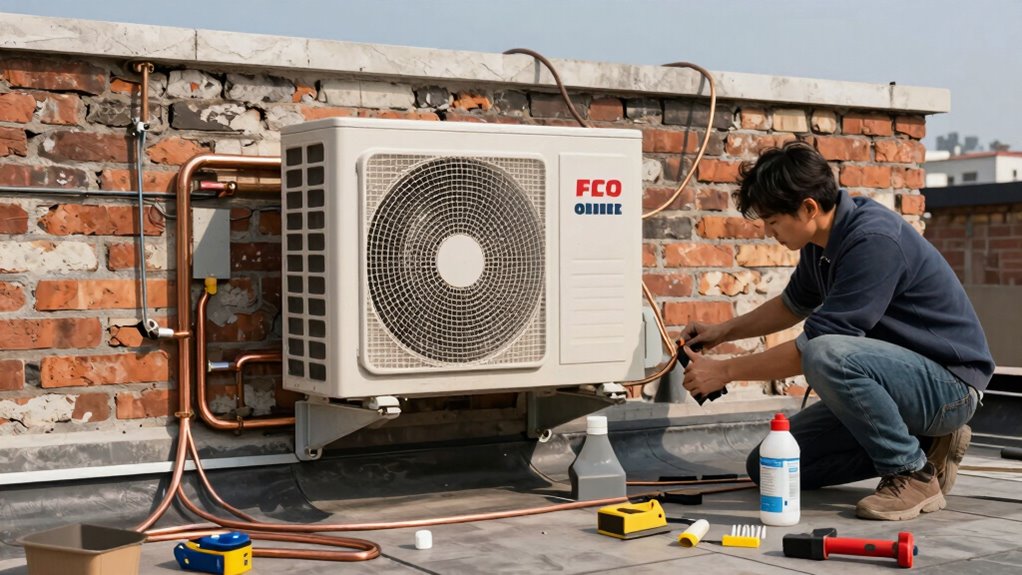

DIY mini-split installation can be brilliant if you have technical skills, follow instructions carefully, and know how to securely connect refrigerant lines and electrical wiring. It saves money and gives you control over placement. However, it’s a disaster waiting to happen if you lack experience, attempt refrigerant handling, or skip proper sealing and leveling. For those willing to learn more about when it’s a smart choice or risky, keep exploring the details.
Key Takeaways
- DIY installation is ideal for experienced homeowners comfortable with technical tasks and following detailed instructions.
- Proper placement, secure wiring, and refrigerant connections are crucial; mistakes can lead to system failure or leaks.
- Complex models requiring advanced tools or refrigerant handling are better left to professionals to avoid safety hazards.
- Post-installation maintenance, like filter cleaning and checking for obstructions, is essential to prevent costly repairs.
- When DIY efforts result in poor performance or damage, seeking professional help prevents long-term system issues.

If you’re looking to upgrade your home’s cooling and heating system without breaking the bank, installing a mini-split system yourself can be a smart choice. DIY installation offers significant savings and a sense of accomplishment. However, it’s not without its pitfalls. One of the biggest hurdles you’ll face involves installation challenges. Mini-split systems require precise placement of the indoor and outdoor units, proper refrigerant line connections, and secure electrical wiring. If you’re not comfortable working with these components, you risk making costly mistakes that could compromise the system’s efficiency or safety. For example, improper leveling of the indoor unit can cause drainage issues, leading to water leaks or mold growth. Similarly, poorly sealed refrigerant lines might cause leaks, reducing cooling or heating performance and increasing energy bills.
Another vital factor to take into account is the complexity of the installation process itself. Some models demand advanced tools and technical knowledge, especially when it comes to handling refrigerants and electrical wiring. Without proper training, you might inadvertently damage components or create safety hazards. It’s essential to carefully follow the manufacturer’s instructions, use the right tools, and double-check each connection. If you’re unsure about any step, consulting online tutorials or seeking advice from experienced DIYers can help, but sometimes calling in a professional is the smarter choice to avoid costly errors. Additionally, understanding the importance of proper refrigerant line connections can significantly impact the system’s performance and longevity.
Once you’ve completed the installation, regular maintenance becomes vital to keep your mini-split running smoothly. Maintenance tips include cleaning filters monthly to improve airflow and efficiency, inspecting outdoor units for debris or obstructions, and ensuring that refrigerant lines are sealed and undamaged. Proper upkeep can extend the lifespan of your system and prevent unexpected breakdowns. If you notice strange noises, uneven cooling, or higher energy bills, it might be time to troubleshoot or call in a professional for repairs. Neglecting maintenance can turn a DIY success story into a disaster, especially if minor issues escalate into major system failures.
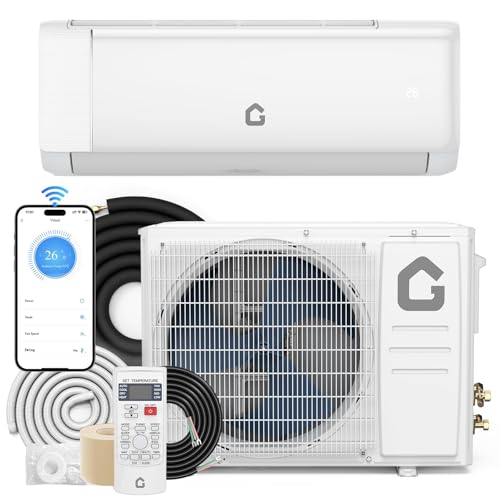
12,000 BTU Mini Split AC & Heat Pump | 115v, Inverter, Smart WiFi, DIY Install, Remote | Ultra-Quiet, Energy Efficient for 750 Sq.Ft Space
Superior Cooling & Heating: Effectively cools and heats spaces up to 750 sq. ft. with 12,000 BTU inverter…
As an affiliate, we earn on qualifying purchases.
As an affiliate, we earn on qualifying purchases.
Frequently Asked Questions
How Much Does a Mini-Split DIY Installation Typically Cost?
A DIY mini-split installation typically costs between $700 and $2,500, depending on the unit size and complexity. You’ll save on labor costs but should consider cost considerations like tools and potential repairs. If you’re unsure about your skills, professional assistance might be worth the extra expense, especially to ensure proper setup and avoid costly mistakes. Always weigh the savings against potential risks before deciding to go DIY.
What Tools Are Essential for a Successful DIY Mini-Split Install?
You need essential power tools like a drill, screwdriver, and level to guarantee a smooth mini-split DIY install. As you work, remember electrical safety precautions—use insulated gloves, turn off power at the breaker, and double-check connections. Picture yourself confidently mounting the unit, knowing these tools help you do the job right and safely. Proper tools and safety measures turn a challenging task into a rewarding project.
Can a Beginner Safely Install a Mini-Split Without Prior HVAC Experience?
As a beginner, you can attempt DIY mini-split installation, but you should prioritize DIY safety and understand that HVAC certification isn’t optional for handling refrigerants. Without prior HVAC experience, you risk improper installation or safety hazards. If you’re committed, research thoroughly, follow manufacturer instructions, and consider consulting a certified professional for critical steps. Remember, proper training guarantees safety and efficiency, making the project successful rather than disastrous.
How Long Does a Typical Mini-Split DIY Installation Take?
Think of your DIY mini-split installation like a journey through Middle-earth—adventurous but demanding. It usually takes about 4 to 8 hours, depending on your experience and home’s complexity. Keep efficiency considerations in mind; rushing can lead to mistakes that cost more time later. If you’re careful and prepared, you could complete it in a day, but patience and attention to detail are key to a successful install.
What Are Common Mistakes to Avoid During DIY Mini-Split Setup?
You should avoid common DIY mistakes like neglecting installer safety and mishandling refrigerant. Always wear protective gear and follow safety protocols to prevent injuries. Properly read instructions on refrigerant handling, as improper techniques can be dangerous and damage the unit. Make certain electrical connections are secure and avoid rushing installation, which can lead to leaks or system failure. Staying cautious and informed helps ensure a safe and effective mini-split setup.
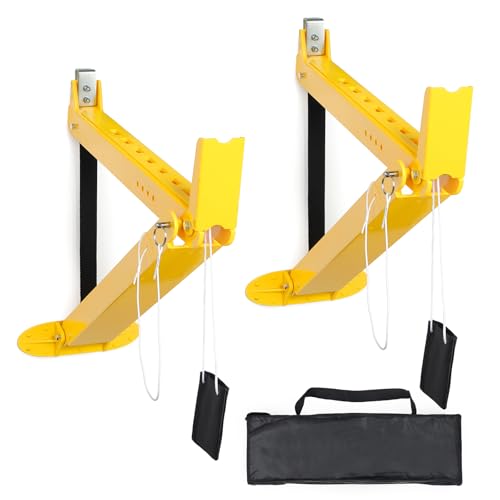
Kodilin Mighty Bracket Mini Split Support Tool Mini Split Wall Mounting Bracket, Ductless Air Conditioner Support for Indoor, Easy to Use by Single Person
WIDELY APPLICATION: This mini split wall mounting bracket is suitable for most indoor mini split air conditioning units,…
As an affiliate, we earn on qualifying purchases.
As an affiliate, we earn on qualifying purchases.
Conclusion
Now, imagine installing a mini-split yourself and saving thousands, only to realize a small leak causes months of mold. Or picture confidently completing the job, feeling proud every time you cool your room. DIY can be rewarding, but it’s a gamble—sometimes brilliant, sometimes disastrous. Weigh the risks carefully. When done right, you enjoy comfort and savings; when it goes wrong, it’s costly and stressful. Make sure you’re truly ready before taking the DIY plunge.

3 Pieces AC Manifold Gauge Hose Kit, Refrigerant Charging Hoses 1/4 SAE, 5FT AC Manifold Gauge Hose Kit for R404A R12 R502, A/C Charging Hose
𝐏𝐥𝐞𝐚𝐬𝐞 𝐍𝐨𝐭𝐞: The 3 Pieces AC Manifold Gauge Hose Kit can be used for R22, R12, R502 system,…
As an affiliate, we earn on qualifying purchases.
As an affiliate, we earn on qualifying purchases.
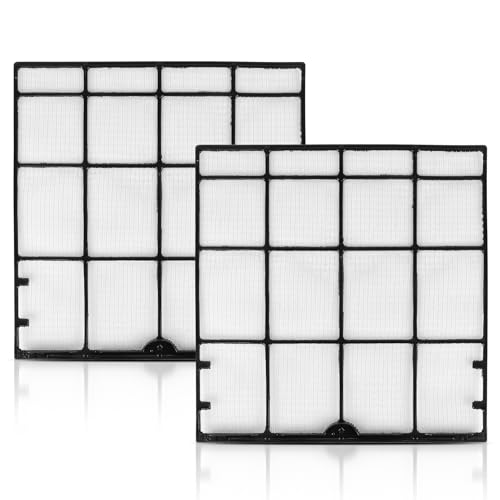
2Pcs 4007597 Mini Split Air Filter Replacement for Daikin Mini Split Units CTKS20KVMA, CTXS07LVJU, CTXS07WVJU9, 12.4'' * 11.8''
Replacement part number:4007597
As an affiliate, we earn on qualifying purchases.
As an affiliate, we earn on qualifying purchases.