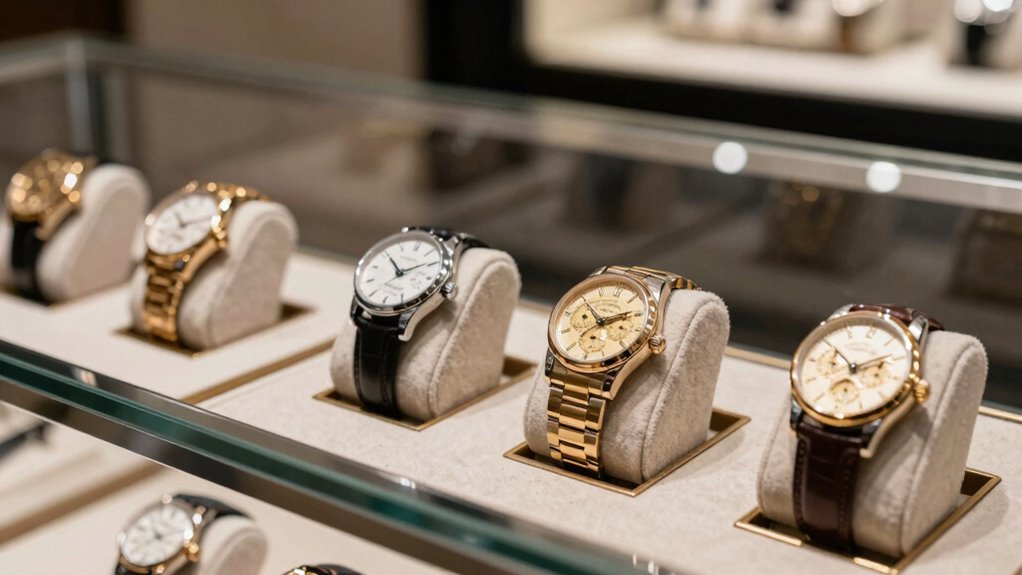
To avoid common luxury buying mistakes, always research brands, craftsmanship, and resale potential before purchasing. Don’t buy impulsively to follow trends or impress others; instead, focus on timeless, versatile pieces that add real value. Set a budget and prioritize quality over quantity. Be cautious of counterfeit items by only shopping from reputable sources. If you keep these tips in mind, you’ll make smarter, more satisfying luxury choices that stand the test of time.
Key Takeaways
- Research brand reputation, craftsmanship, and resale value before making a purchase.
- Avoid impulse buys by focusing on timeless, versatile pieces rather than fleeting trends.
- Buy only from authorized retailers to ensure authenticity and quality.
- Set a clear budget and prioritize high-quality, meaningful items over quantity.
- Approach luxury shopping strategically, considering long-term value and avoiding costly mistakes.
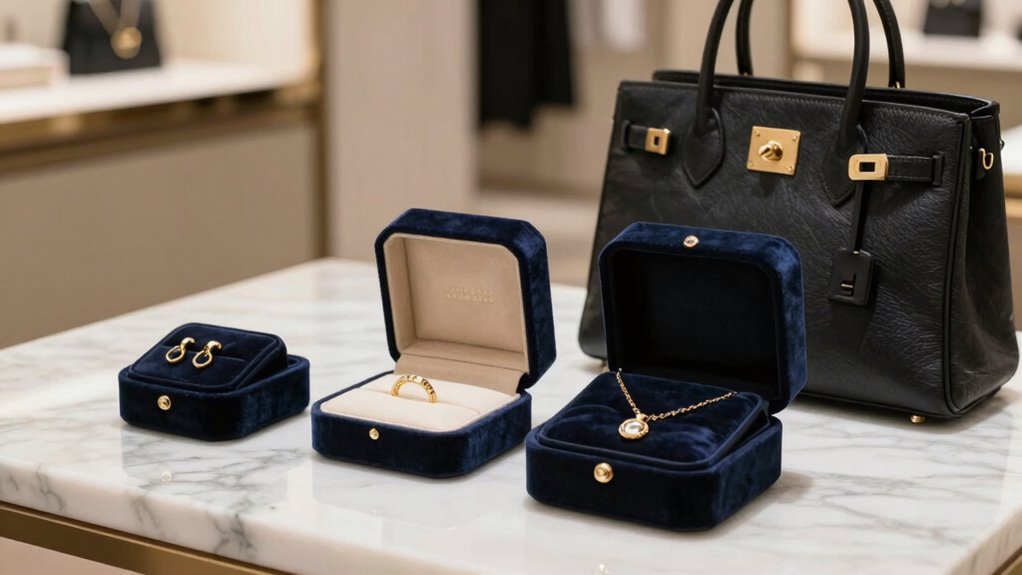
Buying luxury items can be exciting, but it’s easy to fall into common traps that can lead to regrets or overspending. One of the biggest mistakes you can make is rushing into a purchase without considering the long-term value. Luxury branding often signals quality and exclusivity, but not every designer label guarantees that the item will hold its value or suit your needs. Before buying, take time to research the brand’s reputation, craftsmanship, and resale potential. Remember, some luxury pieces are more than just fashion statements—they can be investment pieces that appreciate over time or at least retain their worth. If you’re thinking about a high-end handbag, watch, or piece of jewelry as an investment, guarantee it’s timeless, limited edition, or from a brand with a strong resale market.
Prioritize long-term value and research brands to invest in timeless, quality luxury pieces.
Another common mistake is buying impulsively to keep up with trends or to impress others. While it’s tempting to indulge in the latest luxury collections, those pieces may not stand the test of time or become staples in your wardrobe. Instead, focus on building a curated collection of investment pieces that are versatile, durable, and classic. These items will serve you well over the years and can often be resold or passed down, making them more financially sound choices. Be wary of brands that heavily market their products as must-have trend items—they tend to depreciate quickly or lose appeal once the trend fades. Additionally, understanding the importance of authenticity and quality can help you avoid costly mistakes when purchasing luxury items. Being aware of the resale market can also guide you toward choices that maintain their value long-term.
Furthermore, many fall into the trap of buying from unauthorized sellers or counterfeit sources, thinking they’re saving money. This can be a costly mistake, as fake items rarely match the quality or craftsmanship of authentic products and can damage your reputation or lead to legal issues. Always buy from authorized boutiques, reputable online retailers, or directly from the brand’s official store. Authenticity and quality are key, especially when investing in luxury branding that promises exclusivity and long-lasting appeal.
Lastly, avoid overextending your budget. Luxury shopping should be enjoyable, not stressful. Set a clear limit and stick to it. Remember, true luxury isn’t about accumulating as many pieces as possible, but about choosing a few high-quality, meaningful items. By being selective, researching thoroughly, and understanding the value of investment pieces, you can enjoy the luxury experience without falling into common pitfalls. This approach ensures your purchases remain satisfying and financially wise, turning your luxury wardrobe into a carefully curated collection of timeless, valuable pieces.
As an affiliate, we earn on qualifying purchases.
Frequently Asked Questions
How Can I Determine if a Luxury Item Is Worth the Price?
To determine if a luxury item is worth the price, consider its potential as a luxury investment and the brand’s reputation. Research how well the item retains or increases its value over time, and check reviews about the brand’s quality and exclusivity. If it aligns with your long-term goals and stands out for craftsmanship, then it’s likely a worthwhile purchase. Trust your instincts and focus on genuine value, not just status.
What Are Signs of Authentic Luxury Products Versus Counterfeits?
Did you know that counterfeit luxury goods make up about 3.3% of global trade? To spot authentic products, look for clear authenticity indicators like precise logos, high-quality materials, and meticulous craftsmanship. Counterfeit detection involves examining stitching, hardware, and serial numbers. Trust your instincts and buy from reputable sources. If something feels off or prices are too good to be true, it’s a red flag signaling a potential fake.
How Can I Avoid Impulse Luxury Purchases?
To avoid impulse luxury purchases, prioritize luxury budgeting by setting clear spending limits and sticking to them. Recognize emotional spending triggers—like stress or boredom—and delay buying decisions, giving yourself time to reconsider. Ask yourself whether you truly need the item or are just chasing fleeting excitement. By being mindful and disciplined, you’ll make more deliberate choices, ensuring your luxury investments feel meaningful rather than impulsive.
What Should I Consider About Maintenance Costs of Luxury Goods?
Imagine you’re stepping into a time machine—consider maintenance expenses before purchasing luxury goods. You should evaluate longevity considerations, like how durable the item is and the costs for repairs or upkeep over time. Luxury items often have higher maintenance costs, so factor in these ongoing expenses. Doing so helps you avoid surprises and guarantees your investment remains a source of joy rather than a financial drain.
How Do I Identify Reputable Luxury Brands and Sellers?
To identify reputable luxury brands and sellers, you need to check their brand reputation and credibility. Look for official stores, authorized dealers, or verified online platforms. Research seller credentials, reviews, and customer feedback to guarantee authenticity and quality. Trust established brands known for their craftsmanship. Avoid unfamiliar sellers offering deals that seem too good to be true, as they often sell counterfeit or subpar products.
Conclusion
Avoiding common luxury buying mistakes can save you thousands and guarantee you truly enjoy your purchases. Remember, nearly 60% of luxury buyers regret impulsive decisions, highlighting the importance of research and patience. By setting a budget, verifying authenticity, and considering long-term value, you make smarter choices. With a strategic approach, you’ll feel confident in every luxury investment, turning your purchases into genuine sources of satisfaction rather than regrets. Stay informed, stay cautious, and enjoy your luxury journey!