
TL;DR

Get travel and outdoor gear delivered free with Prime
- Fast, free delivery on millions of items
- Prime Video, Amazon Music and more included
- Member-only deals all year
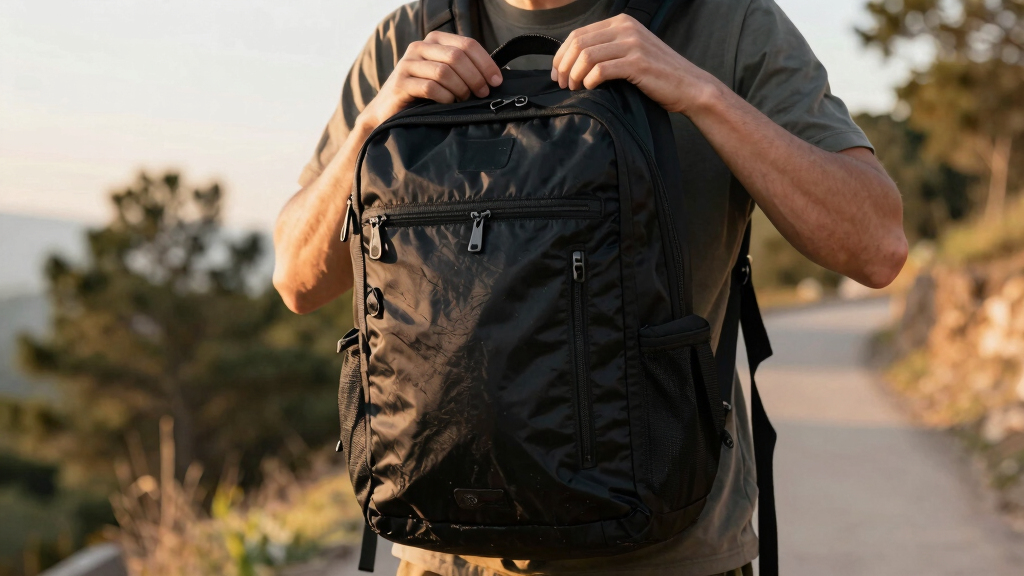
Compact travel backpacks, typically 20-40 liters, combine portability with smart organization. They meet airline size restrictions and include features like lightweight fabrics and security options. Choosing the right one depends on your travel style and needs.
Imagine packing for a weekend trip in a backpack that fits under the airplane seat, yet holds everything you need. That’s the magic of a compact travel backpack. These packs are designed to maximize space without adding bulk, perfect for quick getaways or minimalists.
With so many options flooding the market—from sleek minimalist designs to tech-savvy models—how do you pick the right one? This guide will walk you through the essentials, latest trends, and smart tips for choosing a backpack that makes travel easier and more stylish.
Choose a backpack between 20-40 liters for a perfect balance of size and capacity.
Prioritize organization features like multiple compartments, secure zippers, and RFID protection.
Water-resistant fabrics like ripstop nylon and TPU coatings boost durability and weather resistance.
Latest tech features—USB ports, solar panels, anti-theft systems—add convenience and security.
Eco-friendly backpacks made from recycled materials are now just as durable and stylish as conventional options.
What makes a travel backpack truly compact and practical?
A compact travel backpack balances size, weight, and function. It typically ranges from 20 to 40 liters—big enough to hold your essentials but small enough to meet airline carry-on limits. Think of it as a well-organized suitcase that you wear.
For example, a 30-liter pack can fit a change of clothes, a laptop, toiletries, and snacks, all while weighing less than 3 pounds. Features like padded straps, breathable back panels, and adjustable sternum straps make carrying it comfortable, even on long days of sightseeing.
Materials matter. Water-resistant ripstop nylon or recycled fabrics keep your gear dry and resist wear. Reinforced stitching and sturdy zippers add to durability, especially when you toss your pack around during travel.
Understanding these core components is essential because they directly impact your travel experience. A well-designed pack not only keeps your belongings safe but also reduces fatigue, making your journey more enjoyable. The tradeoff often lies in choosing lightweight materials that might be less resistant to rough handling, or opting for more compartments that add weight but improve organization. Balancing these factors ensures your backpack complements your travel style without becoming a burden.
compact travel backpack 20-40 liters
As an affiliate, we earn on qualifying purchases.
As an affiliate, we earn on qualifying purchases.
How to pick a compact backpack that fits all your essentials
Choosing the right pack isn’t just about size. It’s about how well it organizes your gear and whether it aligns with your travel habits. A poorly organized backpack can lead to frustration, wasted time searching for items, or even damage to your belongings. Here’s a detailed approach:
- Measure your essentials: Think clothes, tech, toiletries. Consider not just their volume but how they fit together. For example, bulky shoes or thick sweaters can take up more space, so packing smartly or choosing versatile clothing can maximize your capacity.
- Check airline restrictions: Most airlines cap carry-on size around 22 x 14 x 9 inches. Selecting a pack that fits these dimensions without forcing you to leave essentials behind is crucial. Remember, some airlines are stricter, so always check specific policies.
- Prioritize organization features: Multiple compartments, a padded laptop sleeve, and quick-access pockets aren’t just conveniences—they help prevent damage and loss. For instance, keeping electronics separate reduces the risk of scratches or spills, while quick-access pockets save time during security checks.
- Test the weight: Fill your chosen pack with your actual gear and walk around. If it feels heavy or uncomfortable after a short walk, consider a lighter model or reducing your load. Comfort during extended periods of carrying can prevent fatigue and injury.
- Assess durability and weather resistance: Your backpack should withstand the rigors of travel—think rugged zippers, reinforced stitching, and water-resistant fabrics. This reduces the risk of damage from rain or rough handling, ultimately protecting your investment and belongings.
For instance, a traveler packing for a week might select a 30-liter pack with a dedicated laundry compartment and RFID-blocking pocket. These features aren’t just about convenience—they’re about security and efficiency, ensuring your essentials are safe and organized, and your trip runs smoothly. Recognizing the implications of each feature helps you choose a pack that truly fits your needs and minimizes potential frustrations during travel.
Compare top materials for durability and weather protection
| Material | Weight | Durability | Weather Resistance |
|---|---|---|---|
| Ripstop nylon | Light | High | Good |
| Recycled polyester | Light | Moderate | Moderate |
| TPU-coated fabric | Moderate | High | Excellent |
Material choice directly impacts your backpack’s longevity and performance in various weather conditions. Ripstop nylon is favored for its lightweight yet tear-resistant qualities, making it suitable for daily use and frequent handling. Its high durability means it can withstand abrasions and rough travel environments, reducing the need for repairs or replacements. Recycled polyester offers an eco-friendly alternative, but its moderate durability suggests it might require more careful handling or additional layering for severe weather. TPU-coated fabrics provide a superior waterproof barrier, essential for unpredictable weather, but they can add weight and cost. Understanding these tradeoffs allows travelers to prioritize what matters most—whether that’s lightweight convenience, eco-friendliness, or maximum weather protection—so they can select a material that aligns with their specific journey demands and values.
Latest innovations making your backpack smarter and safer
Innovation is transforming travel backpacks from simple carriers into tech-enabled gear. Many now include built-in USB ports—just connect a power bank inside, and you’re ready to charge your phone on the go. RFID-blocking pockets protect your credit cards from skimming, adding a layer of security that’s increasingly vital in crowded tourist spots. Anti-theft zippers and hidden compartments are designed to deter pickpockets, giving you peace of mind during busy travel days.
For example, Nomatic’s backpacks feature modular compartments and waterproof zippers, allowing customization and durability. Peak Design integrates solar panels into some models, enabling you to charge gadgets in remote areas without access to outlets. These technological advancements are more than just bells and whistles—they significantly enhance your travel experience by increasing convenience, security, and adaptability. They reflect a broader trend of smart travel gear, where your backpack becomes an active part of your journey, helping you stay connected and protected regardless of your destination.
Miniature or versatile? Choosing a backpack that fits your travel style
Some backpacks are designed to be sleek and minimalist, perfect for city hopping or short trips where you want to travel light and fast. Others are versatile enough to adapt from daypack to carry-on with the right adjustments, accommodating longer trips or varied activities. Understanding your typical travel style—whether you prefer packing light for quick getaways or need more space for extended adventures—helps you select the most suitable pack.
For instance, a minimalist 20-liter pack is ideal for urban explorations or weekend trips, where every ounce counts. Conversely, a 35-liter model with expandable compartments offers flexibility for longer journeys, allowing you to pack more or carry additional gear as needed. Choosing a pack aligned with your travel habits minimizes frustration, maximizes comfort, and ensures your gear is well-organized, making your journey smoother and more enjoyable.
Eco-friendly options that don’t sacrifice quality
Eco-conscious travelers can find compact travel backpacks made from recycled materials like plastic bottles or fishing nets. Brands like Patagonia and Cotopaxi lead the way, offering durable, stylish packs that reduce environmental impact without compromising on performance. These materials often undergo specialized manufacturing processes to ensure strength and weather resistance, so travelers don’t need to sacrifice durability for sustainability.
For example, Patagonia’s Arbor Grande is made from recycled polyester and features water-resistant coatings, demonstrating that eco-friendly can also mean highly functional. Many eco-conscious brands incorporate thoughtful design elements—such as modular compartments and lightweight fabrics—that enhance packing efficiency and reduce environmental footprint. By choosing these options, travelers support sustainability while still enjoying high-quality gear, proving that responsible travel gear can meet the demands of modern journeys without compromise.
Recognizing the tradeoffs, such as potentially higher costs or the need for gentle handling, helps travelers make informed decisions that align with their values and practical needs, ensuring a positive impact on both their travel experience and the planet.
Frequently Asked Questions
What size backpack is suitable for carry-on luggage?
Most airlines follow size restrictions around 22 x 14 x 9 inches (56 x 36 x 23 cm). A backpack within these dimensions, typically 20-40 liters, makes for a perfect carry-on that fits under the seat or in the overhead bin.
How do I choose a backpack that balances size, weight, and functionality?
Start by listing your essentials, then pick a pack that fits those items comfortably. Focus on organizational features, material durability, and weight. Testing the pack with your gear helps ensure comfort during long days of travel.
Are compact backpacks suitable for long-term travel or just short trips?
It depends on your packing style. Many 30-liter backpacks can handle week-long trips if packed efficiently. For longer stays, consider packs with expandable compartments or plan to do laundry during your trip.
What are the best materials for durability and weather resistance?
Ripstop nylon and TPU-coated fabrics are top choices for lightweight durability and water resistance. Recycled polyester is eco-friendly but may require extra care to maintain weatherproofing.
Can a compact backpack fit all my essentials, including a laptop and clothing?
Yes, if you choose a pack with dedicated compartments and smart organization. For example, a 30-liter pack with a padded laptop sleeve can comfortably hold a 15-inch laptop, clothes, and toiletries.
Conclusion
In the end, a compact travel backpack isn’t just a bag—it’s your travel partner. Picking one that fits your style, needs, and values makes every trip smoother and more enjoyable. Remember, the best backpack is the one that feels like an extension of your adventure, not a burden.
So, next time you pack for a trip, think smart—choose a pack that keeps your essentials close, your belongings safe, and your journey light.
Evergreen bestsellers Picks
bestsellers
As an affiliate, we earn on qualifying purchases.