
When seeking responsible wildlife tourism, focus on experiences that prioritize animal welfare, conservation, and supporting local communities. Choose operators that follow ethical standards, avoid activities like touching or feeding animals, and promote habitat preservation. Look for verified certifications and positive reviews to guarantee authentic practices. Refrain from participating in exploitative encounters, and support initiatives that benefit wildlife and local people alike. To learn how to make ethical choices throughout your journey, explore the full guide.

Get travel and outdoor gear delivered free — and shop member deals
- Fast, free delivery on millions of items
- Access to Prime Big Deal Days deals on October 6–7
- Prime Video, Amazon Music and more included
Key Takeaways
- Prioritize observing wildlife from a safe distance without feeding or touching animals.
- Choose operators with transparent conservation efforts and ethical standards.
- Support local communities and businesses that reinvest profits into habitat and social projects.
- Avoid activities promoting animal exploitation, such as riding or performance shows.
- Research organizations beforehand, relying on reviews and certifications to ensure responsible practices.

Have you ever wondered how your wildlife adventures can make a positive impact? When you choose responsible wildlife tourism, you’re not just seeking an exciting experience—you’re actively contributing to the well-being of animals and their habitats. Responsible tourism involves engaging with wildlife in a way that’s ethical, environmentally sustainable, and minimizes harm. It’s about making mindful choices that support conservation efforts and ensure that your encounters benefit the animals rather than exploit them. By understanding the purpose behind responsible wildlife tourism, you can enjoy meaningful experiences while helping protect the very creatures you’re keen to see. This approach is part of a broader movement toward sustainable and responsible travel, emphasizing positive or neutral impacts on wildlife and local communities. Instead of prioritizing entertainment or profit, responsible tourism encourages you to support organizations and practices that prioritize animal welfare and habitat preservation.
Key principles guide responsible wildlife tourism. First, it’s about conservation. Every activity should contribute to protecting wildlife, whether directly through habitat preservation or indirectly by raising awareness. It’s vital to avoid activities that involve killing, hunting, or exploiting animals, such as unsustainable fishing or performances that force animals into unnatural behaviors. Accountability is also essential—make sure that the operators you choose have designated staff responsible for maintaining ethical standards. Transparency matters too; reputable organizations will have documented conservation plans detailing how they minimize impacts and promote sustainability. To verify your experiences align with these standards, do your research beforehand. Read reviews and testimonials from third parties to get an honest perspective of the organization’s practices. Seek out certifications from recognized conservation bodies, as these are indicators that the operator adheres to internationally accepted standards. Be wary of red flags, such as facilities that promote touching, riding, or posing with animals, which often suggest unethical practices. Social media can be a helpful tool; avoid posts that depict or endorse harmful or exploitative behaviors, and support content that promotes ethical interactions.
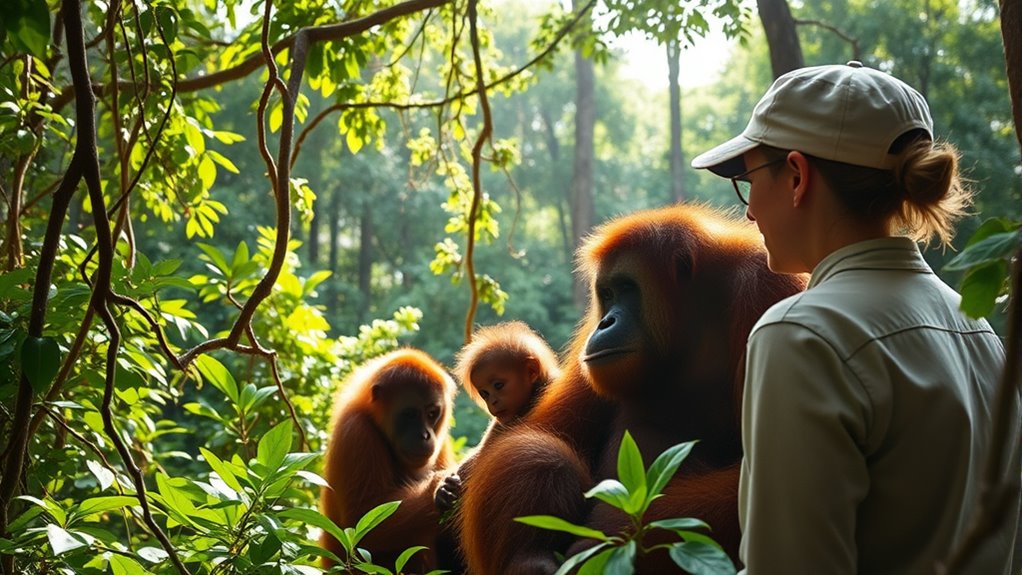
When you observe wildlife, prioritize observation over interaction. Keep a safe distance, avoid feeding or touching animals, and follow local guidelines to avoid disturbing their natural behaviors. Respect boundaries and minimize noise, flash photography, or any activity that could stress or habituate animals to human presence. Choose experiences that do not involve forced performances or unnatural behaviors, as these often harm the animals involved. Supporting conservation and local communities is fundamental. Select experiences or organizations that reinvest profits into habitat protection and local initiatives. Patronizing locally owned businesses and community-driven projects not only enriches your journey but also ensures your money benefits those directly involved in conservation efforts. Additionally, understanding the importance of habitat preservation helps emphasize the need to protect entire ecosystems, which is crucial for maintaining biodiversity and healthy wildlife populations. In doing so, you help create a cycle where wildlife and communities thrive together, making your wildlife adventures truly meaningful and impactful.
ethical wildlife observation binoculars
As an affiliate, we earn on qualifying purchases.
As an affiliate, we earn on qualifying purchases.
Frequently Asked Questions
How Can Travelers Identify Genuinely Ethical Wildlife Tours?
To identify genuinely ethical wildlife tours, you should look for operators with current, reputable certifications like Certified Wildlife Friendly™ or Blue Flag. Ask for their conservation plans, policies against harming animals, and evidence of community involvement. Check their transparency through accessible documents and reports. Avoid operators involved in hunting or exploitative practices. Choose those that prioritize education, habitat preservation, and positive wildlife impacts, ensuring your experience supports conservation and local communities.
Are There Specific Certifications for Responsible Wildlife Tourism Operators?
Did you know that over 70% of eco-conscious travelers prefer tours with recognized certifications? You can identify responsible wildlife tourism operators through certifications like the GSTC Standards, Certified Wildlife Friendly Tourism, and the American Humane Certification. These confirm the operator follows strict ethical standards, supports conservation, and promotes animal welfare. Look for these labels to guarantee your experience contributes positively to wildlife protection and local communities.
What Are the Long-Term Ecological Impacts of Wildlife Tourism?
You wonder about the long-term ecological impacts of wildlife tourism. Over time, tourism can cause habitat destruction, disrupt animal behaviors, and contribute to pollution, which threaten biodiversity and ecosystem stability. While some efforts promote conservation, unregulated tourism can lead to ecosystem imbalance and resource depletion. To protect these environments, it’s essential to implement sustainable practices, enforce regulations, and encourage responsible tourism behaviors that minimize negative effects on wildlife and habitats.
How Can Local Communities Benefit Ethically From Wildlife Tourism?
You can benefit ethically from wildlife tourism by supporting community-led initiatives that promote conservation and sustainable practices. When you participate responsibly, you help generate income that boosts local economies, funds habitat preservation, and creates jobs. Your respectful engagement fosters cultural exchange and encourages communities to value their natural resources. By choosing eco-friendly options and respecting wildlife, you guarantee your tourism benefits are positive, lasting, and align with local development and conservation goals.
What Should Travelers Do if They Encounter Unethical Practices?
Oh, what a surprise—another unethical wildlife encounter! When you see animals stressed, mistreated, or exploited, don’t just stand there in awe. Take photos discreetly, report the cruelty to authorities or NGOs, and share your findings online to warn others. Support ethical sanctuaries and refuse to participate in exploitative activities. Your actions can expose wrongdoings and help protect those animals from further harm, turning your trip into a force for good.
Conclusion
By choosing responsible wildlife tourism, you hold the power to protect incredible species and fragile ecosystems. Every ethical encounter you make isn’t just a moment of awe—it’s a ripple that can save whole habitats from extinction. Remember, your actions could be the difference between a thriving wilderness and a world where wildlife becomes a distant memory. So, step up, stay responsible, and be the hero nature desperately needs—because your choices truly shape the future of our planet.
Halloween Picks
halloween
As an affiliate, we earn on qualifying purchases.