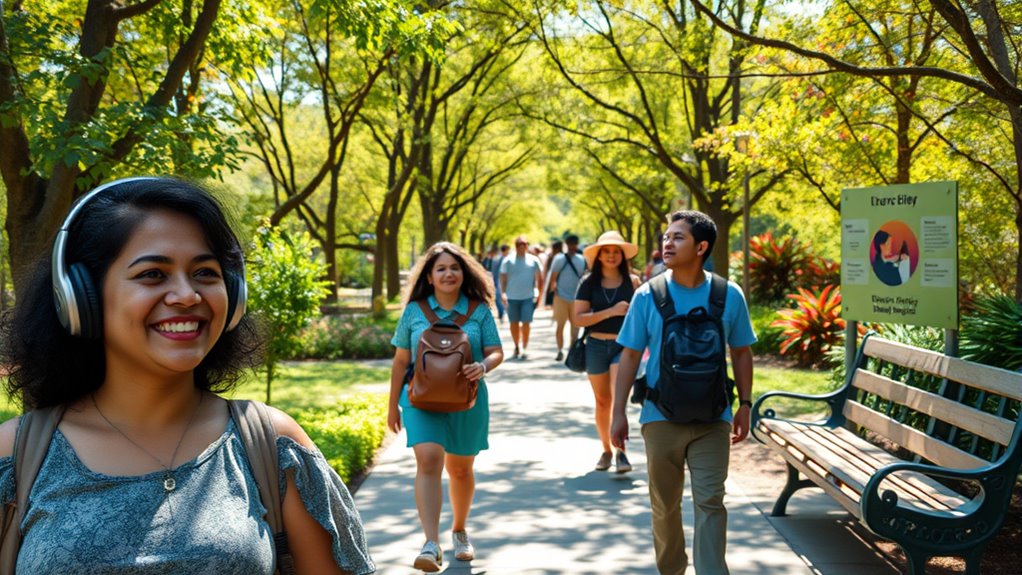

Neuroinclusive travel means designing trips that consider diverse brain processing styles, making experiences accessible and comfortable for everyone. You can find destinations with sensory-friendly amenities, quiet zones, and flexible routines that reduce overload. Planning ahead and choosing activities suited to your sensory preferences help you enjoy your trip without stress. If you want to discover more about creating truly inclusive journeys that empower all travelers, there’s much more to explore beyond this overview.
Key Takeaways
- Incorporate sensory-friendly amenities and quiet zones to accommodate diverse sensory processing needs.
- Plan activities that match individual sensory preferences and avoid overload triggers.
- Communicate and customize accommodations in advance for a safe, supportive environment.
- Design flexible routines and provide sensory tools to help travelers manage sensitivities comfortably.
- Promote inclusive environments that empower all travelers to explore independently and confidently.
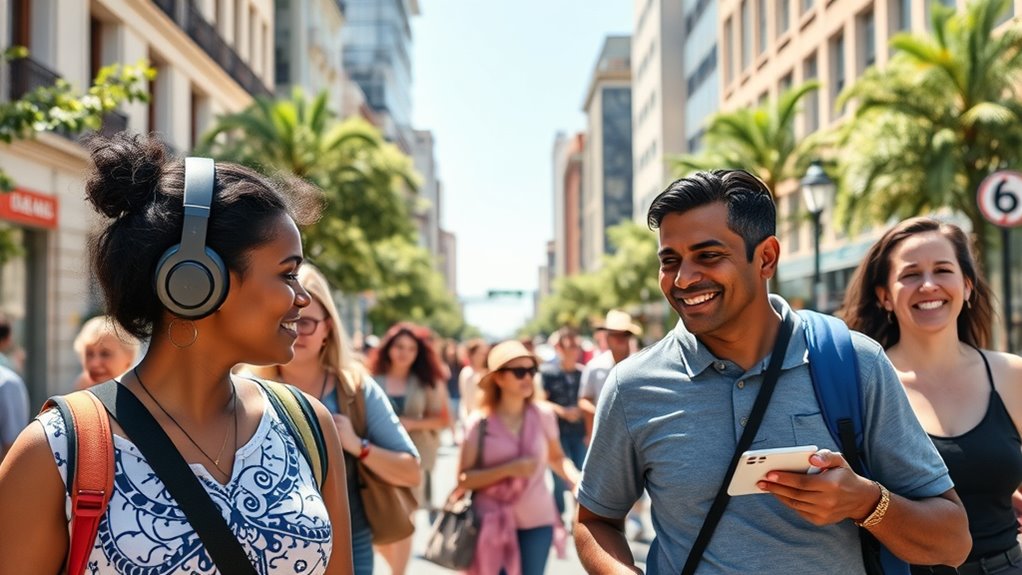
Neuroinclusive travel is about designing experiences that accommodate the diverse ways brains process information, guaranteeing everyone can enjoy and navigate new environments comfortably. When you travel with neurodiversity in mind, you recognize that sensory overload can be overwhelming for many travelers, especially those with autism. Bright lights, loud noises, crowded spaces, or unpredictable routines can turn an exciting trip into a stressful ordeal. That’s why planning ahead with autism-friendly accommodations is essential. These accommodations aren’t just about accessibility; they’re about creating a space where you feel safe and supported. For example, choosing lodging that offers quiet rooms, sensory-friendly amenities, or flexible check-in times can make a significant difference.
Understanding sensory sensitivities means you can seek out destinations that prioritize calm environments or provide designated quiet zones. Many hotels and resorts now offer sensory-friendly options, such as reduced lighting, soundproofing, and visual noise reduction. These features help prevent sensory overload and allow you to relax without feeling overwhelmed. It’s also a good idea to communicate your needs in advance. Many accommodations are happy to prepare or customize spaces to meet your comfort requirements. This proactive approach assures you’re not caught off guard by unexpected stimuli and can enjoy your stay fully.
When exploring new places, consider activities that align with your sensory preferences. Some destinations have specific times or areas designated for low-stimulation experiences, which can be especially beneficial if you’re sensitive to sensory overload. Museums, parks, and attractions that offer early access hours or sensory-friendly days let you enjoy sights and sounds without the usual crowds or noise. Equally important is having access to resources, such as information about nearby quiet spots or sensory tools you can bring along, like noise-canceling headphones or fidget toys. These items can help you self-regulate and stay comfortable during busy or stimulating moments.
Traveling with neurodiversity requires a thoughtful approach, but it’s also about embracing flexibility and advocating for your needs. When you prioritize sensory-friendly accommodations and plan around potential overload triggers, you set yourself up for a more enjoyable journey. You’re not just visiting new places; you’re creating experiences that respect your unique processing style. By choosing destinations that recognize and cater to sensory sensitivities, you can explore with confidence, knowing that your well-being is a priority. Incorporating skincare patches into your routine can help manage skin sensitivities that might arise during travel, ensuring comfort and peace of mind. Ultimately, neuroinclusive travel empowers you to see the world on your terms, making adventures accessible, enjoyable, and enriching for everyone.

2 PCS Color Sorting Sensory Toys for Toddlers: Quiet Calming Travel Roadtrip Toys for Kids – Color Matching Game for Preschool Learning Activities – Classroom Prizes Toddlers Easter Basket Stuffer
Quiet calming sensory toys: These sensory squishy toys feature silent design to eliminate annoying noise. When kids have…
As an affiliate, we earn on qualifying purchases.
As an affiliate, we earn on qualifying purchases.
Frequently Asked Questions
How Can Travel Agencies Implement Neuroinclusive Practices Effectively?
You can implement neuroinclusive practices by creating sensory-friendly environments and training your staff through specialized programs. Guarantee your spaces reduce overwhelming stimuli and offer quiet zones. Invest in staff training to increase awareness and responsiveness to diverse needs. By actively integrating these strategies, you make travel more accessible and enjoyable for all guests, fostering a welcoming atmosphere that respects neurodiversity and enhances overall customer satisfaction.
What Are the Costs Associated With Neuroinclusive Travel Accommodations?
You might think implementing neuroinclusive travel accommodations is costly, but the truth is, the cost implications are often manageable and worthwhile. Accommodation modifications, like sensory-friendly spaces or clear signage, may require initial investment but lead to happier, more inclusive experiences. These upgrades promote accessibility, attract diverse travelers, and foster loyalty. Ultimately, investing in neuroinclusive practices benefits both travelers and your business, proving that accessibility is a smart, valuable choice.
How Do Neurodiverse Travelers Find Suitable Travel Companions?
You find suitable travel companions by focusing on travel buddy selection that aligns with your needs and comfort levels. Look for friends, family, or support networks who understand neurodiversity and respect your boundaries. Communicate your preferences clearly and consider joining online communities or local groups dedicated to neurodiverse travelers. Building a strong support network helps guarantee you feel safe, supported, and confident throughout your trip.
Are There Specific Destinations Known for Neuroinclusive Tourism?
Imagine stepping into a gentle, welcoming garden where every path is tailored for your senses. Some destinations are known for their sensory-friendly environments and inclusive activity options, making your journey smoother. Places like Denmark, Japan, and parts of the UK offer sensory-friendly beaches, quiet museums, and adaptable tours. These destinations prioritize accessibility and understanding, allowing you to explore comfortably and confidently, knowing your needs are met with thoughtful, inclusive experiences.
How Can Travelers Provide Feedback to Improve Neuroinclusive Travel Experiences?
You can improve neuroinclusive travel experiences by providing detailed sensory feedback after your trips. Share what worked well and what didn’t, especially regarding sensory environments and accessibility. Filling out accessibility surveys offered by destinations or travel companies helps them understand your needs. Your honest feedback guides improvements, making future trips more inclusive and comfortable. Don’t hesitate to highlight specific sensory challenges or positive experiences to help create a more neuroinclusive travel landscape.

Soundcore by Anker Q20i Hybrid Active Noise Cancelling Headphones, Wireless Over-Ear Bluetooth, 40H Long ANC Playtime, Hi-Res Audio, Big Bass, Customize via an App, Transparency Mode (Black)
Hybrid Active Noise Cancelling: 2 internal and 2 external mics work in tandem to detect external noise and…
As an affiliate, we earn on qualifying purchases.
As an affiliate, we earn on qualifying purchases.
Conclusion
By embracing neuroinclusive travel, you open the door to a world where every mind can soar like a kite caught in a gentle breeze. Your journey becomes a vibrant tapestry, woven with understanding and compassion, where no traveler feels left behind in the shadows. When you design trips with all minds in mind, you create a symphony of experiences—each note harmonizing perfectly. Ultimately, you’re not just traveling; you’re nurturing a garden where every unique bloom can flourish.

Creativity for Kids Sensory Minis Pets Kit | Cloud Clay Sensory Toy for Kids | Easter Basket Stuffers | Mess-Free, Screen-Free Travel Activity for Kids (Ages 3+)
PAWSITIVELY PLAYFUL PETS: Meet your new favorite furry friends—a cuddly cat and a playful pup! The Pets Sensory…
As an affiliate, we earn on qualifying purchases.
As an affiliate, we earn on qualifying purchases.
quiet zones at airports or hotels
As an affiliate, we earn on qualifying purchases.
As an affiliate, we earn on qualifying purchases.