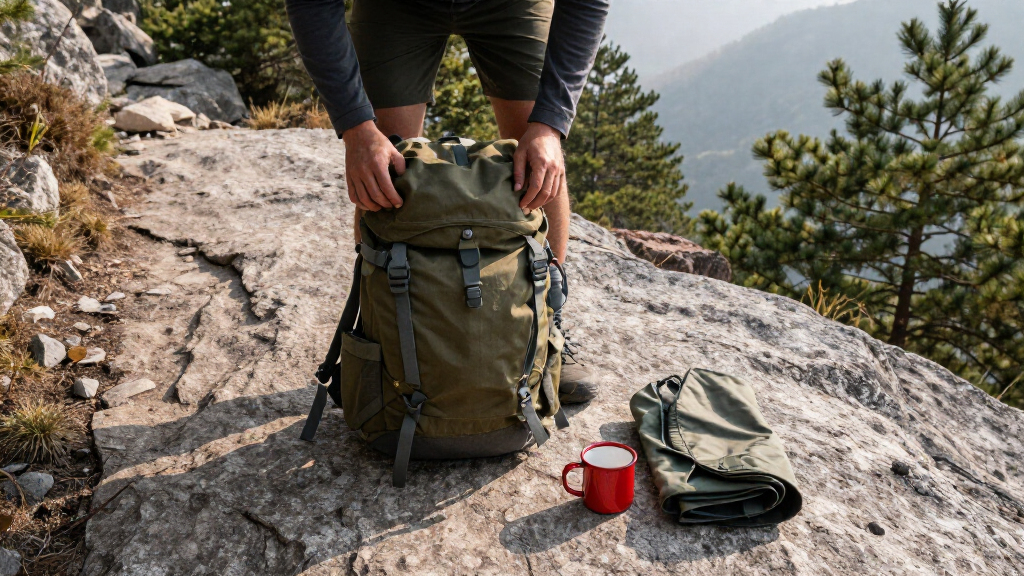

Lightweight hiking backpacks trade padding and structure for ounces, and the right pick depends on where you fall on that spectrum. The Osprey Hikelite 18L earns my best overall pick because it balances genuine suspension and back ventilation at a weight most daypacks can’t match. For travelers who need a bag that disappears into luggage, the G4Free 20L Packable and the ultra-minimal Nanobag Daypack 16L stand out for packability, while the Loowoko 50L covers multi-day trips without the weight of a traditional backpacking pack. The main tradeoffs in this category are load capacity versus comfort, and durability versus packed size. Read on for the full breakdown of all 14 packs and who each one suits best.

Get travel and outdoor gear delivered free — and shop member deals
- Fast, free delivery on millions of items
- Access to Prime Big Deal Days deals on October 6–7
- Prime Video, Amazon Music and more included
Complete the kit


Key Takeaways
- Osprey‘s two entries (Hikelite 18L and Sportlite 20L) were the only packs with true framesheet-and-ventilation suspension, which is why they dominate the top of the ranking despite weighing more than packable rivals.
- The 10L-to-20L packable segment (G4Free, Uselike, Nanobag, BECOJADDE) had the widest quality spread: shoulder strap width and fabric denier separated comfortable daily users from emergency-only backups.
- For hikers wanting a hydration-ready lightweight pack, the NEVO RHINO 12L’s included 2L bladder offsets its thinner padding — a built-in value no other pack in the lineup matches.
- Bigger isn’t more comfortable: the Loowoko 50L and Maelstrom 40L carry more gear but lack the hipbelt structure to transfer weight, so they suit base-weight-conscious hikers, not casual loaders.
- Chest straps proved the cheapest meaningful upgrade — the SKYSPER 15L/20L’s sternum strap noticeably improved stability over otherwise similar strap-only competitors.
| G4Free 10L Lightweight Packable Hiking Backpack |  | Best for Minimalist Day Hikes | Capacity: 10L | Weight: 4.59 oz | Material: Tear-resistant polyamide (nylon) | VIEW LATEST PRICE | See Our Full Breakdown |
| NEVO RHINO 12 L Lightweight Hydration Backpack with 2 L Water Bladder |  | Best for Hydration on the Move | Capacity: 12 L | Weight: 8.5 oz | Water bladder: 2 L | VIEW LATEST PRICE | See Our Full Breakdown |
| Osprey Sportlite 20L Unisex Hiking Backpack, Blue Sky |  | Best Overall for Fast-and-Light Day Hikes | Capacity: 20 L | Weight: 1 lb | Dimensions: 8.7 × 11.4 × 17.7 in | VIEW LATEST PRICE | See Our Full Breakdown |
| Loowoko 50L Hiking Backpack with Rain Cover | 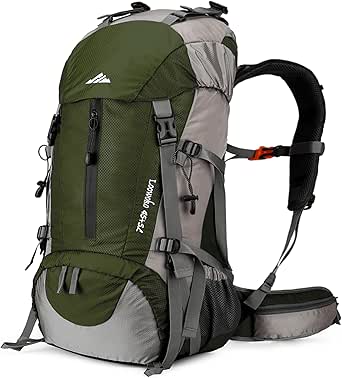 | Best for Multi-Day Trips on a Light Pack | Capacity: 50 L | Weight: 2.1 lb | Material: Polyester and nylon | VIEW LATEST PRICE | See Our Full Breakdown |
| Nanobag Daypack 16L Ultralight Packable Travel Backpack | 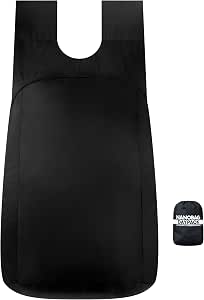 | Best Ultralight Packable Spare | Capacity: 16 L | Weight: 1.15 oz (30 g) | Dimensions: 6 × 14 × 18 in | VIEW LATEST PRICE | See Our Full Breakdown |
| G4Free 20L Lightweight Packable Hiking Backpack |  | Best Pack-and-Go Daypack | Capacity: 20 L | Weight: 0.64 lbs | Dimensions: 11.4 × 5.1 × 18.5 inches | VIEW LATEST PRICE | See Our Full Breakdown |
| LHI Military Tactical Backpack 45L Assault Pack with Molle System, Black |  | Best Heavy-Duty Hauler | Capacity: 45 L | Dimensions: 12″D x 12″W x 20″H | Weight: 1.25 kg (2.76 lbs) | VIEW LATEST PRICE | See Our Full Breakdown |
| Maelstrom 40L Hiking Backpack, Lightweight Camping Daypack with Rain Cover |  | Best Value for Full-Day Hikes | Capacity: 40 L | Material: 210D rip-stop nylon, water-resistant and tear-resistant | Included Accessory: Rain cover | VIEW LATEST PRICE | See Our Full Breakdown |
| Uselike 10L Lightweight Packable Hiking Daypack (Teal Blue) |  | Best Minimalist Sling-Along | Capacity: 10 L | Weight: 0.73 lbs | Dimensions: 15.5 x 9 x 3.5 inches | VIEW LATEST PRICE | See Our Full Breakdown |
| SKYSPER Small Hiking Backpack 20L Lightweight Daypack |  | Best Organized Day Hiker | Capacity: 20 L | Weight: 1.1 lbs (550 g) | Dimensions: 10.3 x 7.4 x 16.9 inches | VIEW LATEST PRICE | See Our Full Breakdown |
| 15L Packable Hiking Daypack, Lightweight Foldable Travel Backpack |  | Best for On-the-Go Access | Capacity: 15L | Dimensions: 17.3 x 10.6 x 5.5 inches | Folded Size: 8.3 x 7.5 x 6.3 inches | VIEW LATEST PRICE | See Our Full Breakdown |
| BECOJADDE 15L Foldable Packable Hiking Daypack, Beige |  | Best Value Packable | Capacity: 15L | Unfolded Dimensions: 17.7 x 11 x 5.1 inches | Folded Dimensions: 7 x 6.3 inches | VIEW LATEST PRICE | See Our Full Breakdown |
| SKYSPER 15L/20L Foldable Hiking Backpack Lightweight Packable Travel Daypack with Chest Strap |  | Best Compact Everyday Carry | Capacity: 15L/20L | Dimensions (open): 16.9 x 10.8 x 4.7 inches | Dimensions (folded): 7.9 x 6.7 inches | VIEW LATEST PRICE | See Our Full Breakdown |
| Osprey Hikelite 18L Hiking Backpack, Tan, One Size |  | Best Premium Day Hike Pick | Capacity: 18L | Color: Tan | Suspension: AirSpeed with LightWire frame | VIEW LATEST PRICE | See Our Full Breakdown |
| lightweight hiking backpack | Capacity | Material | Weight | Dimensions |
|---|---|---|---|---|
| G4Free 10L Lightweight Packabl | 10L | Tear-resistant polyamide (nylon) | 4.59 oz | — |
| NEVO RHINO 12 L Lightweight Hy | 12 L | — | 8.5 oz | — |
| Osprey Sportlite 20L Unisex Hi | 20 L | Nylon; made from 100% recycled materials | 1 lb | 8.7 × 11.4 × 17.7 in |
| Loowoko 50L Hiking Backpack wi | 50 L | Polyester and nylon | 2.1 lb | — |
| Nanobag Daypack 16L Ultralight | 16 L | Premium diamond ripstop nylon | 1.15 oz (30 g) | 6 × 14 × 18 in |
| G4Free 20L Lightweight Packabl | 20 L | Water-repellent Taslan nylon | 0.64 lbs | 11.4 × 5.1 × 18.5 inches |
| LHI Military Tactical Backpack | 45 L | 900D Oxford nylon (polyester) | 1.25 kg (2.76 lbs) | 12"D x 12"W x 20"H |
| Maelstrom 40L Hiking Backpack | 40 L | 210D rip-stop nylon, water-resistant and tear-resistant | — | — |
| Uselike 10L Lightweight Packab | 10 L | Water-resistant nylon | 0.73 lbs | 15.5 x 9 x 3.5 inches |
| SKYSPER Small Hiking Backpack | 20 L | 600D polyester / 210D nylon plaid, water-resistant | 1.1 lbs (550 g) | 10.3 x 7.4 x 16.9 inches |
| 15L Packable Hiking Daypack | 15L | Water-washed nylon | 13.4 oz | 17.3 x 10.6 x 5.5 inches |
| BECOJADDE 15L Foldable Packabl | 15L | Tear-resistant, scratch-resistant fabric | — | — |
| SKYSPER 15L/20L Foldable Hikin | 15L/20L | Polyester | 0.75 lb | — |
| Osprey Hikelite 18L Hiking Bac | 18L | — | — | — |
More Details on Our Top Picks
G4Free 10L Lightweight Packable Hiking Backpack
For short hikes where I want a spare layer, snacks, and a few essentials without carrying a full-size daypack, the G4Free 10L keeps the load exceptionally light at 4.59 oz. Its tear-resistant nylon and two zippered compartments offer more structure than the Nanobag Daypack 16L, while its compact pouch makes it easier to stash between outings. That small capacity is the main limit: it leaves little room for bulky clothing or a substantial meal. The fabric is water-resistant, so I would still protect contents in sustained rain. I’d choose this for a brief outing or as a travel spare; hikers needing hydration storage or more room should look to the NEVO RHINO 12 L or Osprey Sportlite 20.
Pros:- Weighs just 4.59 oz
- Folds into a compact pouch for travel or storage
- Tear-resistant polyamide fabric
- Two zippered compartments and two side mesh pockets
Cons:- 10L capacity leaves little room for bulky gear
- Water-resistant fabric is not fully waterproof
Best for: Hikers who want a very light, packable bag for short walks with a few essentials
Not ideal for: Day hikers carrying extra layers, bulky food, or a hydration system, since 10L limits both capacity and carrying options
- Capacity:10L
- Weight:4.59 oz
- Material:Tear-resistant polyamide (nylon)
- Compartments:2 zippered compartments
- Side pockets:2 mesh pockets
- Zippers:SBS
- Packability:Folds into a compact pouch
- Water resistance:Water-resistant
Our verdict“Choose the G4Free 10L for short, light outings when packability matters more than room for extra gear.”
NEVO RHINO 12 L Lightweight Hydration Backpack with 2 L Water Bladder
The NEVO RHINO 12 L suits hikes and rides where drinking without stopping matters more than carrying a broad mix of gear. Its included 2 L PEVA bladder adds ready-to-use hydration, a clear advantage over the G4Free 10L, which is lighter but has no bladder. At 8.5 oz, this remains light while adding adjustable straps and a breathable mesh back. The 12L capacity still calls for a restrained packing list, and the description gives unclear details about pocket placement, so I would not choose it for carefully organized loads. Its fabric is described as waterproof, but the other options may be a better fit when capacity or established pack structure matters more. This pick makes the most sense for active outings built around water access.
Pros:- Includes a 2 L BPA-free PEVA water bladder
- Light 8.5 oz listed weight
- Adjustable shoulder and chest straps
- Breathable mesh back and multiple storage pockets
Cons:- 12L capacity limits room for clothing and larger supplies
- Pocket placement details are unclear in the product description
Best for: Hikers, runners, and cyclists who want a compact pack with a bladder included
Not ideal for: Hikers who need generous cargo room or clearly specified pocket organization for layered gear
- Capacity:12 L
- Weight:8.5 oz
- Water bladder:2 L
- Bladder material:BPA-free, food-grade PEVA
- Pack material:PU-coated nylon
- Shoulder strap adjustment:19–34 in
- Chest strap adjustment:2.4–7.9 in
- Load capacity:25 lb
- Back panel:Breathable mesh
Our verdict“Choose the NEVO RHINO when an included bladder and hands-free drinking matter more than extra cargo capacity.”
Osprey Sportlite 20L Unisex Hiking Backpack, Blue Sky
The Osprey Sportlite 20 is my most balanced pick for a full day on trail: at 1 lb, it offers twice the capacity of the G4Free 10L while adding an AirScape backpanel and stable suspension for a more composed carry. Its hydration sleeve, compression straps, and sternum strap with rescue whistle make the extra space useful without turning the pack into a bulky load hauler. The minimalist layout has just one main compartment, so it is less suited to hikers who want separate storage zones; the NEVO RHINO 12 L is more focused on carrying water access from the start. Water resistance is useful for light exposure, but not a substitute for rain protection. I’d pick this for day hikers carrying layers and essentials who still want to move light.
Pros:- 20L capacity at a listed weight of 1 lb
- AirScape backpanel and stable suspension
- Internal hydration sleeve with dual shoulder exit ports
- Made from 100% recycled materials
Cons:- One main compartment limits separation of gear
- Water-resistant rather than fully waterproof
- Hand-wash-only care
Best for: Fast-and-light day hikers who carry layers, food, and hydration but want a streamlined pack
Not ideal for: Hikers who need extensive compartmentalized organization or a packable spare that disappears into luggage
- Capacity:20 L
- Weight:1 lb
- Dimensions:8.7 × 11.4 × 17.7 in
- Pockets:4
- Compartments:1
- Material:Nylon; made from 100% recycled materials
- Hydration:Internal hydration sleeve
- Special features:Quick-release compression straps, blinky light attachment, sternum strap rescue whistle
- Care:Hand wash only
Our verdict“Choose the Sportlite 20 for a light but supportive daypack with room for the essentials and spare layers.”
Loowoko 50L Hiking Backpack with Rain Cover
For a multi-day trip, the Loowoko 50L offers the most carrying room in this group while keeping its listed weight to 2.1 lb. That is a different job from the Osprey Sportlite 20: the Osprey is better suited to a streamlined day out, while this Loowoko has space for several days of supplies, a shoe separator, six external pockets, and attachment points for larger gear. The included rain cover adds a useful layer of protection when weather turns. The key tradeoff is its frameless design, which may feel less supportive with heavy loads; its generous volume can also invite overpacking. I’d choose it for hikers prioritizing capacity and a rain cover at low pack weight, but skip it if carrying a heavy load comfortably is the first concern.
Pros:- 50L capacity at a listed weight of 2.1 lb
- Waterproof rain cover stores in a bottom pouch
- Six external pockets plus a shoe separator
- Compression straps and attachment points accommodate extra gear
Cons:- No internal frame, limiting support for heavy loads
- The large capacity can be excessive for day hikes
Best for: Budget-conscious multi-day hikers who need 50L of storage and a rain cover for a 3–5 day trip
Not ideal for: Hikers carrying very heavy loads who need the support of an internal frame
- Capacity:50 L
- Weight:2.1 lb
- Material:Polyester and nylon
- Frame:No internal frame
- Rain cover:Included; stored in bottom pouch
- External pockets:6
- Main compartment:Large, with shoe separator
- Care:Machine wash
Our verdict“Choose the Loowoko for multi-day trips when high capacity and low listed pack weight outweigh frame support.”
Nanobag Daypack 16L Ultralight Packable Travel Backpack
At just 1.15 oz, the Nanobag Daypack 16L is the easiest option here to keep tucked in a pocket or purse for an unplanned walk or an extra carry bag. It has more stated capacity than the G4Free 10L while weighing far less, and its attached pouch and wide shoulder straps make it convenient for travel. The tradeoff is an extremely thin fabric and a single compartment: it prioritizes low carry weight over structure and organized access. Its stated 66 lb maximum load does not change that lightweight construction may be less suited to rough, repeated use. Water-repellent coating can shed light moisture, but it is not waterproof. I’d pack it as a backup or use it for light day outings; regular rugged hiking favors a more substantial pack such as the Osprey Sportlite 20.
Pros:- Extremely light at 1.15 oz (30 g)
- 16L capacity and packs into its attached pouch
- Wide shoulder straps
- YKK zipper and PFC-free water-repellent coating
Cons:- Ultra-thin fabric may be less suited to rugged, repeated use
- Single compartment offers minimal organization
- Water-repellent coating is not fully waterproof
Best for: Travelers and occasional hikers who want a pocketable spare pack for light loads
Not ideal for: Frequent hikers on rugged trails who need durable fabric, structured support, or separated storage
- Capacity:16 L
- Weight:1.15 oz (30 g)
- Dimensions:6 × 14 × 18 in
- Material:Premium diamond ripstop nylon
- Maximum load:66 lb (30 kg)
- Compartments:1
- Zipper:YKK
- Water resistance:Water-repellent PFC-free coating
- Care:Hand wash only
Our verdict“Choose the Nanobag as a pocketable spare for light outings, and choose a more structured pack for regular trail use.”
G4Free 20L Lightweight Packable Hiking Backpack
This option stands out for travelers who want a daypack that disappears into luggage when not needed. At 0.64 lbs and folding down to roughly the size of a paperback, it undercuts the SKYSPER Small Hiking Backpack 20L on weight by nearly half, making it the smarter carry-on companion for trips where a full hiking pack stays home. The water-repellent Taslan nylon and thoughtful pocket layout — including strap pockets that most packable packs skip — give it more daily utility than the bare-bones Uselike 10L. The tradeoff is honest: this fabric handles a light drizzle, not a sustained downpour, and 20 liters fills up fast once you add layers and lunch. Compared with the Maelstrom 40L, there is no hip belt or rain cover, so it belongs on short, fair-weather outings rather than all-day missions.
Pros:- Folds into its own inner pocket for true packable storage
- Featherweight at 0.64 lbs, lighter than comparable 20L packs
- Multiple pockets including shoulder strap pockets for quick access
- Adjustable chest strap improves stability on the move
Cons:- Water repellency is rated for light rain only, with no rain cover included
- 20-liter capacity limits gear for longer or colder hikes
Best for: Travelers and casual day hikers who need a pack that folds into a suitcase and serves as a light daily carry at the destination
Not ideal for: All-weather hikers or anyone hauling more than basics — the water resistance is light-rain only and the capacity is tight
- Capacity:20 L
- Weight:0.64 lbs
- Dimensions:11.4 × 5.1 × 18.5 inches
- Folded Size:6.3 × 7.1 inches
- Material:Water-repellent Taslan nylon
- Storage:Main compartment, 2 inner pockets, front zippered pocket, 2 side pockets
- Straps:Adjustable mesh shoulder straps and movable chest strap
Our verdict“Buy this if you want the lightest foldable 20L option for travel and short hikes; skip it if you need weatherproofing or all-day capacity.”
LHI Military Tactical Backpack 45L Assault Pack with Molle System, Black
Where every other pack in this lineup chases grams, this one chases raw durability. The 900D Oxford nylon shell, double stitching, and heavy-duty zippers make it far tougher than the ripstop nylon of the Maelstrom 40L, which trades fabric thickness for weight savings. The Molle webbing is the real differentiator: you can bolt on pouches, a first-aid kit, or a water bottle holder, effectively growing the 45L capacity as needed. The ventilated, padded back panel and shoulder harness also make it more comfortable under heavy loads than soft packs like the G4Free 20L, which has no structure at all. The price of that toughness is weight — at 1.25 kg it is roughly double the Maelstrom’s heft class — plus a stiff, non-stretch fabric that resists overstuffing and a wipe-clean-only care routine.
Pros:- Bombproof 900D Oxford nylon with double stitching and heavy-duty zippers
- Molle webbing allows extensive modular pouch attachment
- Ventilated padded back and straps handle heavy loads comfortably
- Versatile enough for 3-day trips, bug-out use, or daily commuting
Cons:- Heavy for a hiking-focused pack at 1.25 kg, the opposite of ultralight
- No fabric stretch limits flexible or oversized loads
- Hand-wipe cleaning only, not machine washable
Best for: Hikers, preppers, and multi-day adventurers who prioritize rugged construction and modular expansion over minimal weight
Not ideal for: Ultralight day hikers and travelers — the tactical bulk and weight defeat the purpose of a featherweight pack
- Capacity:45 L
- Dimensions:12″D x 12″W x 20″H
- Weight:1.25 kg (2.76 lbs)
- Material:900D Oxford nylon (polyester)
- Pockets / Compartments:7 pockets, 5 compartments
- Special Features:Molle system, hydration bladder holder, laptop compartment
- Water Resistance:Water repellent
- Care:Wipe with damp cloth
Our verdict“This pick makes the most sense for buyers who load heavy and need military-grade durability; gram-counting day hikers should look elsewhere.”
Maelstrom 40L Hiking Backpack, Lightweight Camping Daypack with Rain Cover
This model is better suited to long day hikes and overnight pushes than anything else in this price tier, mainly because it bundles features that competitors charge extra for. The included rain cover stored in the bottom pocket immediately outclasses the G4Free 20L, whose water resistance gives out in sustained rain, and the waterproof wet pocket keeps sweaty clothes or a soaked shell isolated from dry gear. The padded straps and adjustable hip belt transfer weight to the hips — something neither the G4Free nor the Uselike 10L offers — which matters once you carry 20-plus liters of load. Small touches like the hydration sleeve, trekking pole cords, and a survival whistle in the chest buckle add genuine trail value. The catch: 40 liters is overkill for a two-hour local walk, and the unlisted weight means its ‘lightweight’ claim rests on faith rather than specs.
Pros:- Included rain cover stowed in a dedicated bottom pocket
- 40L capacity with a waterproof wet pocket for separating damp gear
- Hip belt and padded straps shift weight off the shoulders
- Hydration compatibility, trekking pole attachments, and survival whistle buckle
Cons:- Capacity is oversized for everyday or short-trip use
- No listed weight, so the lightweight claim cannot be verified
Best for: Value-minded hikers doing full-day or light overnight trips who want a rain cover and hip belt without paying premium prices
Not ideal for: Short-walk users and carry-on-only travelers — the 40L size is cumbersome for quick outings
- Capacity:40 L
- Material:210D rip-stop nylon, water-resistant and tear-resistant
- Included Accessory:Rain cover
- Compartments:Main compartment, top zipper pocket, 2 front pockets, 2 waist zipper pockets, 2 mesh side pockets, waterproof wet pocket
- Features:Hydration bladder compatibility, headphone hole, reflective prints, trekking pole cords, survival whistle chest buckle
- Fit System:Padded shoulder straps with adjustable hip belt
Our verdict“The strongest value for all-weather, all-day hikers; buyers wanting a verified ultralight pack should check the spec sheet first.”
Uselike 10L Lightweight Packable Hiking Daypack (Teal Blue)
For buyers who find even a 20L pack excessive, this is the smallest true hiking daypack in the lineup. It carves out a niche the G4Free 20L does not attempt: a just-essentials bag for water, a snack, and a shell, weighing 0.73 lbs and folding to the size of a folded shirt. What sets it apart from generic 10L sacks is the shoulder-strap phone pouch and anti-theft pocket — small conveniences that matter when the main compartment is too tiny to dig through. The SBS zipper is smoother and more reliable than the generic zippers on most ultra-compact packs. Compared with the Nanobag Daypack 16L, it trades capacity for a more supportive carry thanks to the chest strap with survival whistle. The flip side is a thin, quick-drying fabric that will scuff on granite or catch on branches without much protest.
Pros:- Ultra-lightweight at 0.73 pounds with a compact 6.5 x 7.5 inch folded size
- Shoulder-strap phone pouch and anti-theft pocket for secure quick access
- Water-resistant, quick-drying nylon with a smooth SBS zipper
- Chest strap with built-in survival whistle for safety
Cons:- 10L capacity barely fits more than essentials
- Thin fabric is not suited to rugged, abrasive terrain
Best for: Minimalist hikers, runners, and sightseers who carry only essentials and want a pack that vanishes into a pocket or purse
Not ideal for: Anyone carrying layers, food, and water for a full day — the 10L volume and delicate fabric will not keep up
- Capacity:10 L
- Weight:0.73 lbs
- Dimensions:15.5 x 9 x 3.5 inches
- Folded Size:6.5 x 7.5 inches
- Material:Water-resistant nylon
- Zipper:SBS
- Color:Teal Blue
Our verdict“The right choice for ounce-counters making short trips; a full-day hiker will outgrow it within an hour.”
SKYSPER Small Hiking Backpack 20L Lightweight Daypack
This pick makes the most sense for hikers whose priority is organization and on-trail safety features rather than absolute minimum weight. With 10 pockets and 7 compartments, it out-organizes both the G4Free 20L and the Uselike 10L, and its anti-theft zipper adds security the G4Free lacks. It is also the only pack here that ships with a safety whistle and an emergency rescue guide, a thoughtful touch for solo hikers or families with kids on trail. The breathable ergonomic back panel gives it real structure that floppy packable bags cannot match, making it more comfortable on longer walks than the G4Free — though at 1.1 lbs it is noticeably heavier. Its 7 kg load ceiling is the hard limit to respect: unlike the LHI Tactical 45L, this frame will not tolerate heavy hauling, and the hand-wash-only care is a minor ongoing chore.
Pros:- Ten pockets and seven compartments keep gear neatly sorted
- Anti-theft zipper secures valuables in crowds and on transit
- Breathable ergonomic back panel with structured support
- Includes safety whistle, emergency rescue guide, and trekking pole attachments
Cons:- Maximum load recommendation of just 7 kg limits heavier loads
- Heavier than packable rivals at 1.1 lbs
- Hand wash only
Best for: Organization-minded day hikers and families who want secure pockets, safety features, and a structured back for half-day trails
Not ideal for: Heavy haulers and overnight users — the 7 kg maximum load and 20L volume cap what it can realistically carry
- Capacity:20 L
- Weight:1.1 lbs (550 g)
- Dimensions:10.3 x 7.4 x 16.9 inches
- Material:600D polyester / 210D nylon plaid, water-resistant
- Pockets / Compartments:10 pockets, 7 compartments
- Max Load:7 kg
- Features:Anti-theft zipper, chest strap with safety whistle, trekking pole attachments
- Care:Hand wash only
Our verdict“The best 20L choice for hikers who value pocketry and trail-safety extras over foldability; over-packers should size up to the Maelstrom 40L.”
15L Packable Hiking Daypack, Lightweight Foldable Travel Backpack
Most packable dayparks bury your phone at the bottom of a compartment; this one puts a zippered phone pocket right on the shoulder strap, fitting devices up to 7 inches. For walkers who navigate by map app or snack constantly, that design choice saves the constant stop-and-dig routine. Compared with the SKYSPER 15L/20L, which offers similar pocket counts but a conventional layout, this pack leans harder into quick-access organization with five compartments, a hidden back security pocket, and an expandable front pocket. Build quality holds up too: SBS zippers, reflective strips, and water-washed nylon that survives machine washing. The tradeoff is that it weighs 13.4 oz — heavier than the Nanobag 16L — and 15L fills up fast once you add a layer and lunch. Water resistance only goes so far in sustained rain.
Pros:- Shoulder-strap phone pocket fits devices up to 7 inches for grab-and-go access
- Five compartments plus hidden back security pocket keep gear organized
- SBS zippers, reinforced stitching, and reflective safety strips punch above the price of typical packables
- Folds to roughly 8 x 7 inches for stashing in luggage
Cons:- 15L capacity limits full-day or layer-heavy outings
- Water resistant rather than fully waterproof, so sustained rain soaks through
Best for: Day hikers and travelers who want phone and snacks reachable without breaking stride
Not ideal for: Anyone carrying bulkier loads — 15L fills quickly, and the water-resistant fabric won’t protect gear in heavy rain
- Capacity:15L
- Dimensions:17.3 x 10.6 x 5.5 inches
- Folded Size:8.3 x 7.5 x 6.3 inches
- Weight:13.4 oz
- Material:Water-washed nylon
- Pockets:5
- Max Phone Size:7 inches
- Care:Machine washable
Our verdict“This is the pick if reaching your phone and essentials mid-stride matters more than raw capacity.”
BECOJADDE 15L Foldable Packable Hiking Daypack, Beige
Among the foldable 15L options in this roundup, the BECOJADDE stands out for packaging the most thoughtful safety detail: a chest belt with a built-in survival whistle, something the SKYSPER also offers but the G4Free 10L lacks entirely. It folds into its own zippered pocket, matching the SKYSPER’s packability, yet adds a rear anti-theft compartment that makes it double as an everyday carry bag in cities between hikes. The beige colorway is a genuine differentiator too — most budget packables come in loud colors, and this one reads as a normal satchel rather than hiking gear. Where it trails the 15L Packable Daypack above is strap design: no phone pocket on the harness, so access means stopping. The tear-resistant fabric with reinforced stress points is solid for the category, but like every 15L here, it punishes overpackers.
Pros:- Folds into its own zippered pocket for luggage-friendly storage
- Chest belt with built-in survival whistle adds a real safety margin
- Anti-theft rear pocket secures valuables in crowds
- Breathable mesh shoulder straps with reinforced stress points improve comfort
Cons:- 15L capacity is tight for all-day hikes with layers and food
- No quick-access strap pockets compared with similarly priced rivals
Best for: Budget-minded travelers who want one pack that works on the trail and blends in around town
Not ideal for: Hikers who navigate by phone constantly — there’s no strap pocket, so accessing it means pausing and unzipping
- Capacity:15L
- Unfolded Dimensions:17.7 x 11 x 5.1 inches
- Folded Dimensions:7 x 6.3 inches
- Color:Beige
- Material:Tear-resistant, scratch-resistant fabric
- Pockets:Front elastic mesh, front zippered, 2 bottle holders, anti-theft rear, phone pocket, drawstring pocket
- Special Features:Packable design, chest belt with survival whistle, breathable mesh straps
Our verdict“The smart money pick for travelers who want trail function and low-key urban style in one inexpensive, packable bag.”
SKYSPER 15L/20L Foldable Hiking Backpack Lightweight Packable Travel Daypack with Chest Strap
At 0.75 lb and folding to 7.9 x 6.7 inches, the SKYSPER is the most glovebox-friendly of the mid-capacity packables here — small enough to live permanently in a car or carry-on the way the G4Free 10L does, but with more usable space. The two-size 15L/20L configuration gives buyers flexibility the fixed-capacity BECOJADDE and the 15L Packable Daypack can’t match, and the chest strap with safety whistle keeps loads stable at a brisk pace. Organization is respectable rather than remarkable: three zippered pockets, a hidden back pocket, and dual mesh sides cover the basics without the strap-mounted phone storage of the B0FVKL68FF model. The abrasion-resistant polyester and SBS zippers feel durable for the category. Buyers should note the color can arrive slightly different from photos — a minor annoyance if the shade matters to your kit.
Pros:- Folds to 7.9 x 6.7 inches for effortless stash-and-go storage
- Available in 15L or 20L to match your typical load
- Chest strap with safety whistle stabilizes the carry on fast hikes
- Abrasion-resistant polyester with SBS zippers and reinforced stitching
Cons:- Actual color may differ from product photos
- Capacity still too small for longer trips or heavy loads
Best for: Commuters and spontaneous hikers who want a just-in-case pack living in the car or luggage
Not ideal for: Color-matchers and gear photographers — the shade can vary from listing photos, and 15-20L still caps all-day loads
- Capacity:15L/20L
- Dimensions (open):16.9 x 10.8 x 4.7 inches
- Dimensions (folded):7.9 x 6.7 inches
- Weight:0.75 lb
- Material:Polyester
- Zippers:SBS
- Pockets:3 zippered, 1 hidden back, 2 side mesh
- Features:Chest strap with safety whistle, foldable design
Our verdict“The best ‘always-have-it-with-you’ packable — buy it for the glovebox, not for a summit push.”
Osprey Hikelite 18L Hiking Backpack, Tan, One Size
Everything else in this batch is a packable backup; the Hikelite 18 is a purpose-built trail pack. Its AirSpeed suspension — a mesh trampoline backpanel over a LightWire frame — actually moves weight off your shoulders and keeps your back dry, a comfort gap you feel within an hour that no foldable here can close. Unlike the SKYSPER or BECOJADDE, it includes a hydration reservoir sleeve, trekking pole loops, and a dedicated waterproof raincover made from recycled polyester stashed in the base. Compared with the Osprey Sportlite 20L, the Hikelite trades a little capacity for better ventilation, making it the better choice for hot climbs. The honest tradeoffs: it doesn’t pack down for travel, it costs more than every budget packable in this roundup, and the padded hipwings are minimal — fine at 18L, but not a real load-bearing hipbelt.
Pros:- AirSpeed mesh trampoline backpanel keeps the back cool on hot climbs
- Included recycled waterproof raincover stores in its own bottom compartment
- Hydration sleeve and trekking pole loops add genuine trail capability
- Adjustable harness with padded hipwings suits a wide range of body types
Cons:- 18L capacity limits full-day or winter-layered hikes
- Hipwings are minimal compared with larger packs, offering little load transfer beyond light loads
Best for: Regular day hikers who want real suspension, ventilation, and hydration support rather than a foldable fallback
Not ideal for: Travel minimalists — it won’t fold into a luggage pocket, and it costs far more than budget packables for capacity you may not need
- Capacity:18L
- Color:Tan
- Suspension:AirSpeed with LightWire frame
- Raincover:Included, 100% recycled polyester
- Hydration:Reservoir sleeve
- Fit:Unisex, One Size
- Extras:Trekking pole loops, stretch side pockets, front zip pocket
Our verdict“If hiking is the activity rather than the occasion, this is the one pack in this batch built to be your primary, not your backup.”
How We Picked
I evaluated each pack against four criteria: carry comfort (strap width, back panel ventilation, load transfer), weight-to-capacity ratio, build quality (fabric denier, zipper and buckle hardware, stitching at stress points), and packability or specialization value. Because a 10L emergency daypack and a 50L weekend hauler serve different missions, I ranked packs within their intended role first, then ordered the overall list by how well each executes its own promise. A packable bag that fails when stuffed fails its one job; a large pack that sags under 25 pounds fails its one job differently.
This is also why the ranking isn’t a simple lightest-first list. The Osprey Hikelite sits at the top because a slightly heavier pack with real ventilation outperforms an ultralight sack that digs into your shoulders by mile five. Budget picks earned their positions through smart compromises — the Maelstrom 40L’s included rain cover and the SKYSPER’s chest strap show where cheap packs can still deliver — while models ranked lower gave up comfort or durability without a meaningful weight savings in return.
Factors to Consider When Choosing Lightweight Hiking Backpacks
Before choosing from the 14 packs above, it helps to understand the structural decisions that shape every lightweight pack. These factors explain why two bags of the same liter count can feel completely different on the trail.Capacity: Match Liters to Trip Length, Not Ambition
The single most common mistake I see is buying capacity for the trip you imagine rather than the trip you take. A 10–16L pack covers water, snacks, a shell, and a camera for half-day hikes — nothing more. 18–20L adds a layer, lunch, and small extras for full days. 40–50L is weekend territory, but only if you own lightweight sleep gear; a 40L pack stuffed with bulky cotton layers becomes an uncomfortable balloon fast. If you’re between sizes, size down and learn to pack tighter, because extra empty volume just invites weight you’ll regret. Also remember that manufacturer liter counts are measured to the zipper seam, so a ’20L’ packable may hold less usable volume than a structured 18L daypack.
Packable Versus Structured: The Comfort Cliff
Packable packs fold into their own pocket and weigh almost nothing, but that fabric savings has a cost that shows up after an hour on the trail. Without a framesheet or padded back panel, every item’s edge presses into your spine, and narrow straps concentrate load on soft tissue. Structured packs like the Ospreys solve this with molded back panels and vented channels, at the price of being a permanent piece of luggage rather than a pocketable backup. My rule of thumb: if a pack will carry under 8 pounds for under 3 hours, packable is fine. Beyond that, structure pays for itself. Hikers who ignore this threshold are the ones writing off lightweight packs as uncomfortable — the pack wasn’t the problem; the mismatch was.
Fabric Denier and Durability Realities
Lightweight pack fabrics are described in denier (D), and the difference between 210D and 70D is the difference between a bag that survives scraped against granite and one that snags on the first branch. Ultralight fabrics also sacrifice ripstop grid density, so a small puncture spreads faster in cheap material. Check the stated denier if available, but also inspect the stitching at strap anchors — that’s where budget packs fail first, not in the body fabric. Reinforced bar-tacking at the shoulder strap junction matters more than a fancy main fabric. If you hike off-trail or set your pack down on rock regularly, prioritize durability over a two-ounce savings; if you stick to groomed trails, the thin stuff is a reasonable gamble.
Load Transfer: Hipbelts, Sternum Straps, and Shoulder Geometry
A pack’s carry system matters more than its weight. On larger packs (40L+), a padded hipbelt moves load from shoulders to hips, which is the only way to carry 20+ pounds comfortably — a token webbing belt does almost nothing. On small packs, a sternum strap is the highest-value feature per ounce, stopping straps from sliding off shoulders and stabilizing the load during scrambles. Strap width matters too: 5cm straps spread load pleasantly; 3cm ribbon-style straps on the cheapest packables bite in quickly. When comparing, also look at strap spacing relative to your torso — packs with fixed, widely-set straps suit broader frames, and there’s no adjustment that fixes a bad anchor point.
Hydration and Weather Readiness
Two features separate trail-ready packs from casual ones: bladder sleeves with hose routing and rain protection. A hydration-compatible sleeve lets you drink without stopping, which matters more than most hikers expect on warm climbs — and buying a pack with a bladder included (as the NEVO RHINO does) usually beats buying them separately. On weather, some packs include a stowable rain cover while others rely on fabric coatings that degrade within a season or two of UV exposure. If your region sees regular rain, either budget for a packliner or choose a pack with a cover. For ultralight purists, a trash-compactor-bag liner weighs almost nothing and outperforms most sewn-in coatings — a trick worth knowing before paying extra for water resistance.
When to Pay More: The Osprey Question
Premium packs cost more because of warranty coverage, replaceable hardware, and suspension engineering — not because of the logo. Osprey’s all-in lifetime repair policy means a blown buckle or torn strap is fixable years later, which changes the math if you hike weekly. For occasional hikers doing a handful of day trips per year, a budget pack that lasts several seasons delivers better value, and replacing it later may still cost less upfront. The honest dividing line is usage frequency: more than 30 hike days a year, invest in suspension and warranty; fewer than that, spend on features (bladder, rain cover, chest strap) rather than brand pedigree. Don’t pay premium prices for premium weight savings you won’t notice on a four-mile loop.
Frequently Asked Questions
Is a packable backpack actually good enough for real day hikes, or only as a backup?
It depends on load weight more than distance. A quality packable like the G4Free 20L or Nanobag 16L handles a sub-8-pound load — water, layers, lunch — comfortably for several hours, thanks to reasonably wide straps. The problem starts when people add a full water bladder, a DSLR, and bulky layers, pushing past 12 pounds onto unsupported ribbon straps and an unpadded back. If your typical day hike stays light and you value having the pack collapse into a pocket for travel, a packable is a legitimate primary pack, not just an emergency one. For heavier or rockier terrain, the structured Osprey models will always feel better by the end of the day.
Can a lightweight 40L or 50L pack work for an overnight trip?
Yes, but only with a disciplined base weight. Packs like the Loowoko 50L and Maelstrom 40L have the volume for a weekend, yet their suspension limits how much of that volume you can carry comfortably — think 20 pounds as a practical ceiling, ideally less. That means a lightweight tent or tarp, a compressible down quilt rather than a bulky synthetic bag, and no camp luxuries. If your current gear is car-camping grade, those bulky items will fill the pack and overwhelm its hipbelt. Hikers upgrading from day hiking to overnights often get more value from lightening their gear first, then choosing the pack to match.
Is 10L or 15L too small for a day hike?
For short, fair-weather hikes, no — 10L fits a liter of water, snacks, a wind shell, keys, and a phone, which covers a two-to-three-hour outing. The Uselike 10L and 15L packables in this lineup are built exactly for that mission. What small packs can’t absorb is contingency gear: a rain jacket, warm layer, first aid kit, and extra water for unpredictable weather push you toward 18–20L quickly. A useful test is to pack your normal day-hike kit in a duffel and eyeball the volume before buying. Most hikers who regret a small pack regret it on their first shoulder-season hike, not their first summer one.
Do I need a hydration bladder sleeve, or are bottle pockets fine?
Bladder systems win when you’re moving continuously on warm climbs, since sipping without stopping keeps you hydrated more consistently. Bottle pockets win on practicality: they’re easier to refill, you can see your supply, and bottles never develop the mold or leak issues bladders do. The NEVO RHINO 12L makes the bladder case strongest here because the 2L reservoir is included, so there’s no added purchase or compatibility guessing. On small packable packs without structure, a full bladder also creates an awkward sagging shape, which is another reason bottles pair better with ultralight bags. If you hike in hot climates, lean bladder; if you hike in cold ones where tubes freeze, lean bottles.
Are tactical-style packs like the LHI 45L good for hiking?
Tactical packs such as the LHI Military 45L offer rugged fabric, heavy zippers, and MOLLE expandability, which appeals to hikers who are hard on gear. The tradeoff is weight: all that mil-spec material makes them the heaviest way to carry a given volume, working against the entire point of a lightweight pack. Their boxy, harness-style construction also rides better for short heavy carries than for all-day trail miles, where hiking-specific taper and ventilation matter more. This pack makes sense for hunters, range days, or gear hauls with lots of attachment points — less so for distance hikers counting ounces. If you love the durability but hike often, consider it as a second, mission-specific bag rather than your primary trail pack.
Conclusion
Matching the pack to the hiker is what this entire comparison comes down to. For the best overall pick, the Osprey Hikelite 18L delivers the comfort, ventilation, and durability that most day hikers actually need. The best value goes to the G4Free 20L Packable, which does 90 percent of what premium packs do at a fraction of the cost, with the Maelstrom 40L taking best value in the large-capacity class thanks to its included rain cover. On the premium side, the Osprey Sportlite 20L justifies its price with superior suspension and warranty backing for frequent hikers. Beginners are best served by the SKYSPER 20L or the NEVO RHINO 12L with its included bladder — both are forgiving, affordable ways to learn what you need before spending more. For specific needs: travelers should grab the Nanobag 16L or BECOJADDE 15L for pocketable backup, ultralight weekenders the Loowoko 50L, and gear-heavy or off-trail users the LHI Tactical 45L. Whatever you choose, let your typical load and trip length — not the spec sheet — make the final call.
Fall Picks
fall essentials
As an affiliate, we earn on qualifying purchases.