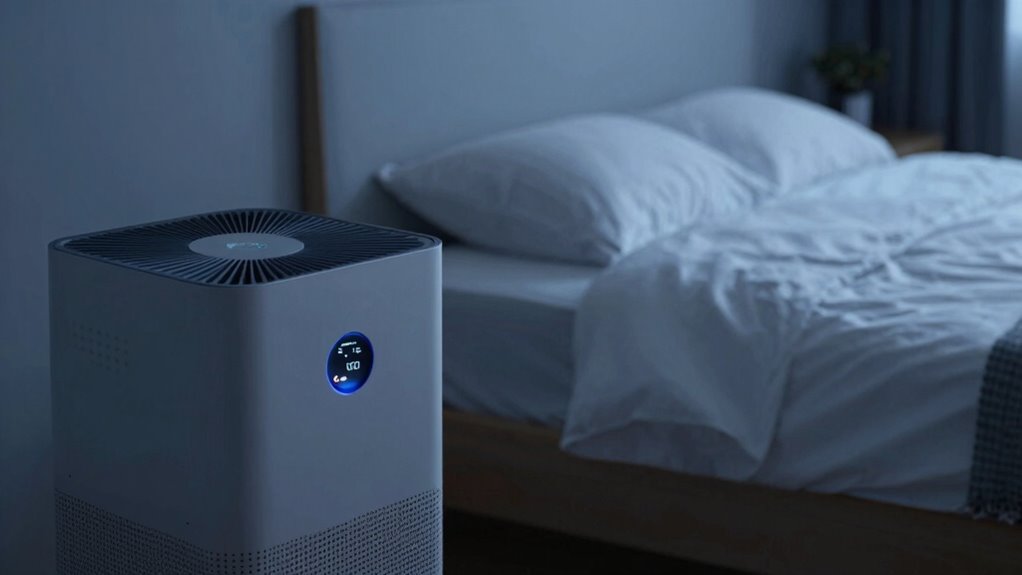

High indoor CO2 in bedrooms can quietly harm your health, sleep, and daily focus more than you realize. As you sleep, CO2 builds up if your room isn’t well-ventilated, leading to headaches, fatigue, and poorer rest. Poor air quality affects your mood and concentration long-term. Simple steps like opening windows or using fans can make a big difference. Keep exploring to discover how you can improve your sleep environment and overall well-being.

Get travel and outdoor gear delivered free with Prime
- Fast, free delivery on millions of items
- Prime Video, Amazon Music and more included
- Member-only deals all year
Key Takeaways
- Elevated CO2 levels in bedrooms can impair sleep quality and cause health issues like headaches and fatigue.
- Poor ventilation leads to CO2 buildup, reducing oxygen intake and affecting overall well-being.
- Regular airflow and air exchange methods are essential to prevent indoor CO2 accumulation.
- Indoor air quality directly influences mood, focus, and long-term health beyond just feeling stuffy.
- Simple measures like opening windows and using air purifiers significantly improve sleep environment and health.
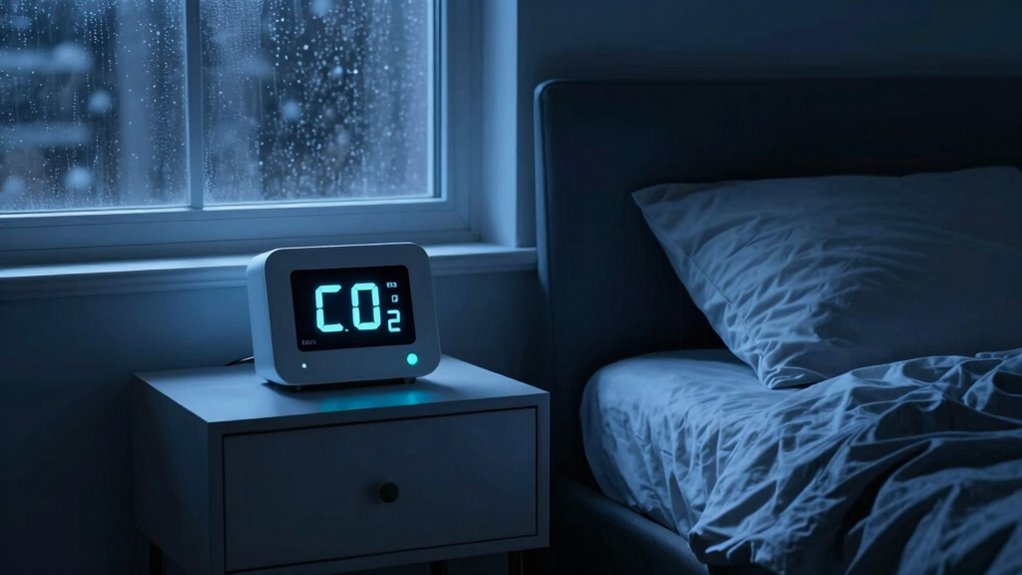
Many people don’t realize that the air in your bedroom can contain elevated levels of carbon dioxide (CO2), especially if the space isn’t well-ventilated. While CO2 might seem harmless at low levels, its presence directly impacts your air quality and, consequently, your sleep quality. When you sleep, your body consumes oxygen and produces CO2, which accumulates in poorly ventilated rooms. Over time, this buildup can lead to higher indoor CO2 concentrations, subtly affecting how well you rest. Additionally, research shows that indoor air quality plays a crucial role in overall health and well-being. Ensuring proper airflow can significantly reduce the risk of CO2 buildup, especially in enclosed spaces.
Poor ventilation can increase indoor CO2 levels, subtly impacting your sleep quality and overall health.
Poor air quality caused by excess CO2 isn’t just about feeling stuffy or uncomfortable. Elevated CO2 levels can impair your body’s ability to get enough oxygen, leading to shallow breathing, headaches, and fatigue during the day. These symptoms are often dismissed as normal or attributed to other factors, but they can stem from the very air you breathe while sleeping. If your room lacks proper ventilation, the CO2 can reach levels that interfere with your body’s natural relaxation, making it harder to fall asleep or stay asleep through the night. Implementing simple ventilation techniques can help maintain healthier CO2 levels and improve overall air quality. Using air exchange methods, such as regular window opening, can also help prevent stagnation and reduce indoor pollutants.
Your sleep quality is intricately linked to the air quality around you. When the air contains too much CO2, your brain receives less oxygen, which can diminish sleep depth and reduce the restorative benefits of rest. Over time, poor sleep quality can impact your mood, concentration, and overall health. You might wake up feeling groggy or find it difficult to concentrate during the day, all because of something as simple as the air in your bedroom. Recognizing the importance of air circulation can help you make better choices to improve your sleep environment. Improving indoor air circulation is also essential for preventing the buildup of CO2 and other indoor pollutants, further supporting your health.
Understanding how CO2 affects your environment emphasizes the importance of proper ventilation. Simple actions like opening windows regularly, using exhaust fans, or investing in air purifiers with CO2 sensors can substantially improve your air quality. These steps help dilute indoor CO2 levels, ensuring you breathe fresher air and promote better sleep. You might also consider adding plants known for their air-purifying qualities, which can help absorb excess CO2 and boost oxygen levels naturally.
In essence, the story of CO2 in bedrooms is bigger than most people think. It’s not just about feeling comfortable; it’s about safeguarding your health and sleep quality. Recognizing the impact of indoor air quality on your nightly rest empowers you to take simple, effective steps toward creating a healthier sleeping environment. After all, better air leads to better sleep—and better sleep leads to a better life.
As an affiliate, we earn on qualifying purchases.
Frequently Asked Questions
How Does CO2 Affect Sleep Quality?
High indoor air CO2 levels can negatively affect your sleep quality by causing sleep disruption. When CO2 builds up in your bedroom, it reduces oxygen intake, making you feel stuffy or tired. This can lead to restless nights, difficulty falling asleep, or waking up frequently. To improve your sleep, guarantee good ventilation, fresh air circulation, and keep indoor CO2 levels low, allowing your body to rest and recover properly.
What Are Safe CO2 Levels for Bedrooms?
You should aim for CO2 levels below 1000 ppm in your bedroom for safe, healthy sleep. Higher levels could disrupt your rest and impact overall health. To achieve this, use effective ventilation strategies like opening windows or running exhaust fans. Incorporate indoor plants, which naturally absorb CO2 and improve air quality. Keeping CO2 levels in check helps you breathe easier and enjoy more restful sleep every night.
Can High CO2 Levels Cause Health Issues?
Yes, high CO2 levels can cause health issues. Elevated indoor air CO2 from pollution sources like poor ventilation or combustion appliances can lead to headaches, dizziness, and fatigue. When CO2 accumulates in your bedroom, it reduces air quality and oxygen intake, making it harder to sleep and focus. To stay safe, guarantee proper ventilation, reduce indoor pollution sources, and monitor CO2 levels regularly.
How Can I Measure CO2 in My Bedroom?
You can measure CO2 in your bedroom using a digital air quality monitor designed for indoor use. These devices are easy to operate and give real-time readings. To improve air quality, employ ventilation strategies like opening windows or using exhaust fans. Regularly monitoring CO2 levels helps you identify when ventilation is needed, ensuring a healthier environment and reducing potential health risks associated with high indoor CO2 concentrations.
What Are Effective Ways to Reduce CO2 Buildup?
You can improve air quality and reduce CO2 buildup by increasing ventilation. Open windows regularly or use exhaust fans to exchange stale indoor air with fresh outdoor air. Consider ventilation techniques like using air purifiers with activated carbon filters or installing an HVAC system with proper airflow. These steps help keep CO2 levels low, ensuring a healthier, more comfortable environment and preventing the negative effects of poor indoor air quality.
Conclusion
You might not realize it, but the air you breathe in your bedroom could be more concentrated with CO2 than you think. In fact, studies show that during sleep, CO2 levels can rise by up to 50% above outdoor levels, making your room’s air quality vital. Next time you sleep, imagine breathing in air with that extra load of CO2—you’ll see why paying attention to ventilation isn’t just a detail, it’s a necessity for your health.
Halloween Picks
halloween
As an affiliate, we earn on qualifying purchases.