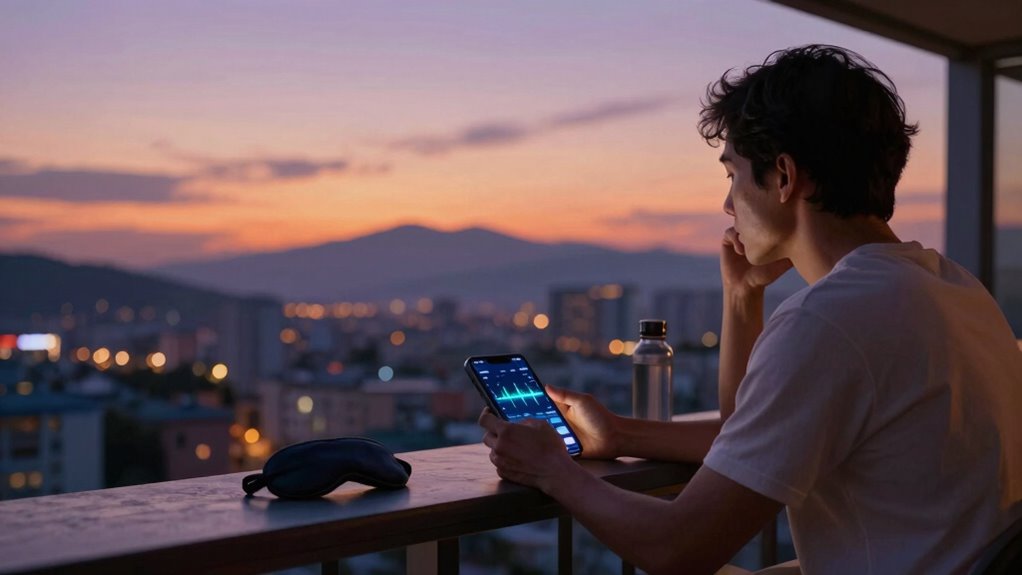

Protecting your circadian rhythm while traveling helps maintain your energy, mood, and overall health. When your internal clock stays in sync with the local light-dark cycle, you’ll experience less jet lag, feel more alert, and recover faster. Strategies like adjusting your schedule, exposure to natural light, and creating a sleep-friendly environment are key. By prioritizing your circadian rhythm, you set yourself up for a smoother trip and better well-being—learn how to optimize your travel experience further.
Get ready for Prime Big Deal Days — try Prime free
Exclusive member deals on October 6–7, plus fast free delivery. Cancel anytime.
As an affiliate, we earn on qualifying purchases.
Key Takeaways
- Maintaining your circadian rhythm reduces jet lag, improving alertness and overall well-being during travel.
- Proper light exposure and sleep hygiene support quicker adaptation to new time zones.
- Protecting your internal clock boosts immune function and mental health while traveling.
- Consistent sleep patterns enhance energy levels, cognitive function, and mood stability.
- Prioritizing circadian rhythm health leads to a safer, more comfortable, and enjoyable travel experience.

When you travel across time zones, your body’s internal clock, known as the circadian rhythm, can become out of sync with the local day-night cycle. This disruption often leads to jet lag, a condition that leaves you feeling exhausted, disoriented, and sometimes even nauseous. To minimize these effects, it’s essential to protect your circadian rhythm by maintaining good sleep hygiene. Sleep hygiene involves habits and routines that promote restful sleep, which is crucial when your body is trying to adjust to new time zones. When your sleep patterns are disrupted, it becomes harder to recover from jet lag, making your travel experience less enjoyable and more exhausting.
One of the best ways to support your circadian rhythm is to plan your travel schedule carefully. If possible, try to arrive during daylight hours, so you can get exposed to natural light, which helps reset your internal clock. Bright light exposure in the morning can advance your circadian rhythm if you’re traveling east, while evening light can delay it if you’re heading west. This strategy helps your body adapt more quickly to the new local time, reducing the severity of jet lag. Additionally, staying hydrated and avoiding alcohol or caffeine during your flight can help you sleep better and maintain more stable sleep hygiene, promoting a smoother transition. Incorporating light exposure strategies can further optimize your adjustment process.
Once you arrive, stick to local meal times and try to sleep when it’s dark outside, even if you’re not feeling sleepy yet. Creating a sleep-friendly environment in your accommodation is vital—keep the room cool, dark, and quiet. Using earplugs and eye masks can block out disturbances that might interfere with your sleep hygiene. Establishing a relaxing bedtime routine, such as reading or listening to calming music, signals to your body that it’s time to wind down, helping you fall asleep faster. If jet lag persists, short naps can provide relief, but be sure not to nap too long or too late in the day, as this can further disrupt your circadian rhythm. Maintaining biodiversity in your environment and surroundings can also contribute to a more calming and natural setting, aiding relaxation and sleep quality. Including natural elements like plants or calming sounds can also enhance sleep quality.
Protecting your circadian rhythm is about more than just avoiding jet lag; it’s about supporting your overall health and well-being during travel. When you prioritize sleep hygiene and smart scheduling, you give your body the best chance to adapt quickly. This not only helps you feel more energized and alert but also safeguards your immune system, mood, and cognitive function. Understanding circadian rhythms and their influence can empower you to make better choices during travel. So, as you plan your next trip, remember that maintaining your internal clock’s harmony is key to enjoying your journey and returning home feeling refreshed and balanced.
As an affiliate, we earn on qualifying purchases.
Frequently Asked Questions
How Quickly Can My Circadian Rhythm Adapt to a New Time Zone?
Your circadian rhythm can start adapting within a few days, typically 1 to 3, depending on your age and health. To speed up this process, try jet lag remedies like exposure to natural light and maintaining a consistent sleep environment. Staying active during the day and avoiding screens before bed can also help your body adjust faster, minimizing fatigue and restoring your internal clock swiftly.
Are There Specific Foods That Help Regulate My Circadian Rhythm While Traveling?
Yes, certain foods can help regulate your circadian rhythm while traveling. Focus on meal timing to align with your destination’s schedule, which supports your internal clock. Incorporate sleep-inducing foods like cherries, almonds, and warm milk before bedtime to promote better sleep. These foods contain melatonin or magnesium, which can help you relax. Eating at regular intervals and choosing calming foods may ease your body’s adjustment to new time zones.
Can Technology Devices Disrupt My Circadian Rhythm During Travel?
Sure, your devices can actually mess with your circadian rhythm during travel. Ironically, your dependence on screens and increased screen time for entertainment or work disrupts sleep patterns, making jet lag worse. The bright light from screens tricks your brain into thinking it’s daytime, delaying melatonin production. So, while you rely on technology, it’s secretly sabotaging your sleep cycle, making it harder to adjust to new time zones.
What Are the Signs of a Disrupted Circadian Rhythm?
You might notice your sleep patterns become irregular, making it hard to fall asleep or wake up at normal times. You could also experience hormonal fluctuations, leading to mood swings, fatigue, or difficulty concentrating. Other signs include feeling groggy during the day, decreased alertness, and overall irritability. These symptoms indicate your circadian rhythm is disrupted, so paying attention to these signals helps you take steps to restore balance and improve your well-being.
Does Age Affect How Easily My Circadian Rhythm Adjusts When Traveling?
Aging dramatically impacts how easily your circadian rhythm adjusts when traveling. As you get older, aging effects weaken your circadian resilience, making jet lag feel like an insurmountable mountain. Your internal clock struggles more to realign, causing exhaustion and disorientation. Younger travelers bounce back quickly, but with age, your circadian rhythm becomes more stubborn. Embracing strategies to protect it is essential to stay energized and in sync no matter your age.
Conclusion
Traveling can disrupt your circadian rhythm, leading to fatigue and decreased alertness. By planning ahead, adjusting your sleep schedule gradually, and staying active, you can minimize these effects. Did you know that just a one-hour shift in your sleep cycle can increase your risk of jet lag by 30%? Protecting your internal clock isn’t just about feeling good — it’s about staying safe and sharp, no matter where your travels take you.
NFL season / tailgating Picks
team gear
As an affiliate, we earn on qualifying purchases.