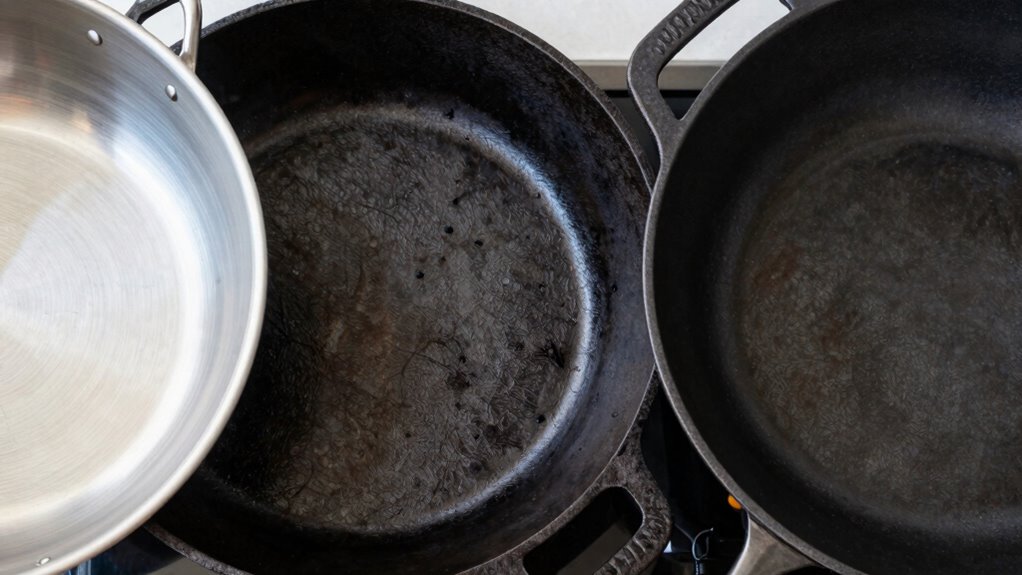
Choosing between stainless steel, carbon steel, and cast iron depends on your cooking style and maintenance preferences. If you want excellent heat retention and durability for high-heat cooking, cast iron is great, but it’s heavy and needs regular seasoning. Carbon steel heats quickly and responds fast, perfect for more control. Stainless steel heats evenly and cleans easily with less upkeep. Continue exploring to see which pan fits your kitchen personality best.
Key Takeaways
- Cast iron offers superior heat retention and even distribution, ideal for searing and frying, but is heavier and requires more maintenance.
- Carbon steel heats quickly, responds fast to temperature changes, and is lighter, making it versatile for various high-heat cooking styles.
- Stainless steel heats evenly and responds rapidly, best suited for sautéing and simmering, with easier cleaning and less maintenance.
- Proper maintenance varies: cast iron and carbon steel need seasoning and careful cleaning, while stainless steel is dishwasher safe and low-maintenance.
- Choose based on your cooking habits: for heavy-duty searing, opt for cast iron; for quick adjustments, consider carbon steel; for ease, select stainless steel.
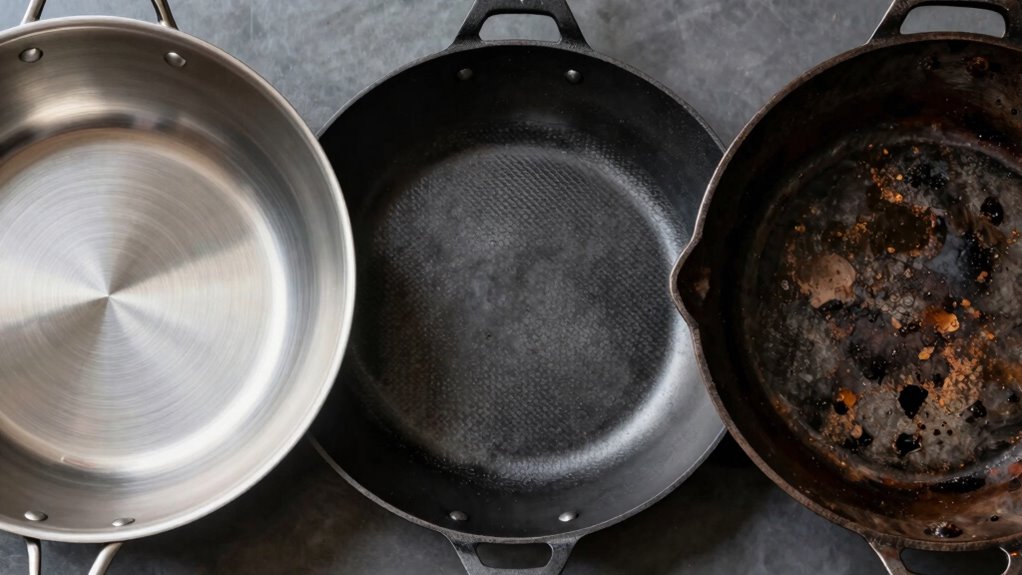
Choosing the right pan can considerably impact your cooking experience, but with so many options available, it’s easy to feel overwhelmed. When deciding between stainless steel, carbon steel, and cast iron, understanding their unique qualities helps you select the best fit for your cooking style. One key factor to consider is pan heat retention. Cast iron excels here, holding heat exceptionally well and distributing it evenly, which makes it perfect for searing steaks or frying foods that need a consistent temperature. Carbon steel also offers good heat retention, though it heats up faster and responds more quickly to temperature changes, giving you more control. Stainless steel, on the other hand, doesn’t retain heat as well as cast iron or carbon steel, but it heats quickly and evenly, making it suitable for tasks that require rapid temperature adjustments. Additionally, the technology behind different materials, such as cladding or layered construction, influences heat distribution and overall performance of the pan.
Cleaning techniques are another crucial aspect to consider, as they influence your pan’s longevity and performance. Cast iron requires special care—avoiding soap, drying immediately, and applying a light coat of oil after cleaning helps maintain its seasoned surface. Its cleaning process involves scrubbing with a brush or non-abrasive pad and avoiding dishwasher use to prevent stripping the seasoning. Carbon steel pans have similar cleaning needs; they benefit from quick hand washing with minimal soap, followed by thorough drying and seasoning to keep the surface non-stick and rust-free. Stainless steel pans are easier to clean; most are dishwasher safe, but hand washing with warm water and gentle scrubbers works well. For stubborn stains or food residues, a baking soda paste or vinegar soak can be effective without damaging the surface.
Your choice also depends on how much maintenance you’re willing to do. Cast iron and carbon steel require regular seasoning to maintain their non-stick qualities and prevent rust, which means a bit of ongoing effort. Stainless steel, in contrast, generally needs less maintenance but might not provide the same non-stick cooking experience. Both cast iron and carbon steel excel at high-heat cooking, making them great for searing and frying, but they’re heavier and require more careful handling. Stainless steel is lighter and responds quickly to temperature changes, ideal for sautéing and simmering. Ultimately, selecting the right pan depends on your cooking habits, how much effort you’re willing to put into cleaning, and the type of dishes you want to prepare. Understanding these differences ensures you choose a pan that fits your personality and elevates your culinary creations.

Lodge Seasoned Cast Iron Skillet – PFAS-Free, Non-Toxic Cookware – Use with an Oven, Stove, Grill, or Campfire – Naturally Non-Stick & Oven Safe – 10.25 Inches
Quality Cast Iron Frying Pan: The Lodge Seasoned Cast Iron Skillet is loved for its great heat retention,…
As an affiliate, we earn on qualifying purchases.
As an affiliate, we earn on qualifying purchases.
Frequently Asked Questions
Which Pan Type Is Best for Induction Cooktops?
For induction cooktops, stainless steel and cast iron pans are your best options because they have induction compatibility. These materials have excellent heat distribution, ensuring even cooking. Carbon steel pans are also suitable, offering quick response to temperature changes. Avoid non-magnetic pans like aluminum unless they have a magnetic base. Your choice depends on how well the pan heats and distributes heat, making stainless steel or cast iron ideal for consistent results.
How Do I Properly Season Each Type of Pan?
To season your pans, start by cleaning them thoroughly. For stainless steel, apply a thin layer of oil and heat until it smokes, then let it cool. For carbon steel and cast iron, coat with oil, bake in the oven at 375°F for an hour, then cool. Regular maintenance tips include re-seasoning as needed, avoiding soap on cast iron, and keeping surfaces dry to prevent rust.
Are There Specific Dishes Best Suited for Each Pan?
You’ll find that each pan suits specific dishes based on their flavor profiles and cooking versatility. Use stainless steel for dishes that benefit from browning and deglazing, like pan sauces or sautéed vegetables. Carbon steel excels with high-heat cooking, perfect for stir-fries or searing meats. Cast iron is ideal for hearty, slow-cooked meals like stews or frying foods, offering rich flavors and excellent heat retention.
What Are the Maintenance Tips for Longevity?
Think of your pan as a trusted ally in the kitchen. To keep it sharp, regularly clean it with warm water and gentle scrubbers—avoid harsh soaps. Season your cast iron or carbon steel pans by applying a thin layer of oil and heating them, creating a natural non-stick surface. For stainless steel, maintain its shine with vinegar and baking soda. Proper pan cleaning and seasoning techniques guarantee your cookware stays resilient and ready for the next culinary adventure.
How Do Different Pans Handle Acidic Foods?
You should know that different pans handle acidic foods differently. Stainless steel resists corrosion and won’t react, making it ideal for acids like tomatoes or citrus. Carbon steel can handle acidity but might develop a patina over time. Cast iron reacts with acidic foods, which can cause rust or flavor changes, so avoid cooking highly acidic dishes in it. Always clean and dry your pans thoroughly after acidic use to prevent corrosion.

Merten & Storck Pre-Seasoned Carbon Steel 12” Frying Pan Skillet, Use on Induction, Stove and Grill, Durable, Even-Heating, for Searing, Grilling, Oven Use, and Campfire, Indoor/Outdoor
NEW YORK MAGAZINE’S The Strategist: Selected as the top budget-friendly carbon steel option, noted for being “a no-nonsense…
As an affiliate, we earn on qualifying purchases.
As an affiliate, we earn on qualifying purchases.
Conclusion
Choosing the right pan depends on understanding your needs, your style, and your cooking rhythm. Stainless offers ease and versatility, carbon steel provides quick heating and durability, while cast iron delivers unmatched heat retention and seasoning potential. Know your preferences, embrace your cooking habits, and select the pan that suits your personality. Because in the end, the perfect pan isn’t just about the material—it’s about how it complements your passion, your routine, and your love for the craft.

Cuisinart 5.5 Quart Sauté Pan w/ Cover, Stainless Steel Pan with Lid, Large Kitchen Pan, Dishwasher Safe, Compatible with Induction, Electric, Gas Cooktops, Oven Safe Saucepan, Cool Grip Handles
EXCEPTIONAL DESIGN: The 5.5-Quart Saute Pan with Helper Handle and Flavor Lock Lid has straight high sides and…
As an affiliate, we earn on qualifying purchases.
As an affiliate, we earn on qualifying purchases.
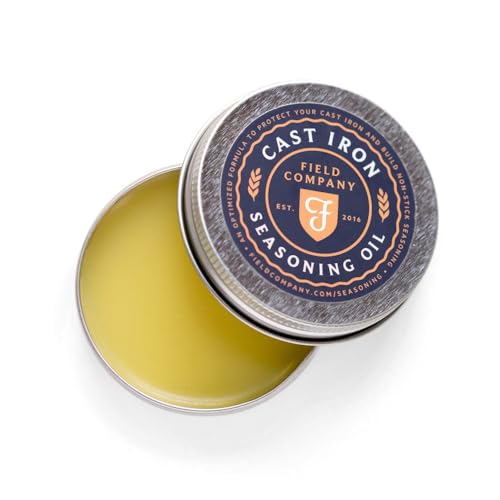
Cast Iron Seasoning Oil – Organic Grapeseed, Sunflower & Beeswax Blend for Conditioning & Restoring Cookware by Field Company
HOW TO USE: The key to naturally nonstick cast iron cookware? Cook often, and apply Seasoning Oil every…
As an affiliate, we earn on qualifying purchases.
As an affiliate, we earn on qualifying purchases.